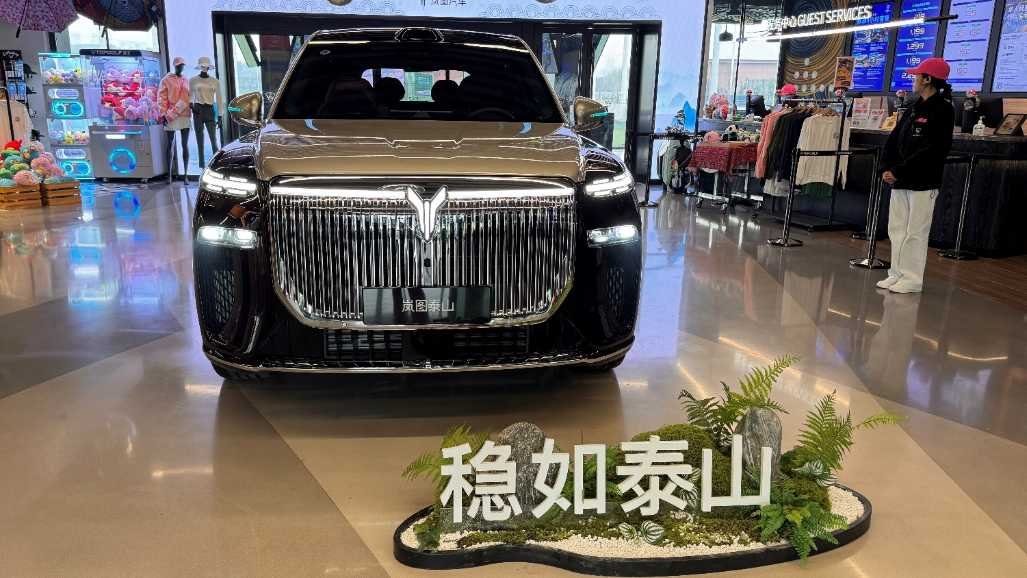
After a long period of market anticipation, Voyah Taishan finally officially entered the market in December with a price range of 379,900 to 509,900 yuan. Rather than calling it a new car, it is more like a "value bomb" that Voyah has dropped on the market. With a top-tier equipment list, it attempts to redefine the competitive rules of the 400,000-yuan-class luxury SUV.
However, once the initial price surprise fades, more rational market evaluations begin to emerge. Is this car a well-rounded "hexagonal warrior," or a "specialist" that makes trade-offs? Through a multidimensional analysis, we try to present a more three-dimensional Voyah Taishan.
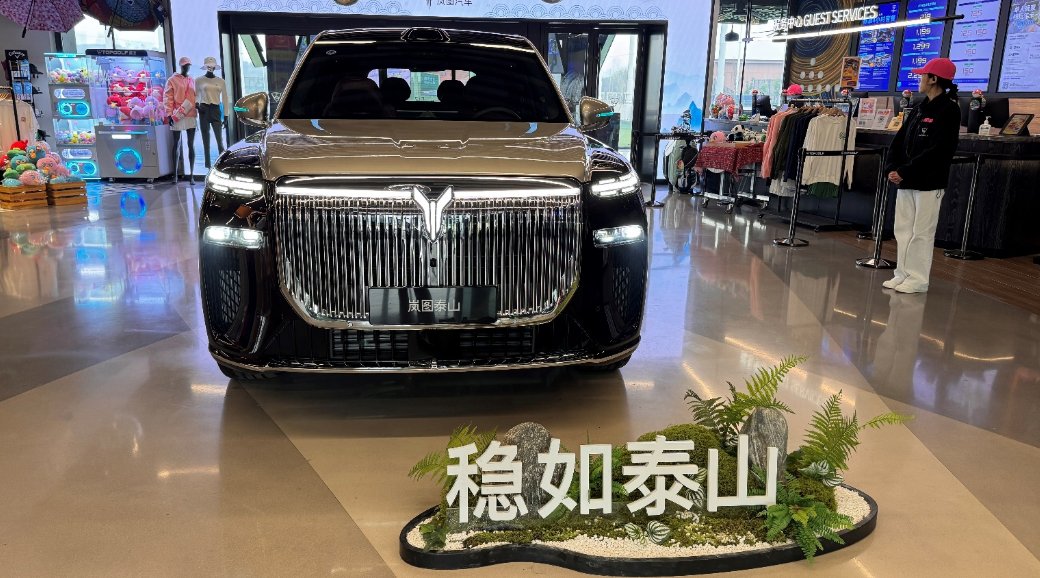
I. Product Positioning: Clear Technology Popularization
The product logic of Voyah Taishan is very clear: by making high-end technology "universally" standard, it creates a hardware value threshold that is difficult to surpass.
Dual-track "upgrading" of chassis and intelligent driving:
Three-chamber air suspension + CDC across the entire lineup: This combination used to be exclusive to million-yuan luxury cars. Taishan makes it the starting point for the entire lineup, meaning that even the entry-level version has top-tier potential for vibration filtering and body control.
Huawei high-level intelligent driving hardware across the entire lineup: Laser radar is standard, supporting the Qiankun ADS system. This is not only leading in configuration, but also shows that Taishan treats "intelligence" as a core foundation rather than a high-trim decoration.
Clear target: This move directly attracts rational tech-oriented consumers who value mechanical quality and the underlying hardware of intelligent systems, and who have extreme requirements for "cost-effectiveness."
II. Core Highlights: Perceivable Scenario Innovation
Beyond hardcore parameters, Taishan converts technology into value that users can intuitively experience through two innovations.
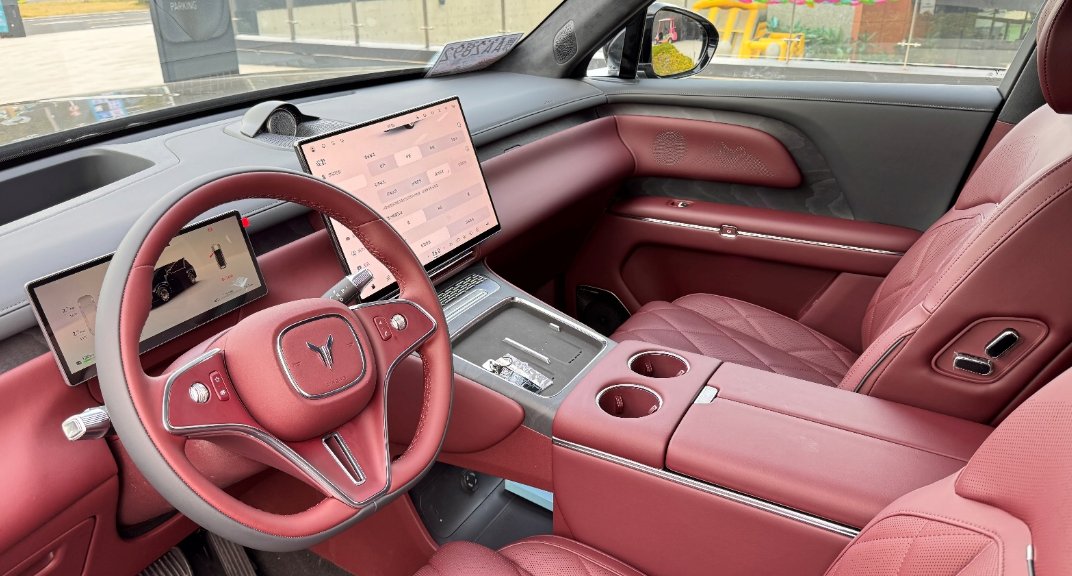
Space reconfiguration capability:
Lateral social space: The left-right sliding function of the second-row seats creates a rare "large four-seat" mode in the same class, improving communication convenience inside the cabin.
Scenario expansion capability: The one-touch bed function extends the vehicle's usage scenarios from travel to rest, precisely targeting pain points such as family camping and long-distance naps.
Active intelligence of the seats:
The AI Yunshu seats with built-in sensors can dynamically adjust support. Its "zero-gravity mode," co-created with a medical team, elevates comfort from the level of "feeling" to the level of "scientific health," forming a differentiated selling point.
III. Controversy and Compromise: The Unavoidable Other Side of the Product
Behind the promise of high value are clear product trade-offs, which also constitute the main current market controversy.
The contradiction between space and function:
In order to integrate ventilation, heating, and massage functions into the seats throughout the vehicle, the seat structure has to be made thicker, which objectively encroaches on part of the cabin's longitudinal space. The legroom and footroom in the third row are more suitable for emergency use when adults travel long distances.
The "sweetness and burden" of the configuration strategy:
Key experience functions such as "rear-wheel steering" (significantly improving flexibility) and "zero-gravity seats" are only standard on mid- and high-trim models. This means that users pursuing a complete experience will actually face a purchase threshold rising above 400,000 yuan, creating a psychological gap with the impression of "starting at 379,900 yuan."
A long-term issue of brand perception:
Against the backdrop of AITO (strong intelligent driving label) and Li Auto (strong family scenario) already occupying users' minds, Voyah Taishan needs to answer: apart from "high configuration," what is its unique brand spirit and user identity? This will be the key to its move from "parameter leadership" to "brand leadership."
IV. Target User Profile: Who Exactly Is It Suitable For?
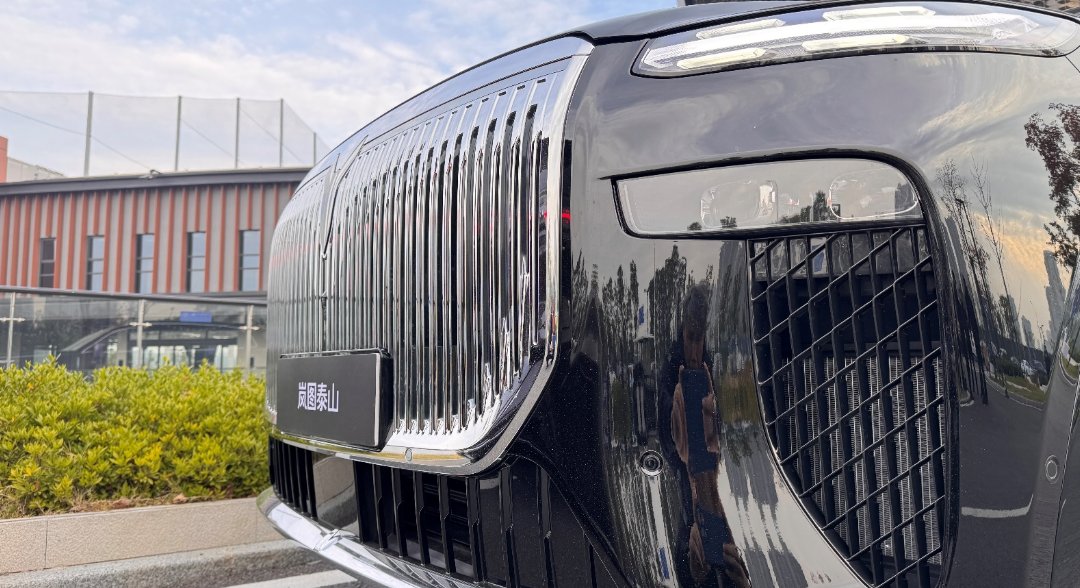
Overall, Voyah Taishan is not all-around, but a precise product built for a specific group of people.
Highly matching users:
Technology-value prioritizers: Those who place extreme importance on the "gold content" of hardware such as three-chamber air suspension and laser radar, and regard it as the cornerstone of vehicle value.
Users with flexible scenario needs: Those who frequently switch between business and family use, and have high-frequency demand for seat changes and health and comfort functions.
Users who may need to hesitate:
Families with a hard requirement for third-row space: If they need to seat 6-7 people frequently and comfortably, an MPV or some SUVs with more extreme space performance may be a safer choice.
Those with a strict budget cap: If the budget is strictly limited to within 400,000 yuan, they may feel regret because they cannot get core experiences such as rear-wheel steering.
V. Summary: A Powerful "Breakthrough Maker"
The real significance of Voyah Taishan lies in the fact that it uses an aggressive "value anchoring" strategy to forcibly raise the competitive benchmark of 400,000-yuan-class SUVs. It may not have achieved perfection in every single category, but the "hardware ceiling" and unique scenario flexibility it provides have indeed brought a long-lost sense of freshness and pressure to the market.
Its appearance gives consumers one more choice that was previously hard to imagine: at the 400,000-yuan price point, one can obtain the core chassis configuration and top-tier intelligent driving hardware of previous million-yuan luxury cars. From this perspective, regardless of final market sales, Voyah Taishan has already successfully played the role of "breakthrough maker" and "value benchmark," forcing the entire track to rethink what "luxury" and "sincerity" mean.
In the end, the choice becomes simple: if you agree with the value of technology popularization and favor flexible spatial scenarios, then Taishan is a unique option; if you have extreme requirements for a single dimension (such as absolute space), then the market still provides other focused answers. In this competition, the ultimate winner will be consumers with more choices.


