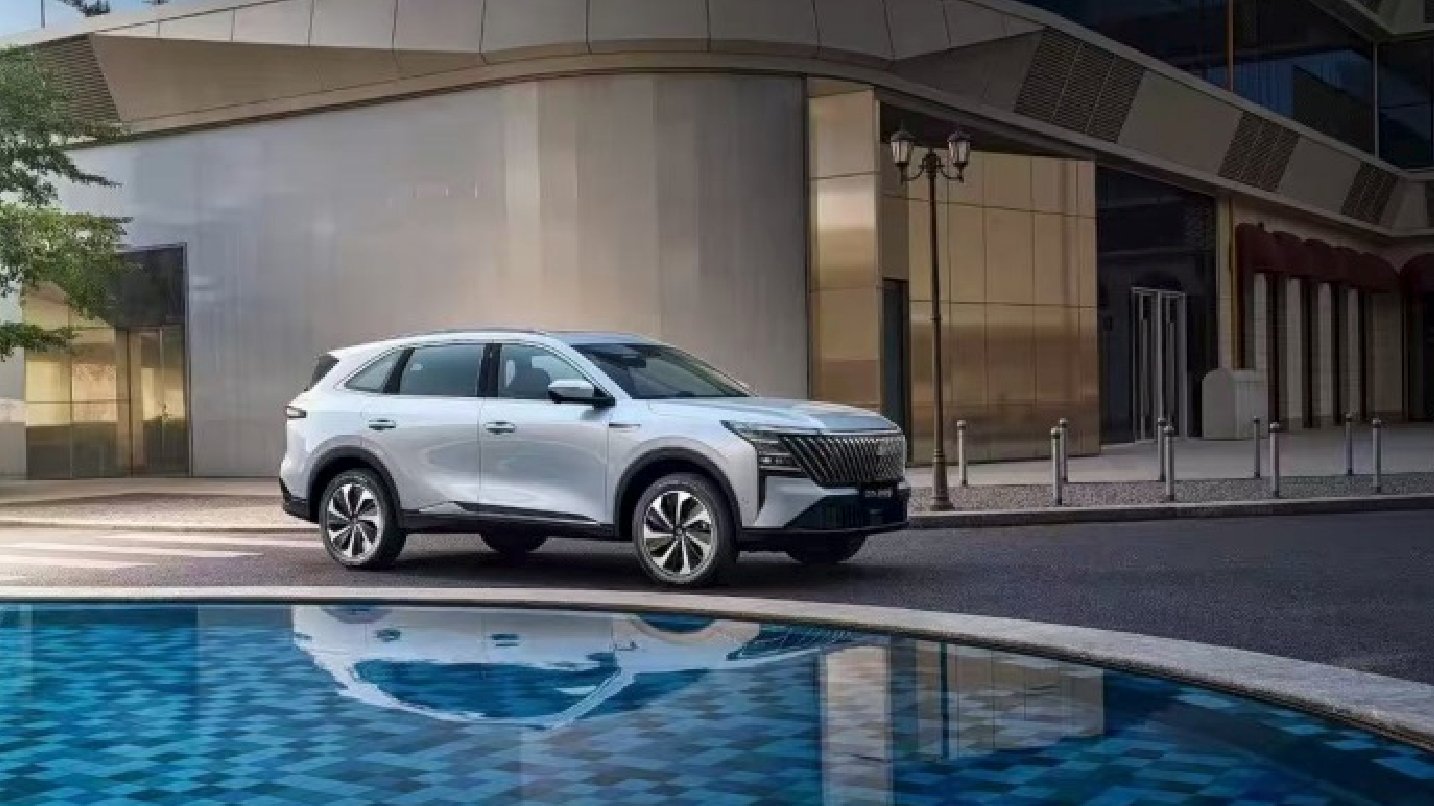
“Changan’s hybrid system—is 2.98 liters of fuel per 100 km actually real?”
Lately, my inbox has been absolutely flooded with this question. To be honest, I’ve been in this industry for over a decade—what haven’t I seen? Plenty of cars look phenomenal in PowerPoint presentations and then reveal their true colors the moment they hit the road.
So every time a new car comes out with fuel consumption figures, my attitude is always the same: wait for real-world testing and let the bullet fly for a while. But this time, with Changan’s Blue Core Super Hybrid, after the real-world tests came out, I actually found myself a bit unsettled—not because it flopped, but because it performed brutally well.
Real-world test data
Since the technology was unveiled on March 30, the hybrid versions of the fourth-generation Eado and CS75 PLUS have been put through the wringer by the media over and over again.
The results were remarkably consistent: blue-plate sedan city testing: around 2.98L; blue-plate SUV city testing: around 3.98L—basically matching the official claims, no exaggeration.
But what’s even more absurd is that—under specific road conditions, some media outlets actually achieved 1.6L/100km.
What does 1.6L even mean? At current 92-octane gas prices, driving 100 kilometers costs only about a dozen yuan in fuel—cheaper than taking the subway. What does this show? The numbers Changan gives aren’t ideal “showcase” figures from a lab—they’re results you can actually achieve on the road.
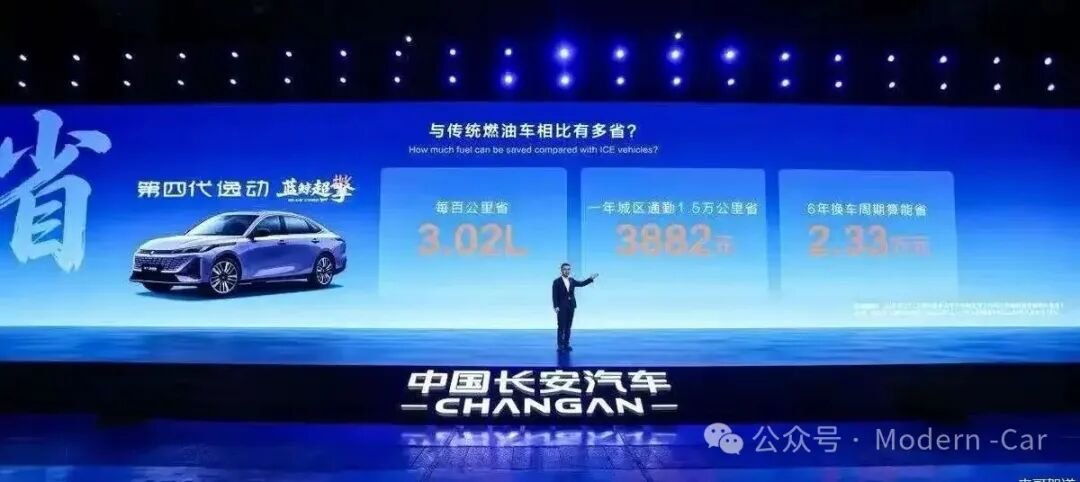
For ordinary folks like us, that’s the hard metric worth looking at before spending money. Don’t be fooled by flashy ads—real-world testing is king.
Technology breakdown
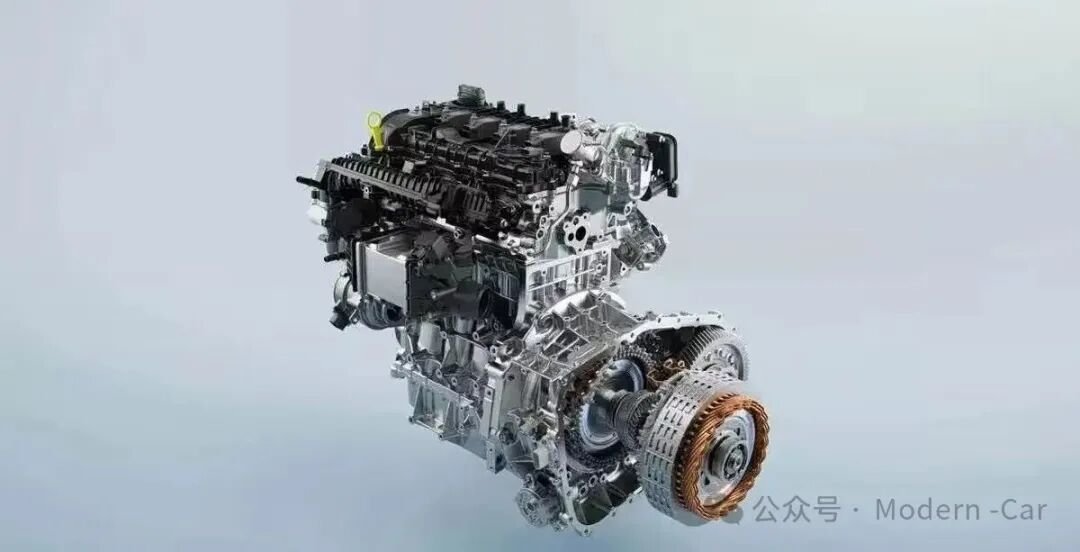
Why is it so fuel-efficient? First big gun: 500Bar ultra-high-pressure direct injection. Many hybrids save fuel by “blowing hot air”—Blue Core Super Hybrid relies on pressure. First, a quick primer: Bar is a unit of pressure.
Typical engine injection pressure: 200-350Bar. Blue Core Super Hybrid: 500Bar. What’s the difference? Regular injection ≈ a watering can, with big droplets and uneven spray; 500Bar ≈ a high-pressure atomizer, breaking fuel into micron-level mist.
The finer the mist, the more evenly it mixes with air, and the more thoroughly it burns. Every drop of fuel is “squeezed dry”—it’d be hard not to save fuel. The first step to saving fuel is burning it cleanly. This system achieves that.
Next up is thermal efficiency: it doesn’t compete for “peak momentary performance”—it competes for “full-range high output.” Many automakers love to tout “peak thermal efficiency,” casually throwing out figures above 40%—sounds impressive.
But here’s the catch: that number is often a fleeting moment at a specific RPM and load. In your daily driving with all the stop-and-go, you’ll never hit that point.
This time, Blue Core Super Hybrid gave three more practical figures: peak thermal efficiency: nearly 45%; average efficiency across operating conditions: 40.9%; high-efficiency zone proportion: 56.3%.

In plain terms: whether you’re crawling through city traffic, cruising on the highway, or occasionally overtaking, this engine is in fuel-saving mode most of the time. It’s like an athlete who isn’t just good at sprinting 100 meters—they can maintain a high pace through an entire marathon. That’s real capability.
Smart assistance
There’s also a “hidden veteran driver” helping you save fuel. No matter how strong the hardware is, it needs a smart brain to command it. Blue Core Super Hybrid is equipped with an AI cloud intelligent control system. Simply put, every car gets an experienced veteran driver who watches the road conditions for you and saves fuel on your behalf.

It has three major tricks: predicting road conditions and saving fuel in advance. The AI analyzes terrain, road conditions, and traffic congestion in real time. For example, if it detects a traffic jam ahead, the system proactively lets the engine charge efficiently in advance, and once you enter the congested section, it switches to pure electric crawling. This one feature alone reduces overall fuel consumption by another 5%-10%.
The system selects the most suitable one for you from hundreds of modes. Tailored to each individual, it adapts more and more to your driving style over time. Combined with active noise cancellation and seamless start-stop, you can barely feel any vibration when the engine starts. Quiet and smooth—unlike some hybrids that save fuel but are unpleasant to drive.
Conclusion
A car’s worth is proven on the road, not in talking points. This time, Changan’s Blue Core Super Hybrid has proven one thing with real, no-holds-barred testing: low fuel consumption isn’t a numbers game in a lab—it’s 500Bar direct injection + 45% thermal efficiency + AI cloud intelligent control, painstakingly squeezed out bit by bit.
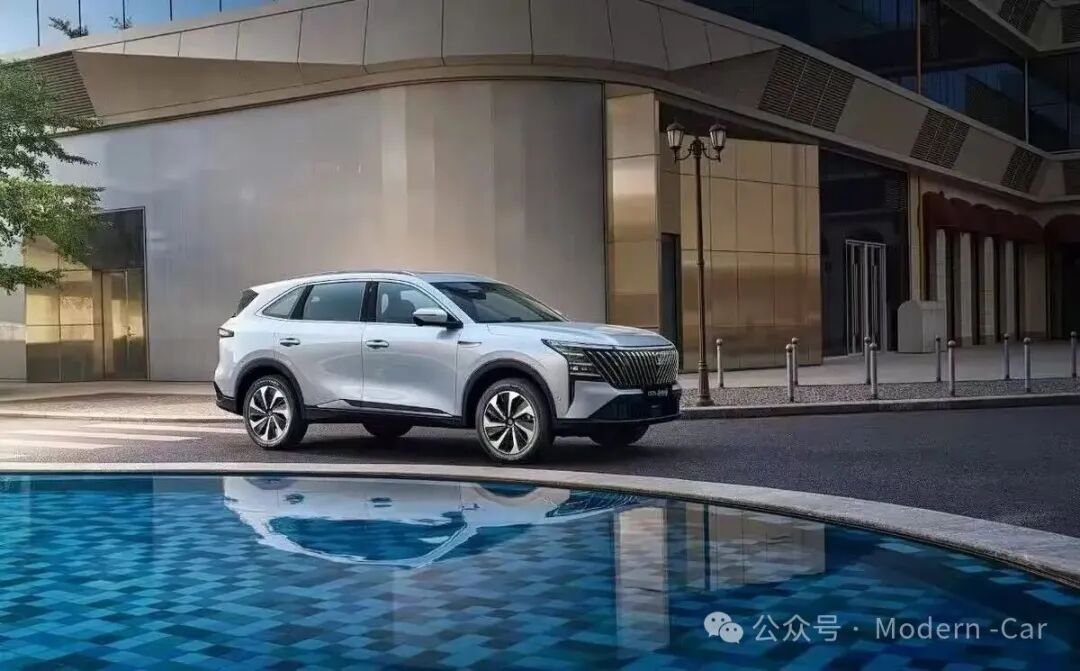
If you’ve been looking at hybrids lately, this system deserves your extra confidence and peace of mind. After all, the fuel money you save is as real as it gets.


