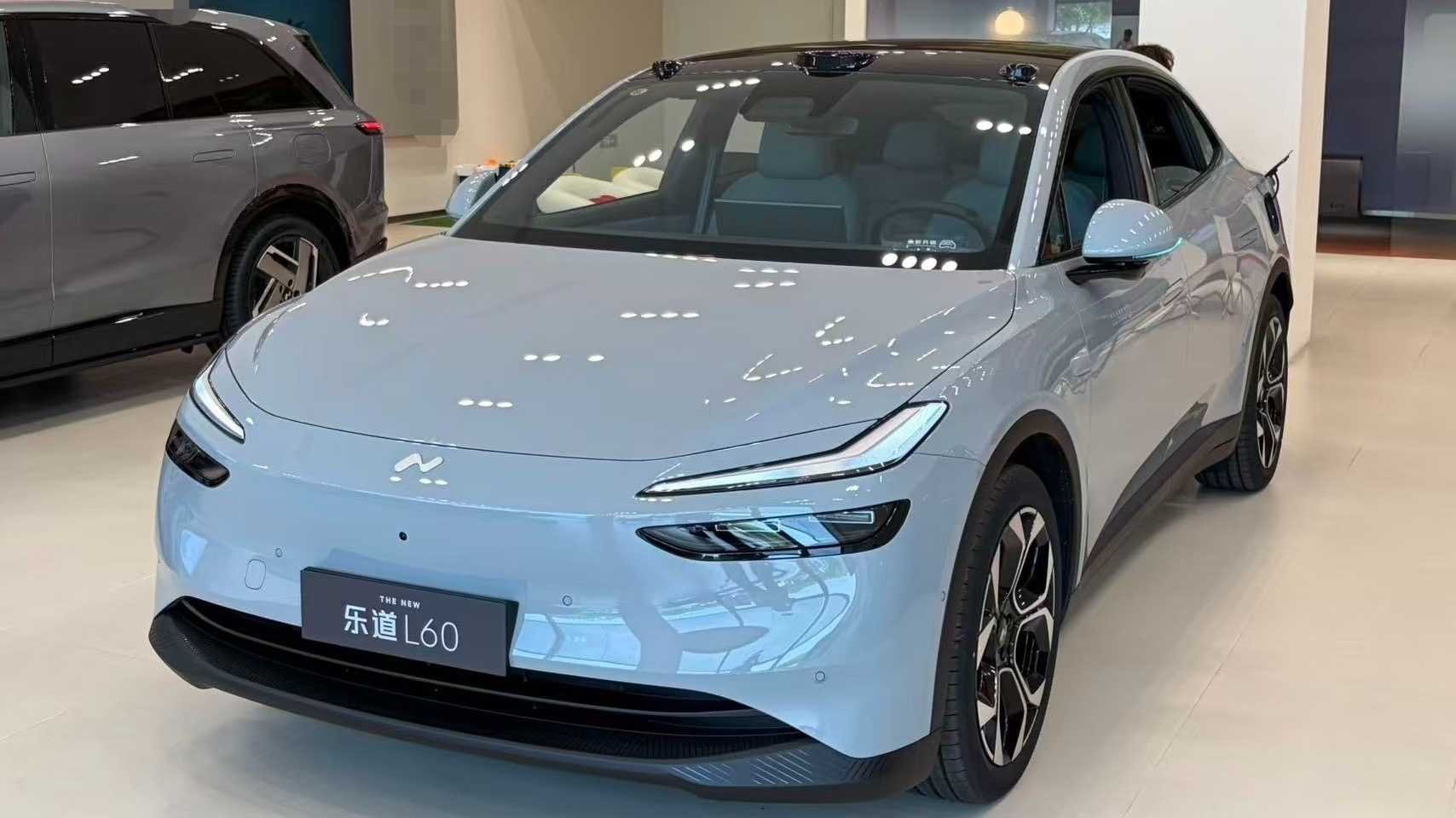
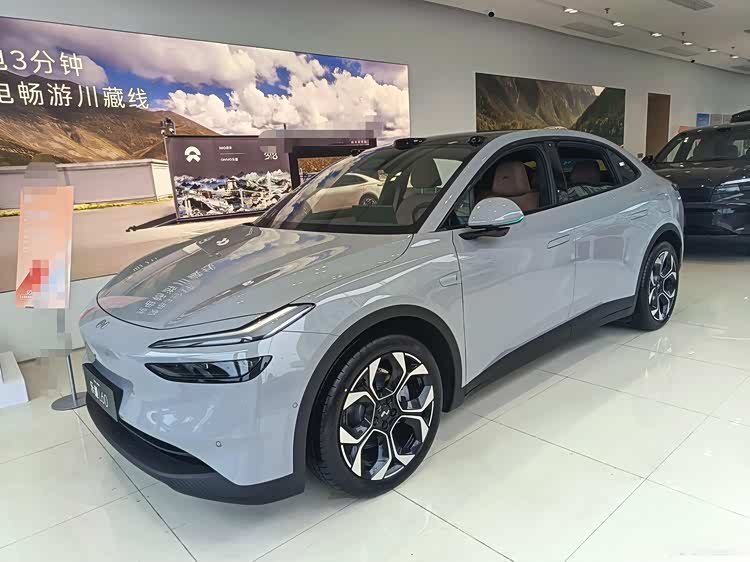
Brothers, on October 8, Onvo officially announced a set of data: from the delivery of the first L60 in 2024 to now, cumulative deliveries have surpassed 200,000 units, with an average transaction price of 234,000 yuan.
Once this average price came out, I noticed something interesting—the battery rental plan starts at only 135,800 yuan for the body, but the average price reached 234,000 yuan, which shows most people didn't choose battery rental at all, but instead bought the whole vehicle outright.
This is interesting. The battery rental plan starts at just over 130,000 yuan, so why are people still paying over 200,000 to buy outright? Today I'll crunch the numbers clearly, and also talk about how to choose among the 3 configurations of the 2026 model without wasting money.
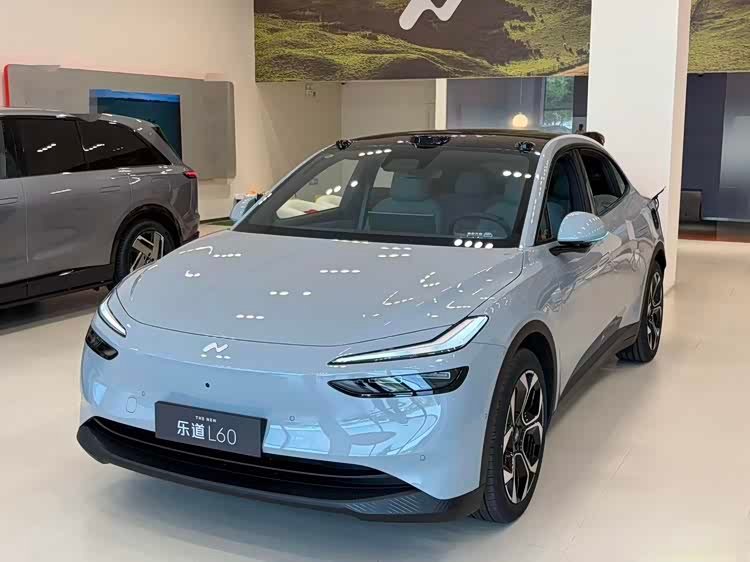
An average price of 234,000 yuan shows most people chose to buy outright
First, look at the data. Onvo currently sells 8 versions, with guide prices from 192,800 to 255,900 yuan. The 2026 model comes standard with a 60 kWh battery from the factory, and the 85 kWh long-range battery requires an optional 29,000 yuan upgrade. If most people chose battery rental, the average price should fluctuate around 150,000 yuan. But the actual average transaction price is 234,000 yuan, which shows many users not only chose to buy outright, but also optioned the 85 kWh battery or chose mid-to-high trims.
In other words, most users made their move after understanding things clearly—they weren't drawn in by "cheapness," but by "just enough."
I went through a lot of real owner feedback and found a common point: most people who chose to buy outright had thought one thing through—a car is meant to be driven long term, not swapped out after two years. Since they plan to drive it for more than five years, they might as well get it done in one step and avoid paying rent every month later.
There's another detail: the value retention report released in September this year showed that the L60 has a one-year value retention rate of 74.4%, ranking among the top in mid-size SUVs, regardless of energy type or price segment. This level of value retention is solid protection for buyers who purchase outright.
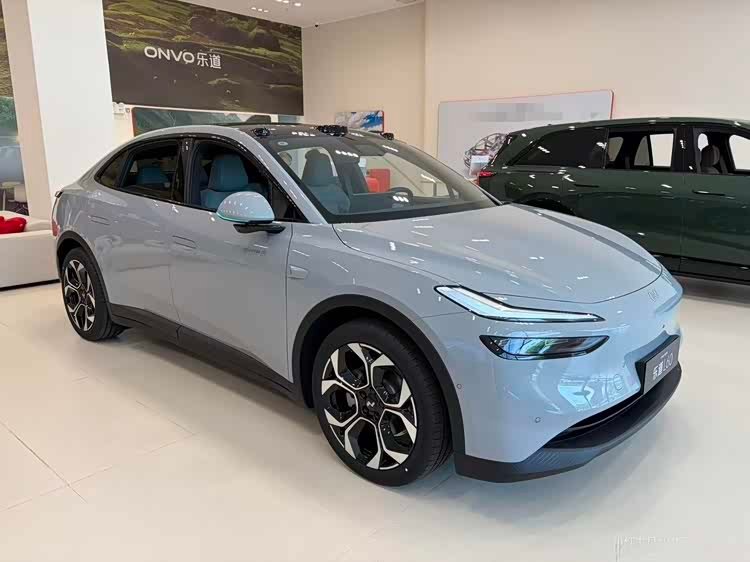
Buying outright vs. battery rental, which is actually more cost-effective?
This question has been argued about endlessly in the comments, so today I'll lay out the numbers.
First, the advantages of buying outright:
The 2026 Pro version costs 192,800 yuan for the whole vehicle, and 221,800 yuan after optioning the 85 kWh battery, both prices including the battery. After buying outright, the battery is yours, so you don't need to worry about future rent changes, and transferring ownership is also more convenient.
Let's do a simple calculation: taking the 60 kWh battery as an example, the battery rental plan charges 599 yuan per month for battery service, which comes to 7,188 yuan a year. Over 8 years, the service fee alone is 57,500 yuan. Add the 135,800 yuan body price, and the total cost is about 193,000 yuan. The outright purchase Pro version is 192,800 yuan—so by around the eighth year, the total cost of battery rental catches up with buying outright. The 85 kWh battery rents for 899 yuan per month, 10,788 yuan a year, and similarly catches up around the eighth year.
So the conclusion is very clear: if you plan to drive long term and not change cars for more than eight years, buying outright is more cost-effective.
Then who is battery rental suitable for?
Two types of people can consider it.
The first type is those whose budget is relatively tight but who want to get the car earlier. The battery rental plan body is 135,800 yuan, insurance is about five thousand, and you can drive it away for less than 150,000 yuan on the road. For young people who have just started working and have a fairly strict budget, the pressure is indeed much lower.
The second type is those who haven't decided how long to keep it and may change cars in three to five years. With the battery rental version, the body and battery are accounted for as separate assets, and you don't need to worry about battery degradation. When you want to change cars, you just return the car and walk away, without having to consider depreciation on a used battery.
There's also a special scenario: users in cities with very high battery swap station density. For example, in cities like Hangzhou and Shanghai where NIO's battery swap network is dense, swapping batteries on the way during daily commuting is very convenient, battery degradation is fully covered by the system, and the battery rental experience will be relatively good.
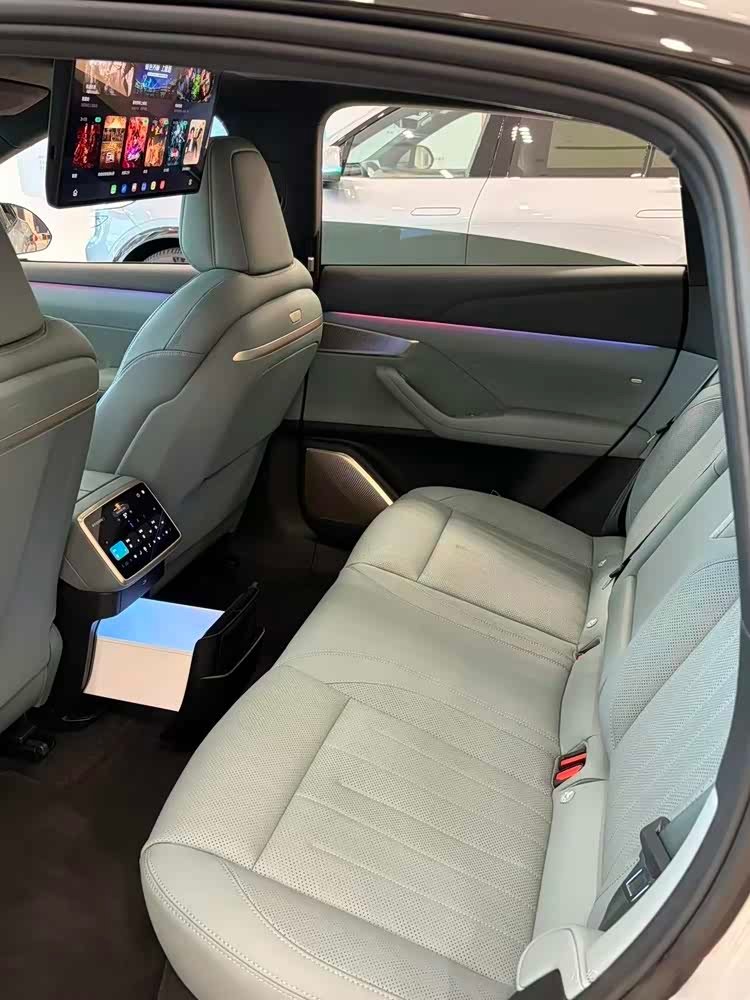
To sum it up in one sentence:
Plan to drive long term and not change cars for more than eight years → buy outright
Tight budget or may change cars within eight years → battery rental
High urban battery swap station density and mainly daily commuting → battery rental experience is also good
No home charging and often drive long distances → 85 kWh buyout is more worry-free
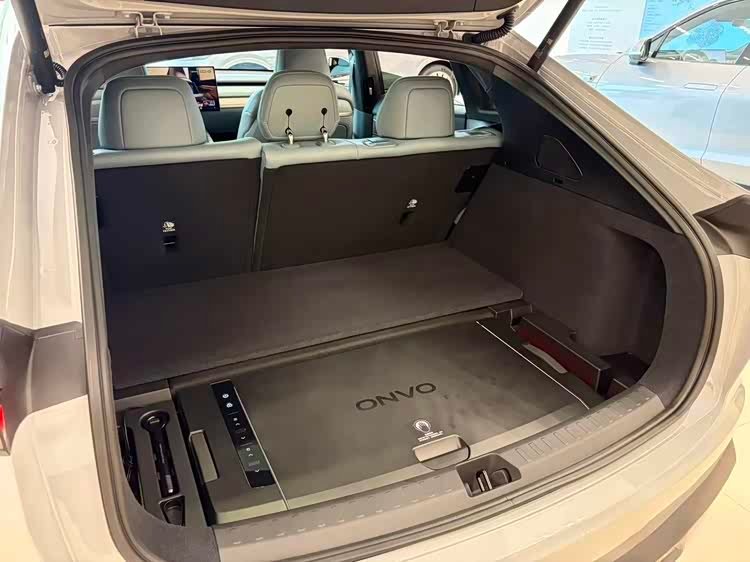
How to choose among the 3 configurations of the 2026 model?
There are currently 8 versions on sale, and the 2025 model is still being sold. But to be honest, the 2026 model comprehensively upgraded the assisted driving chip and the whole vehicle system. Unless the discounts on the 2025 model are especially large, I suggest looking directly at the 2026 model.
The 2026 model has 3 configurations: Pro, Max+, and Ultra+, all with a 60 kWh battery as standard from the factory, with CLTC range up to 560 km. The 85 kWh long-range version requires an optional 29,000 yuan upgrade, raising CLTC range to more than 700 km. The core differences lie in assisted driving hardware and drive type. Below I'll help you sort it out by budget.
Budget around 190,000 → 60 kWh Pro (192,800 yuan)
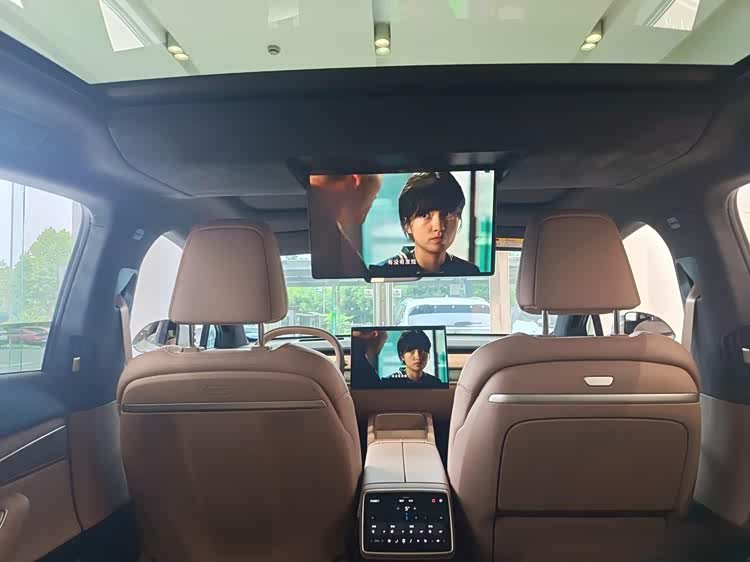
The Pro version's basic configuration is already quite complete: full-domain 900V high-voltage architecture, battery swap, seat ventilation heating and massage, front passenger leg rest, and rear entertainment screen reserved interface are all included. For daily urban commuting, picking up kids, and weekend trips nearby, this set of features is completely sufficient.
However, the Pro version does not have lidar, so it is one tier lower in assisted driving hardware. If you don't have particularly high requirements for assisted driving and mainly drive yourself every day, the Pro version's cost-effectiveness is very prominent.
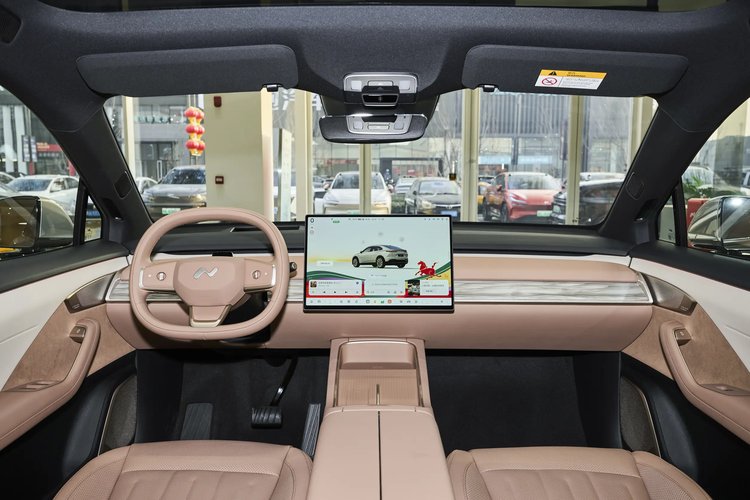
Budget around 200,000 → 60 kWh Max+ (202,800 yuan, recommended for extra attention)
Spending 10,000 yuan more than the Pro gets you the Shenji NX9031 chip + lidar. This hardware set is the same as that of the NIO ES9, a 5nm automotive-grade chip, and combined with NIO World Model NWM, the experience of highway assisted driving and urban assisted driving will be noticeably improved compared with the Pro version.
Is this 10,000 yuan worth it? From a long-term use perspective, it is very worth it. Assisted driving functions will continue to be upgraded through OTA later. With this hardware in hand, you can enjoy new features in the coming years. If your budget isn't especially tight, the Max+ version is the one more worth considering among the 2026 models.
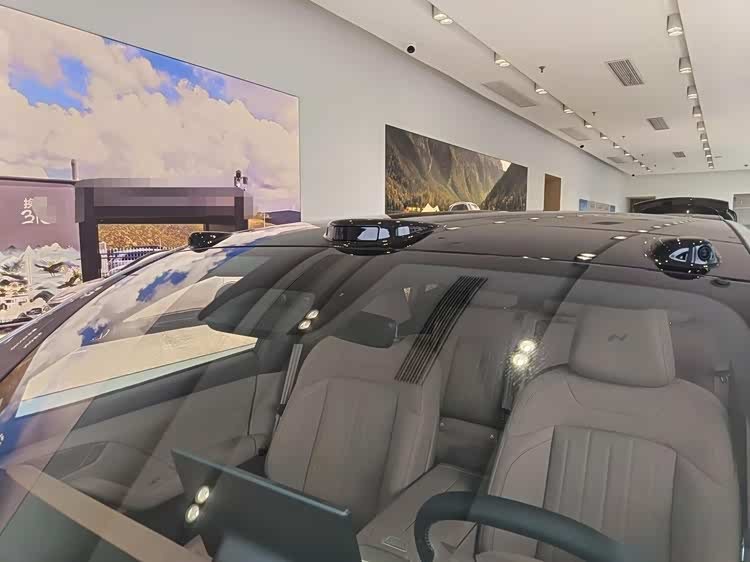
Budget around 220,000 → Pro version with optional 85 kWh battery (221,800 yuan)
Users with no home charging and who often drive long distances should look at this. After optioning the 85 kWh battery, CLTC range can reach 740 km, and with a 3-minute battery swap to full charge, you don't have to stare at charging piles and wait in line during holiday highway travel. It costs 20,000 yuan more than the Max+, but what you get in return is 200 km of range and freedom in energy replenishment.
For users who go back to their hometown for Chinese New Year with a one-way trip of five or six hundred kilometers, the confidence of the 85 kWh version is indeed different. Usually in the city, 60 kWh is enough. For long trips, you can just go to a battery swap station and swap in an 85 kWh large battery, spending a few dozen yuan more a day, which saves tens of thousands compared with buying the 85 kWh version outright.
Northern users or those pursuing driving quality → Ultra+ version with optional 85 kWh battery (251,800 yuan)
Four-wheel drive version + 85 kWh battery, CLTC range 700 km, more stable in winter snow and rainy slippery roads. But to be honest, southern urban users don't really need four-wheel drive in daily use, and it costs tens of thousands more, so the cost-effectiveness is average. Northern users or those who pursue driving quality can consider it.
Quick answers to a few common questions
How to choose between 60 kWh and 85 kWh?
It depends on your charging conditions. With home charging and mainly urban commuting → the standard 60 kWh is enough, CLTC range 555 km, actually over four hundred kilometers in the city, charging once a week is fine. No home charging and often long-distance driving → spending 29,000 yuan to option the 85 kWh is more worry-free, with 730 km range plus the battery swap network, basically no need to worry about energy replenishment.
What did the 2026 model upgrade compared with the 2025 model?
Mainly a comprehensive upgrade of assisted driving hardware, equipped with the same Shenji NX9031 chip as the NIO ES9, the World Model NWM, and the full-domain vehicle operating system Sky OS·Tianshu. Simply put, it's smarter, better to drive, and has more room for subsequent OTA upgrades.
Is Onvo battery swapping convenient?
As of now, NIO has more than 9,500 charging and battery swap stations nationwide, covering 9 vertical and 11 horizontal routes and 16 major city clusters, connecting more than 550 cities. Battery swap density is very high in first- and second-tier cities, and third- and fourth-tier cities are also being continuously covered. Before buying, you can check in the App whether there are battery swap stations along the routes you often take.
Final thoughts
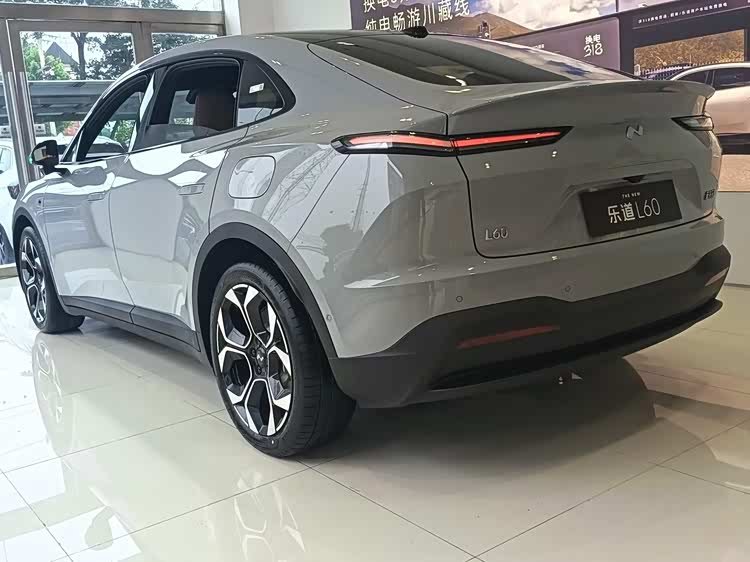
200,000 deliveries and an average price of 234,000 yuan show that most Onvo L60 users were not drawn in by a low price, but placed their orders after clearly understanding what they needed.
There is no absolute standard answer when buying a car. The key is to think clearly about your own usage scenario: how long you'll keep it, how far you'll drive, whether you have home charging, and whether assisted driving is a must-have—once you think these questions through, you won't regret whichever version you choose.
Brothers, if it were you, for just over 200,000, would you choose to buy the L60 outright or rent the battery? Is the Pro enough or would you go straight to Max+? Would you option the 85 kWh large battery? Those who have already taken delivery, come talk about which version you finally chose and whether there's anything you wanted to change after choosing. Let's chat in the comments.


