On March 19, the new-generation Xiaomi SU7 was officially launched, offering three models—Standard, Pro, and Max—priced at 219,900 yuan, 249,900 yuan, and 303,900 yuan respectively. After orders opened that evening, official information showed that locked orders for the new car surpassed 15,000 units within 34 minutes of launch. One number cannot explain everything, but it can at least explain one thing: in an era with abundant choices and scarce emotion, there are still many people willing to make a quick decision for a car.
But what truly makes a car worth discussing has never been just the price, nor the number of locked orders. Price answers "can I afford it," and sales answer "are others buying it," but the ultimate significance a car leaves behind often depends on a third question: what anxiety of the people of this era is it actually solving.
People today buy cars long since not merely for transportation. The transportation problem can be solved by products costing over a hundred thousand yuan or even less. What people truly want is a more complete sense of certainty: not being disturbed during the commute, not being held hostage by range on long trips, not being tense with fear under complex road conditions, and having the car understand you when you are tired rather than adding to your burden. From this perspective, the upgrades of the new-generation SU7 are not simply "adding features," but an attempt to answer a deeper question: should technological progress make people more excited, or more at ease.
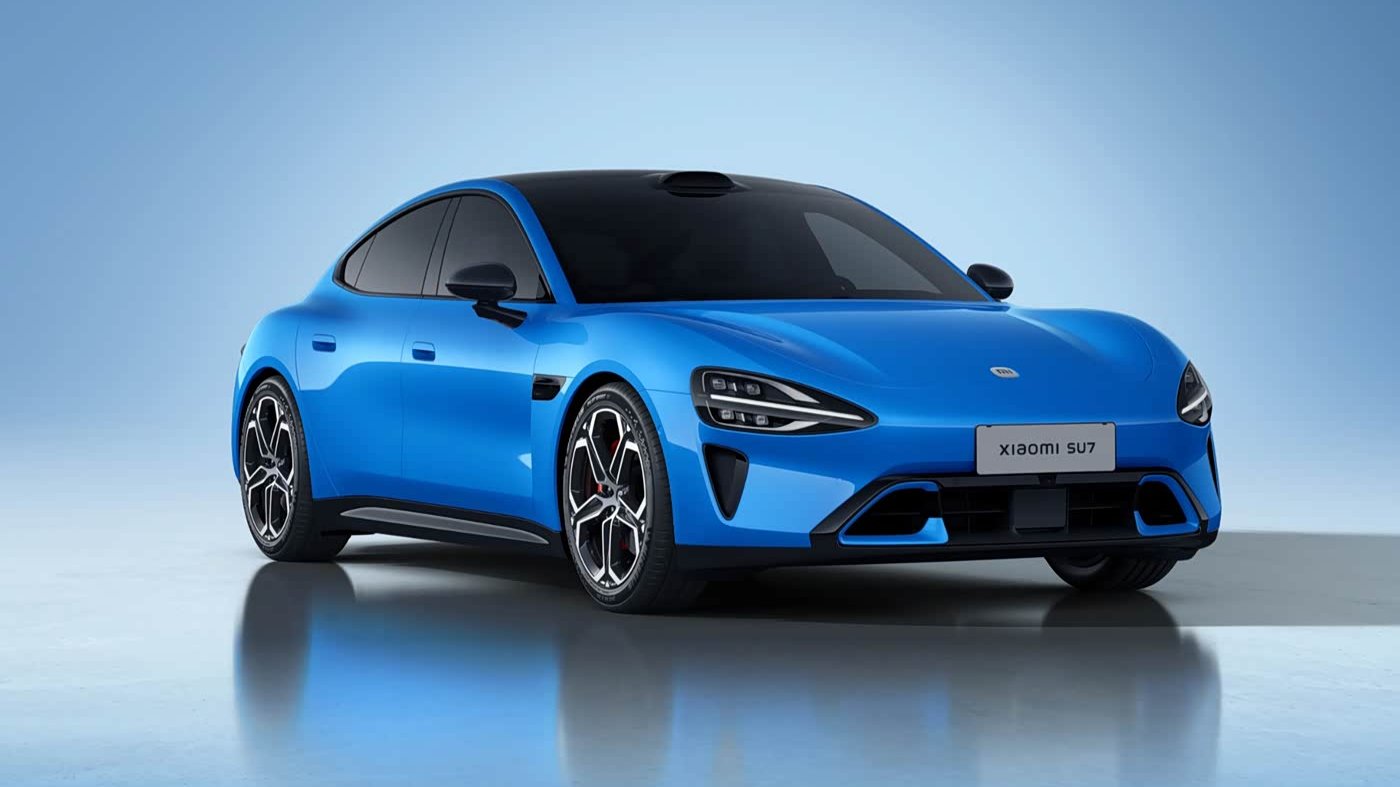
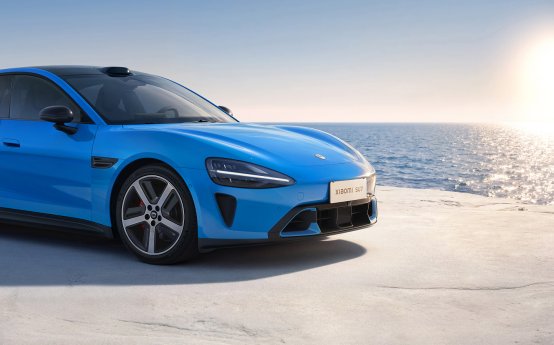
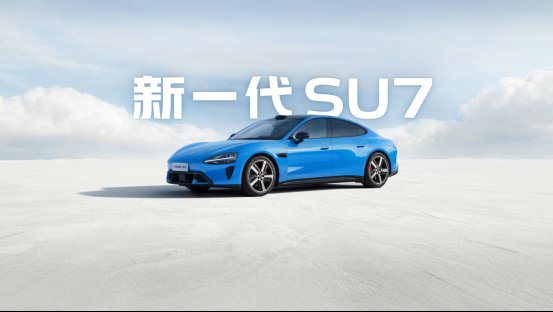
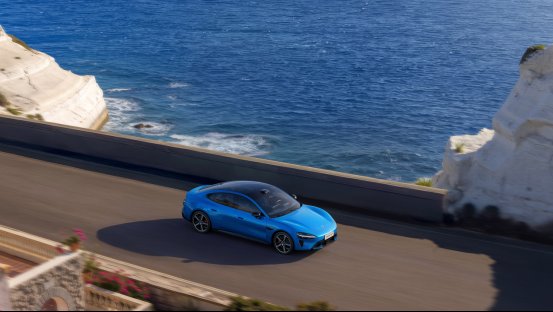
So you will find that the new-generation SU7 has not reshaped itself into an unfamiliar car. It still retains the low-slung, elongated proportions, water-drop headlights, and halo taillights—these design languages that have already built recognition—only continuing to refine the details, such as adding new car colors, optimizing the wheels, and retaining the electric rear spoiler on the Max version. Mature products usually understand one thing: true progress is not necessarily overturning yourself, but making what was already right become more complete.
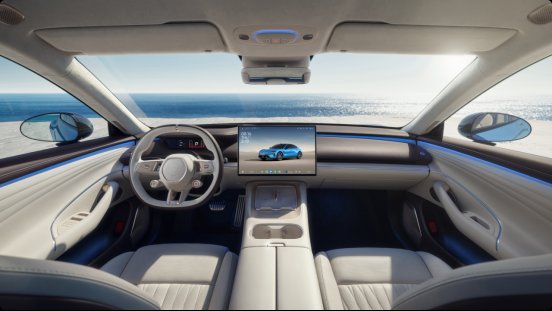
This kind of "completeness" is even more evident in the cabin. The new-generation SU7 places emphasis on places that are not necessarily the easiest to spread virally, but are the easiest to perceive over the long term: an 18-way adjustable driver's seat with 10-point massage, optimized rear seat padding and side bolsters, laminated acoustic glass for all four doors across the range, a higher-spec quiet cabin in the Max version, a dual-zone intelligent dimming panoramic roof, and an upgraded audio system. Here, technology is no longer just a parameter, but is striving to retreat behind the scenes, so that passengers do not feel the technology itself, only comfort. Truly advanced technology has never been "look how strong I am," but rather "you almost forget I exist, yet I have always been handling things properly."
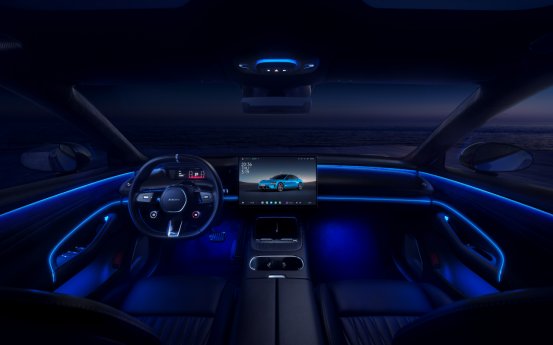
The intelligent cabin is the same. Official materials show that the new-generation SU7 continues to strengthen the HyperOS intelligent cabin and Super Xiao Ai, with voice control covering 95% of vehicle control functions, and adds more natural conversation and exterior voice capabilities. Many people think the essence of intelligence is "being like a human," but it is not. The true value of intelligence is to free people from having to speak like machines, from having to memorize commands, and from having to learn a set of logic before using a function. The ideal state of technology is not to make the car look more and more like a show-off robot, but to make communication between people and cars more and more like an unspoken understanding that needs no explanation.
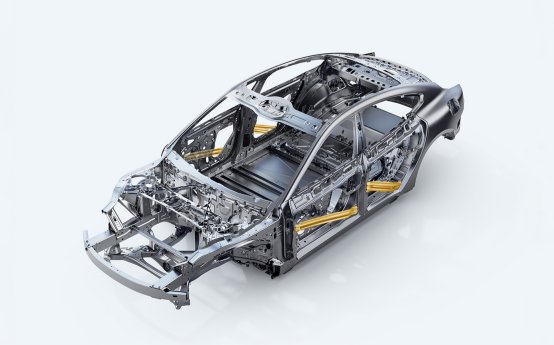
Looking further, the upgrade priorities of the new-generation SU7 also reveal a shift in industry attitude. It comes standard across the range with lidar, 4D millimeter-wave radar, and 700TOPS assisted driving computing power, and upgrades Xiaomi HAD and the XLA cognitive large model; at the same time, body safety structure, 2200MPa door anti-collision beams, a 2200MPa "embedded roll cage," 9 airbags, as well as mechanical door handles and redundant backup power for door locks, have all been given higher priority. You will find that what most deserves respect in a car today is no longer how fast it can go, but whether it can still hold the bottom line in extreme situations. Speed brings adrenaline, safety brings trust; and a mature brand must ultimately move from manufacturing stimulation to manufacturing trust.
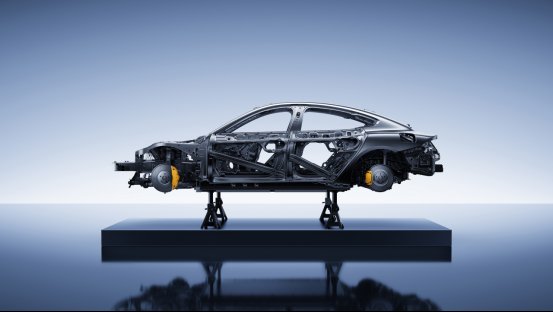
Power and range follow the same logic. The Standard and Pro versions adopt a 752V high-voltage platform, the Max version adopts an 897V high-voltage platform, and CLTC range reaches up to 902km; the Pro and Max also upgrade to closed dual-chamber air springs and CDC variable damping shock absorbers. On the surface, these are about performance, charging, and chassis; but in essence, they all address the same philosophical question: what exactly do people want to get from a car? Not to always be faster, but to have confidence when speed is needed, composure when stability is needed, and not to be easily interrupted by reality when wanting to go far. The meaning of a car has never lain in showing off power on your behalf, but in preserving freedom on your behalf.
Therefore, what truly deserves attention about the new-generation Xiaomi SU7 is not whether it has a bigger screen, nor how many orders it locked in 34 minutes, but that it increasingly resembles a product that "understands the situation of contemporary people." It knows that people today want both aesthetics and efficiency; both a sense of technology and freedom from complexity; they yearn for speed and care more about safety; they hope machines are smart enough, yet do not want to be educated by machines. In other words, what it sells is not just equipment, but a proposal for daily life with less anxiety and fewer compromises.
A car certainly cannot answer life's questions, but it will expose the questions of an era. The emergence of the new-generation SU7 at least shows that China's current new energy vehicle market is moving from "who is better at creating surprises" to "who is better at providing stability." And this may be the truly important change: humanity has never lacked faster machines; what humanity truly lacks is tools that let people hand over their lives with peace of mind.