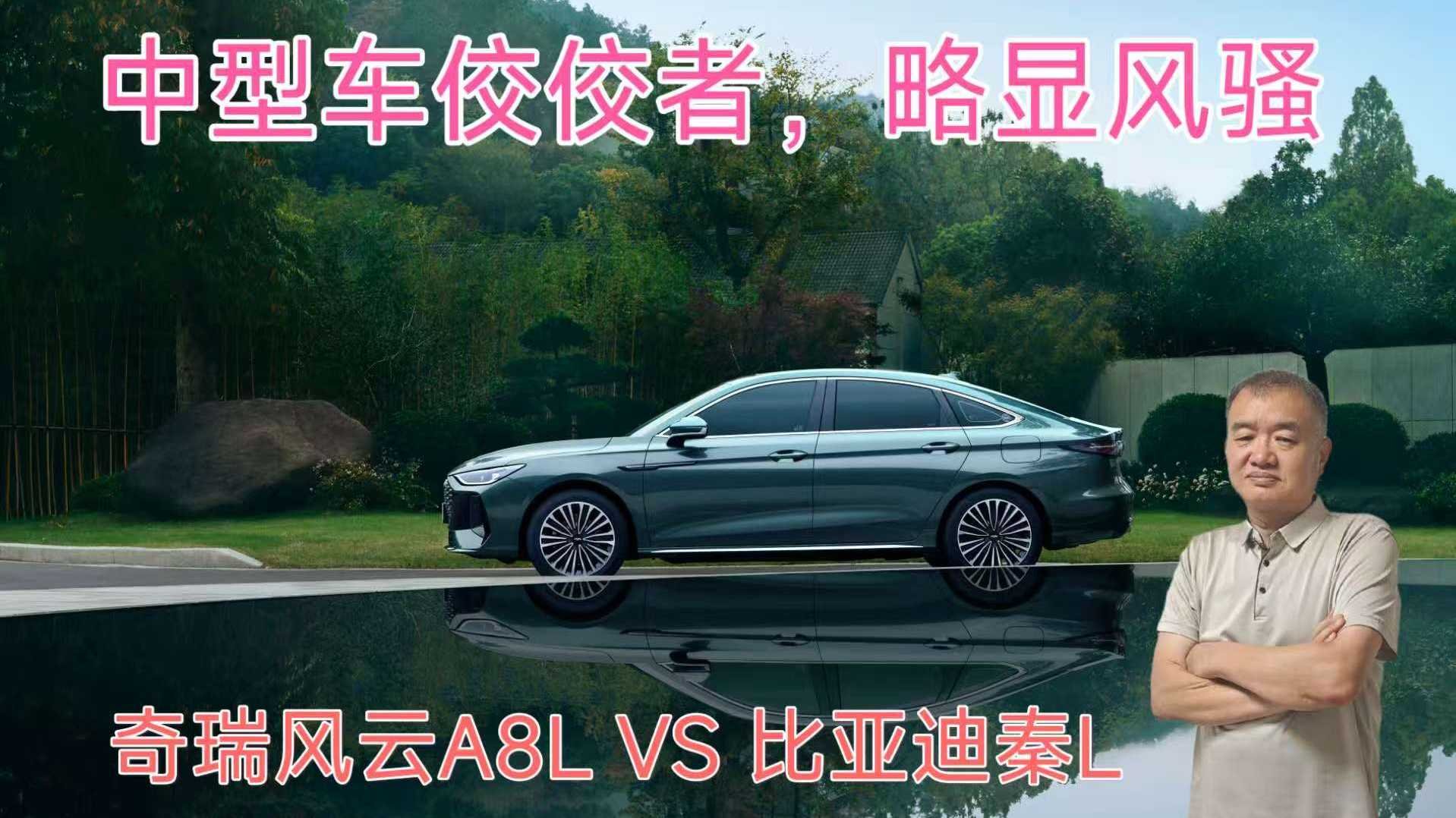
Nowadays, competition in the new energy family car market can be described as "brutal," with iteration and updates happening quite quickly, forcing existing products to rely only on solid quality and leading cost-effectiveness to remain invincible in the market. Plug-in hybrid models have attracted people's attention because they do not have the anxiety of relying solely on pure electric range and offer convenience in replenishing energy. Among them, Chery Fengyun A8L (abbreviated as Fengyun A8L) and BYD Qin L (abbreviated as Qin L) are outstanding representatives.
In terms of exterior design alone, the Fengyun A8L and Qin L have similarities and similar styles. If not for the difference in body dimensions, they could very likely be mistaken for twin brothers.
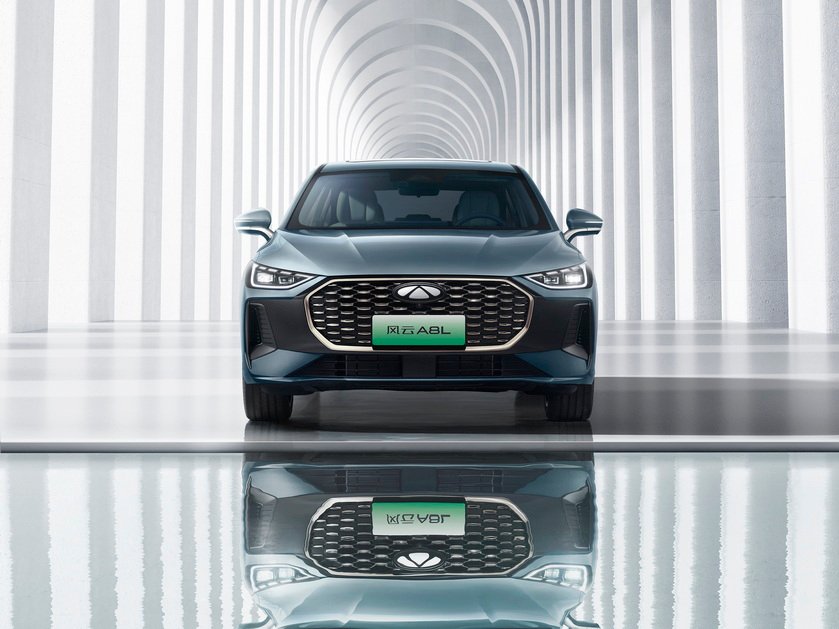
The Fengyun A8L has body length, width, and height of 4790X1845X1487 mm respectively, with a wheelbase of 2790 mm. The exterior design is inspired by drifting clouds in the sky, and the overall impression is elegant and unrestrained. The matrix-style front grille is inlaid with fish-scale decorations, and under the illumination of sunlight it looks like scale-like clouds spread across the sky, with light shining through the clouds, hence the name Cloud Scale Grille. The headlights on both sides are the finishing touch of the front face, and the internal structure of the lamp cavity is clearly defined, like morning light piercing through clouds and mist.

The Qin L has body length, width, and height of 4830X1900X1495 mm respectively, with a wheelbase of 2790 mm. The exterior design adopts the new national trend Dragon Face aesthetic design language, and the overall look is sharp, fashionable, and dynamic. The matrix-style front grille extends to both sides below the headlights, like an open mouth, deepening the visual focus of the front face. The headlights are narrow and long, with a sense of power, and appear piercingly bright under the protection of the daytime running lights.
Through the comparison of exterior aspects, we find that the Fengyun A8L and Qin L each have their own strengths, and personal preferences are also a matter of individual taste. Because of its body advantages, the Qin L is more fashionable and dynamic, and turns heads when driving. However, the Fengyun A8L looks more steady and imposing. Moreover, its 2790 mm wheelbase already rivals that of B-segment cars, so the spaciousness and comfort of the interior presumably already offer good value for money.
In terms of interior, the Fengyun A8L and Qin L both adopt a wraparound design, but the internal differences in configuration create a slight gap between them.
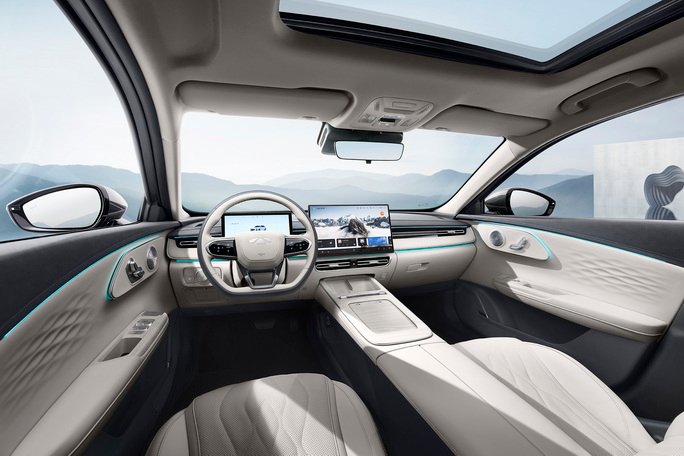
The Fengyun 8AL's central control screen is 15.6 inches in size and is a 2.5K display. It is matched with a Qualcomm Snapdragon 8155 automotive-grade chip and the Lion OS vehicle system, offering rapid response. It can boot up within 2 seconds and execute more than 20 commands within 30 seconds. Moreover, it supports Carplay/HUAWEI HiCar/Carlink phone connectivity, meeting the needs of most customers.
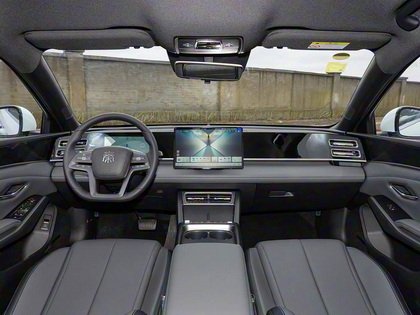
The Qin L's central control screen is also 15.6 inches, but it is equipped with the DiLink vehicle system and a Qualcomm Snapdragon 665-level non-automotive-grade chip, so its response is bound to be slightly inferior. Most critically, it does not support phone connectivity, which is somewhat outdated in today's era of extremely frequent phone use.
In terms of comfort, the Fengyun A8L's driver's seat has 10-way electric adjustment, and the front passenger seat has 4-way electric adjustment. The front seats have ventilation/heating functions, and the 9-layer cushion structure is matched with 10 mm thick sponge filling, making it flexible and comfortable, so that when sitting down the body sinks in deeply. Compared with the Qin L's driver's seat, which has 8-way electric adjustment, and front passenger seat, which has 4-way electric adjustment, it is obvious that the Fengyun A8L is slightly superior in comfort.
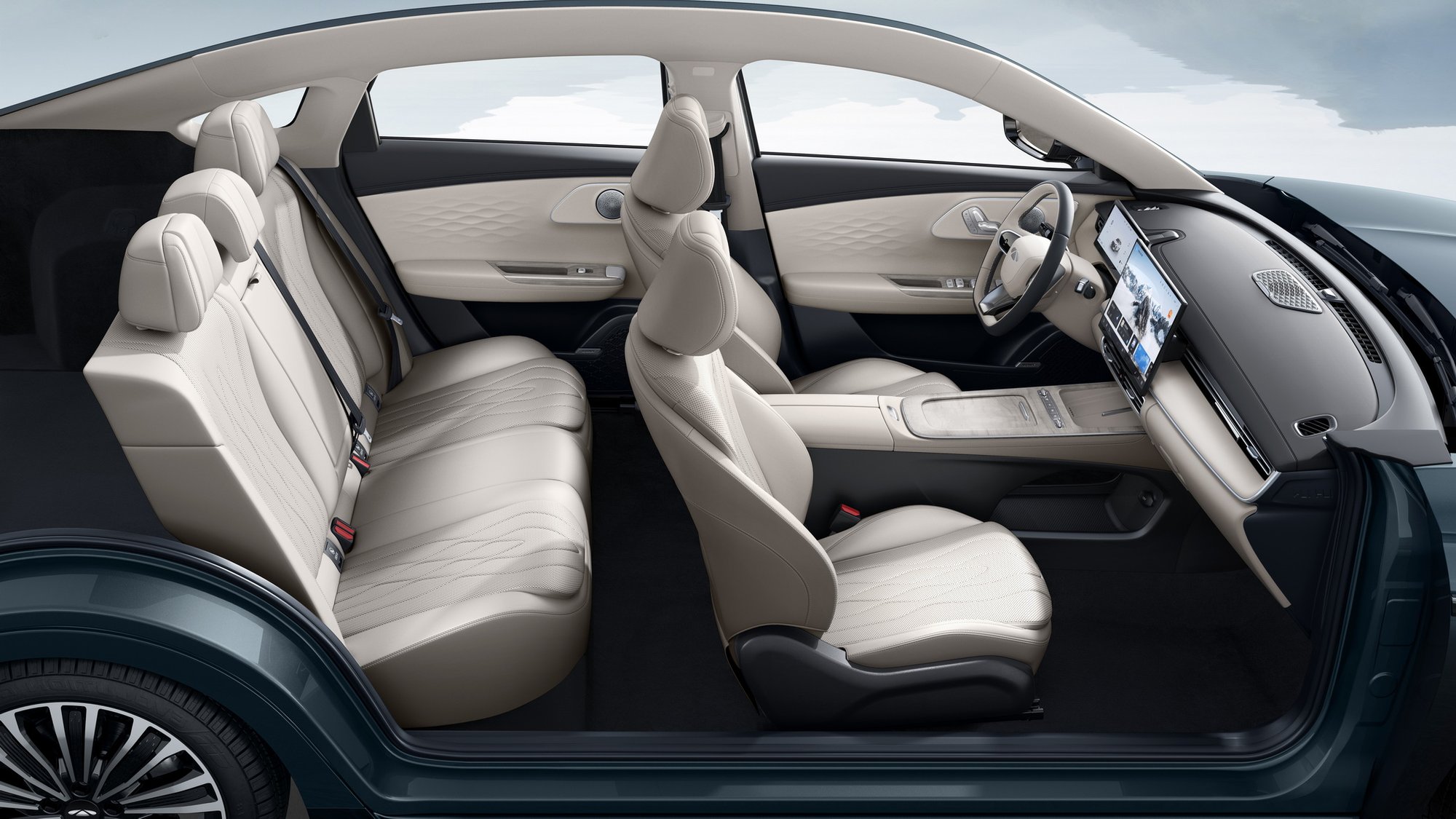
As for rear space, both cars have the same 2790 mm wheelbase, so there is little difference in legroom. Moreover, both have panoramic sunroofs, which play a relaxing role psychologically and visually for rear passengers when driving out.
Therefore, on the surface, the Fengyun A8L and Qin L seem to be almost the same in terms of configuration. But in places that cannot be seen, the Fengyun A8L clearly has more options and is slightly superior in its expression of technology and quality.
To put it more plainly, when entering the Qin L's interior, the first impression is that of an ordinary family commuter car, but the Fengyun A8L feels high-end and tasteful, showcasing a European car style.
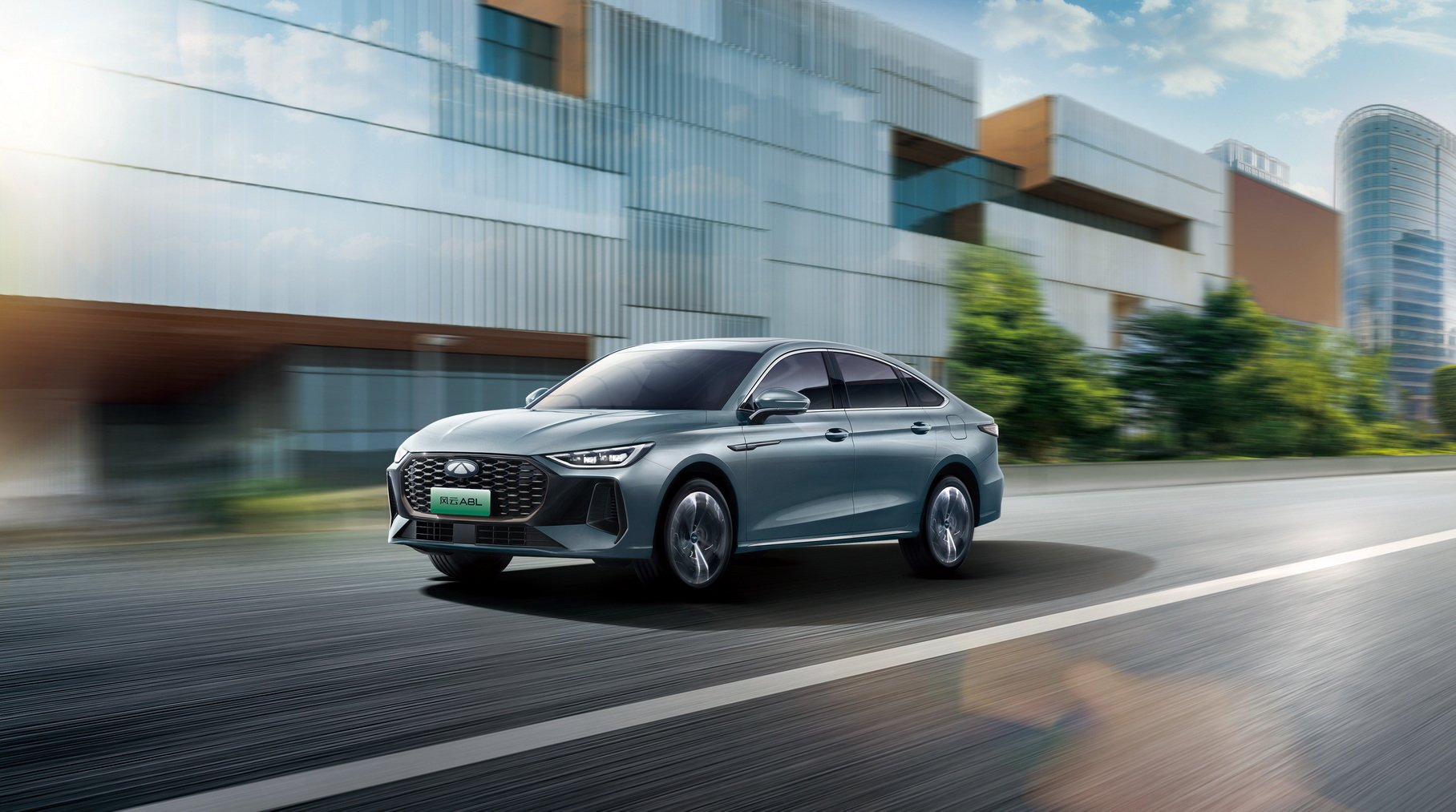
The Fengyun A8L's powertrain is a 1.5T turbocharged engine + single motor, front-engine front-wheel drive. The system's maximum power is 265 kW, and maximum torque is 530 N·m. The pure electric range is 145 km.
The Fengyun A8L adopts China's most versatile hybrid-dedicated engine—the fifth-generation ACTECO 1.5TGDI high-efficiency hybrid-dedicated engine, with a thermal efficiency of 44.5%. It is matched with an electric hybrid DHT transmission, has 4 driving modes, and has a WLTC fuel consumption of 4.2L per 100 km. Comprehensive fuel consumption is as low as 1.01L, only 0.18 yuan per kilometer.
The front MacPherson and rear multi-link independent suspension, matched with 235/45 R18 tires, provides very good vibration filtering and roll support. Moreover, the Fengyun A8L's double-layer laminated glass and the segment's only ENC active noise reduction and sound insulation level provide a good NVH effect. During driving out, occupants can converse with each other in a calm tone, ensuring a relaxed and comfortable environment.
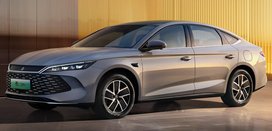
The Qin L's powertrain is a 1.5L naturally aspirated engine + single motor, front-engine front-wheel drive. The engine's maximum power is 74 kW, and maximum torque is 126 N·m. The pure electric range is 128 km.
Although it also has the same front MacPherson and rear multi-link independent suspension system, because the Qin L's 225/55 R17 tire specification is slightly smaller than the Fengyun A8L's, even though no difference can be felt in vibration filtering, it is still a bit softer in roll support, and its handling is slightly worse than the Fengyun A8L's. However, by the standards of ordinary family driving experience, this minor flaw of the Qin L can be ignored and does not affect daily commuting or its inherent cost-effectiveness.
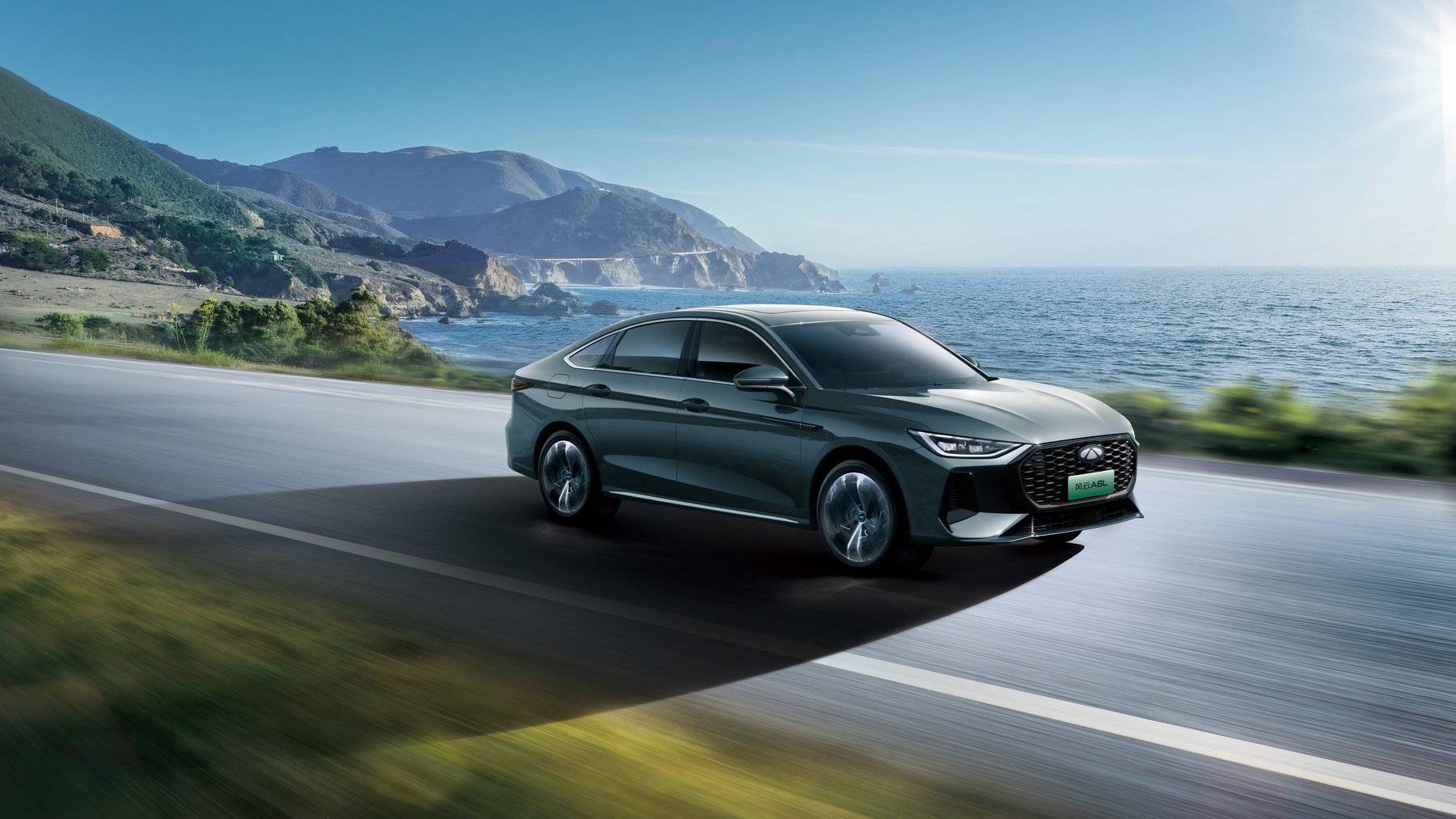
The Fengyun A8L and Qin L are both outstanding among plug-in hybrid models, with subtle differences in exterior design, interior configuration, and powertrain. Through the brief introduction above, we find that the two cars seem to have different positioning for consumer needs: if you emphasize cost-effectiveness and use it as an ordinary family commuter car, choose the Qin L; if you pursue quality and driving pleasure, choose the Fengyun A8L.