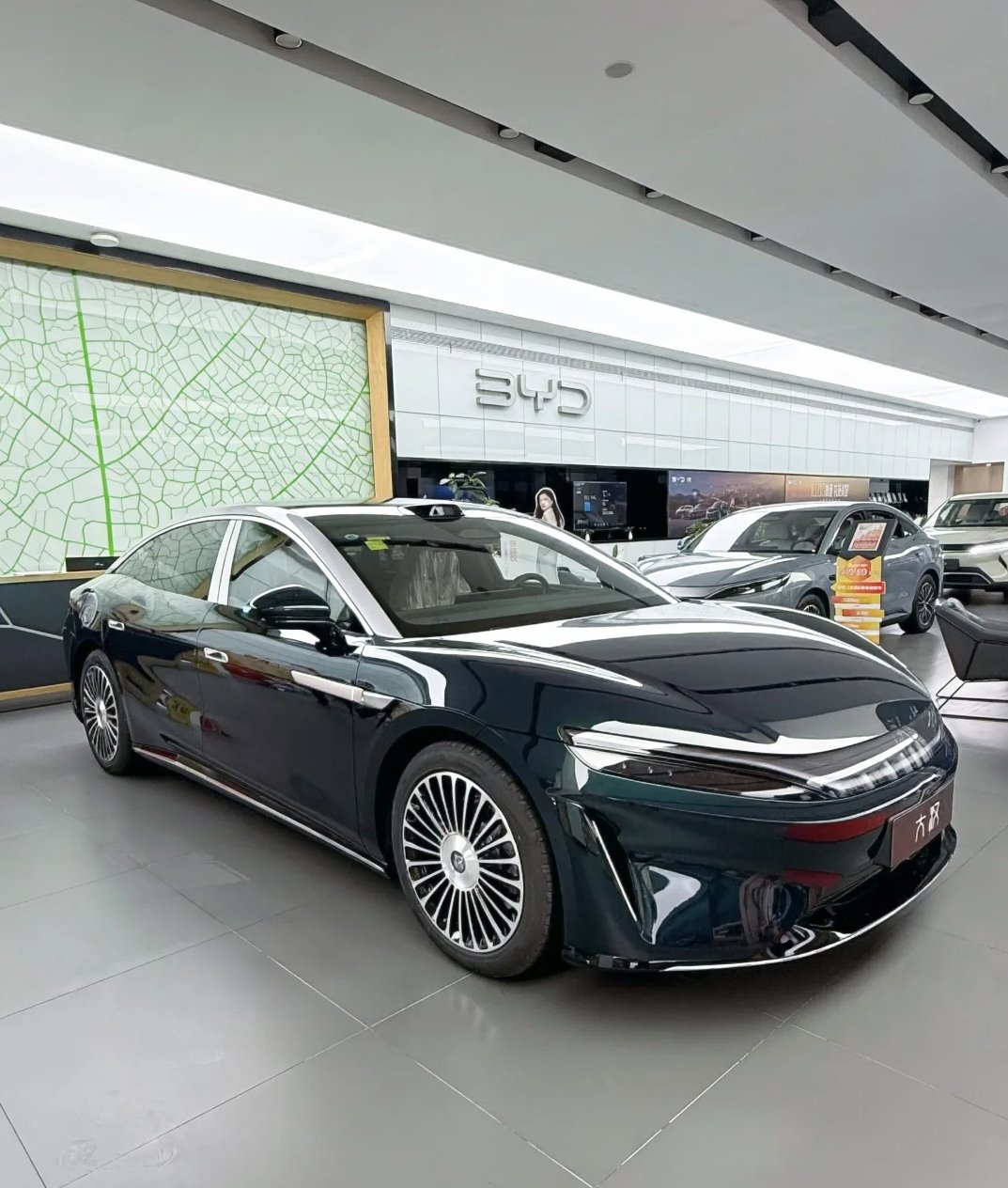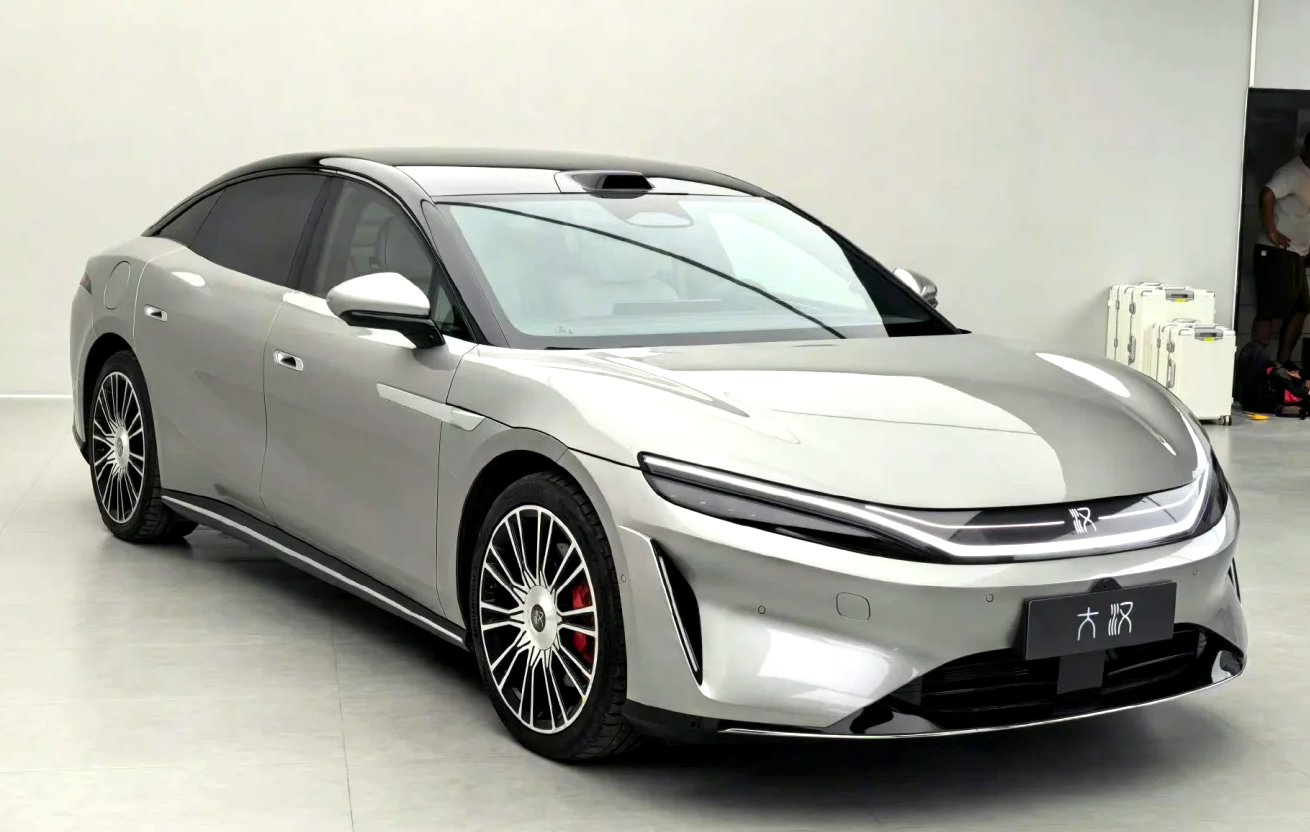
Recently, the controversy online about the BYD Han EV's range has been really lively, and I believe many sisters who follow this car have seen it. The officially claimed CLTC range of 1008km is very different from the 566km measured by Autohome, and many netizens immediately felt that the vehicle's range was overstated, but after reading the actual tests and detailed data from various parties, I really want to talk about this objectively.
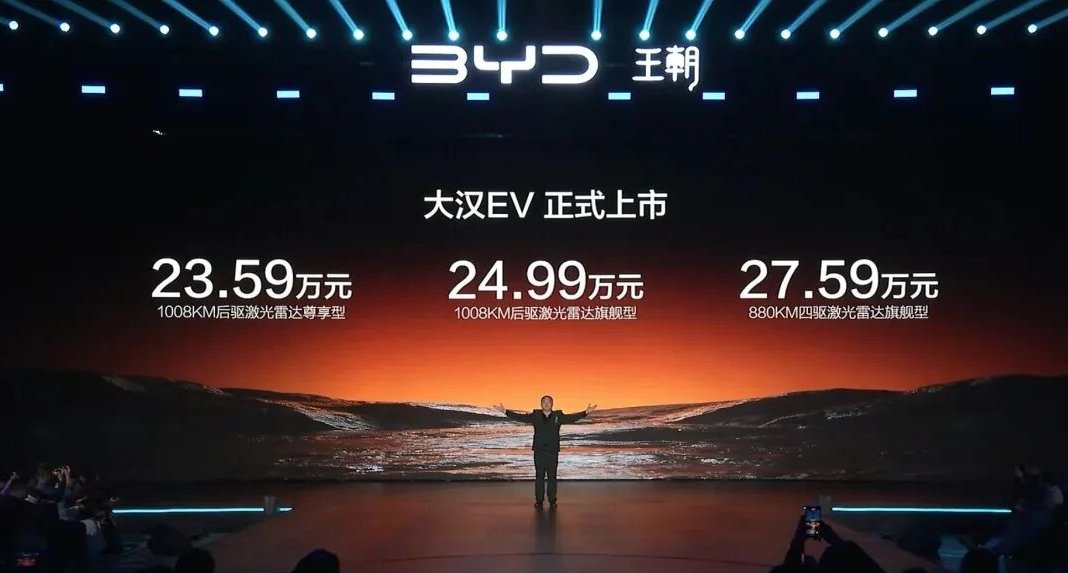
Actually, everyone really misunderstood. Whether it is the official rated range of 1008km or the actual range measured by the media, neither set of data is falsified. The core reason is very simple: the testing scenarios and environmental conditions of the two are completely different.
First, let's talk about the Autohome actual test that everyone is most hung up on. I specifically looked into the details. The vehicle tested this time was a pre-production trial car provided by BYD before launch, not a mass-produced private car that ordinary consumers buy and use in daily life. Moreover, the entire process used professional media testing road conditions and driving rhythms. There was no deliberate attempt to smear BYD. It is just that the testing environment was relatively extreme, so its reference value is rather one-sided.
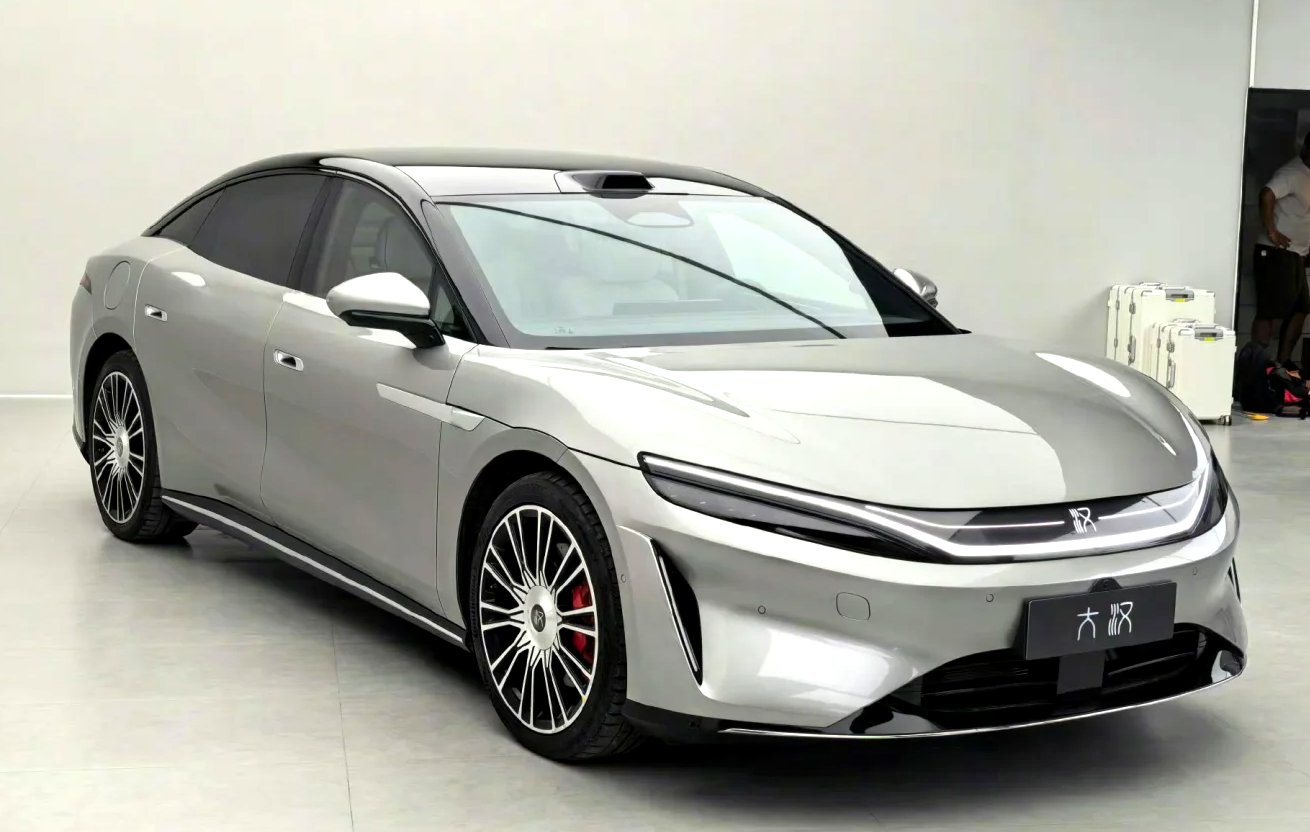
Many sisters may not quite understand the testing standards for electric vehicle range. Let me explain the CLTC official test conditions in plain terms. The official 1008km range figure was measured under a standard environment at a constant 23°C. During the entire test process, there were almost no highway sections, the air conditioning, seat heating, and high-power infotainment devices were not turned on at all, and there were no extreme road conditions such as steep slopes, congestion, or rapid acceleration and deceleration.
This set of standards may look loose, but it is actually especially close to our ordinary people's daily vehicle use. For daily city commuting, urban errands, and short trips, most of the time the road conditions, temperature, and driving habits basically fall within the CLTC testing framework. It can absolutely serve as a range reference for daily driving, and it is not a fabricated number.
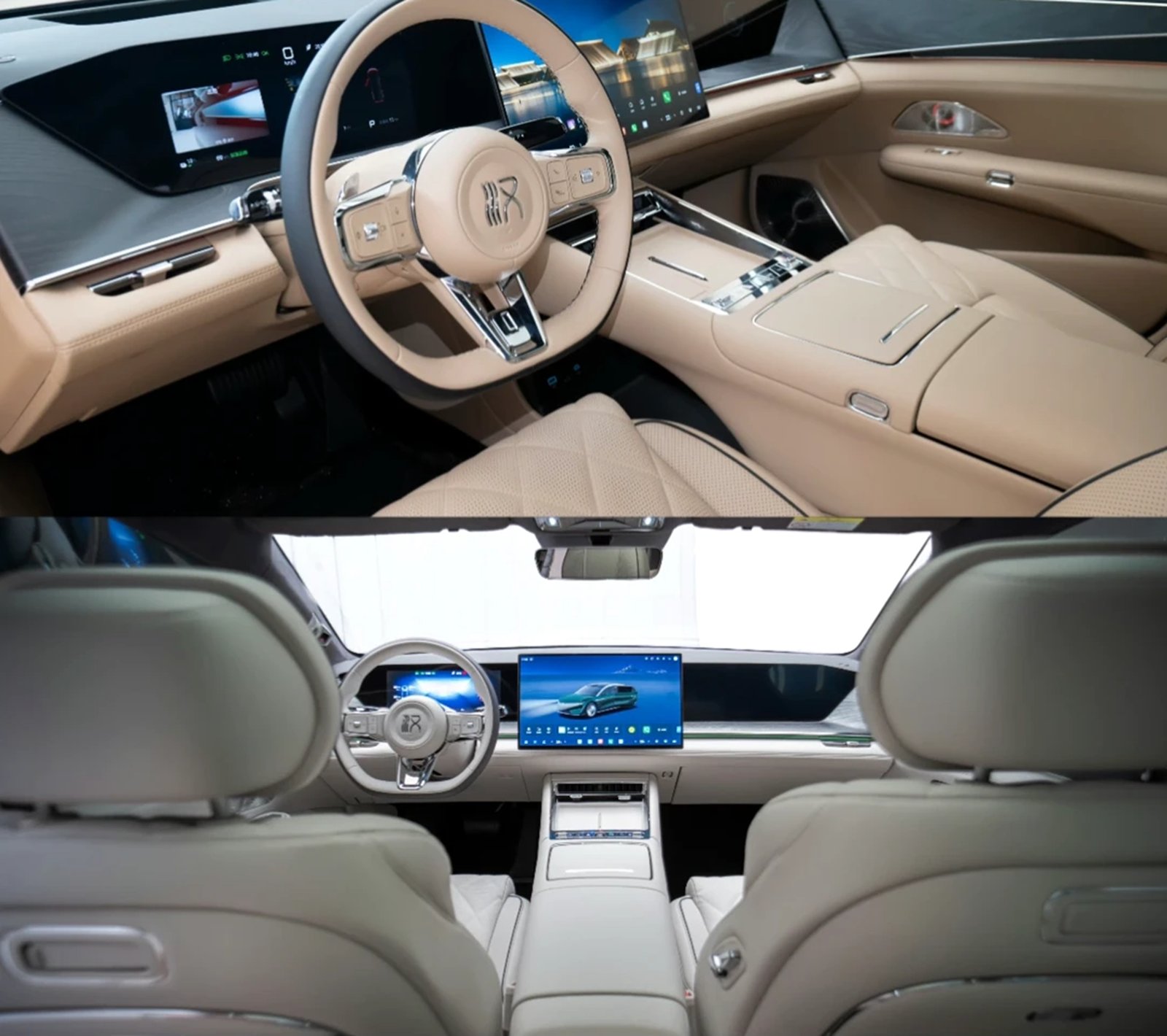
In contrast, the actual ranges measured by the public and the media have far too many variables. Every small detail can greatly affect an electric vehicle's energy consumption. Outdoor temperature, whether the whole route is highway or city, how many people are in the car, whether there is heavy cargo in the trunk, whether driving habits are gentle and smooth or involve frequent hard acceleration and hard braking, and whether the air conditioning and music are on the whole time—these variables all directly change energy consumption, so the range naturally fluctuates enormously.
Just like the familiar BYD Seal EV. For the same model, the energy consumption different people get is worlds apart. Some owners drive more aggressively and can reach 20kWh/100km, and some owner groups even set this energy consumption as the threshold for joining the group; but with gentle driving and smooth road conditions, some owners have also achieved an ultra-low energy consumption of 10.1kWh/100km. There is also the well-known ultra-long downhill section in Gansu. Over dozens of kilometers of downhill driving, the vehicle's regenerative braking can even recharge the battery in reverse, and the range directly goes "over spec" in reverse. These are all normal characteristics of electric vehicles.
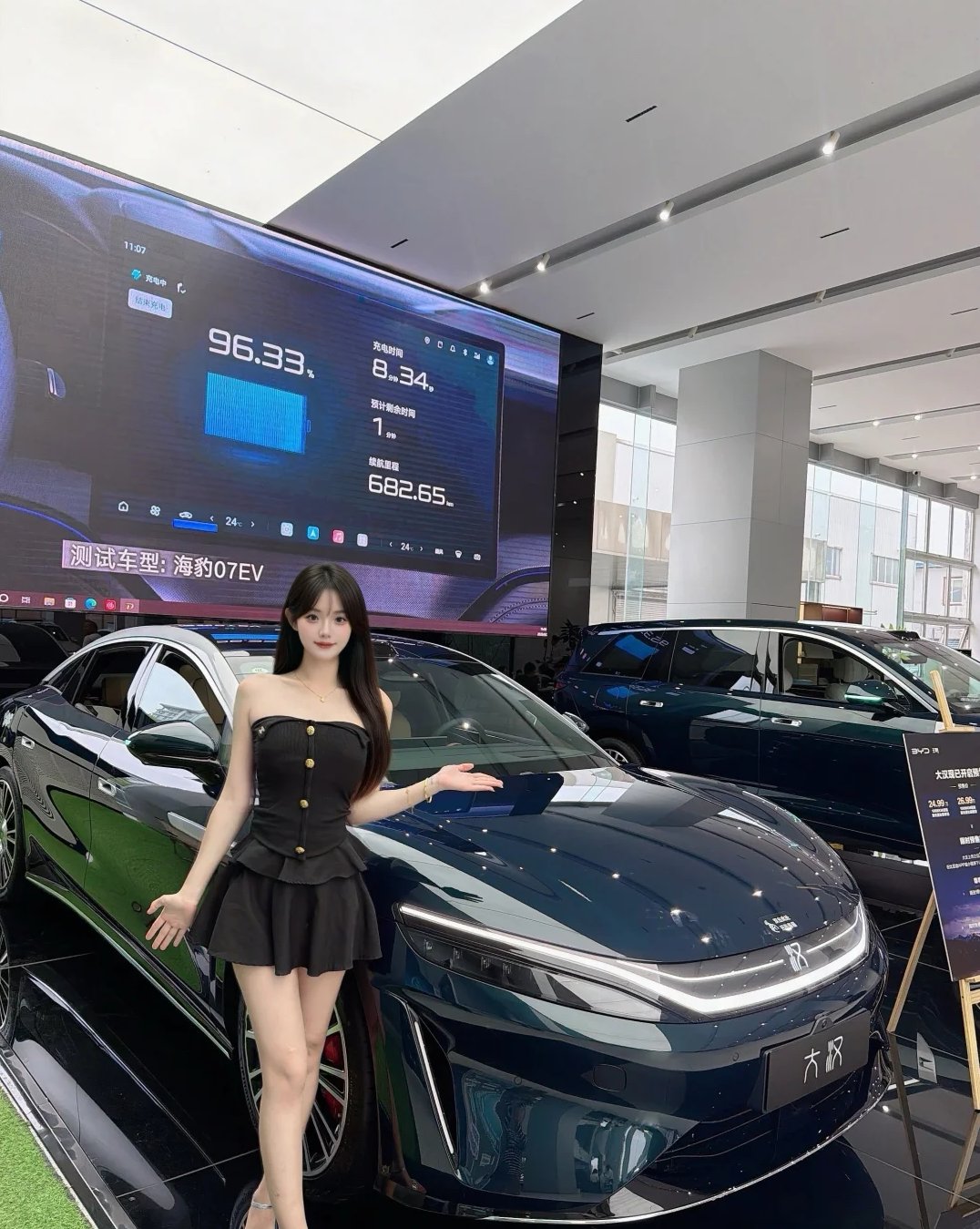
So I sincerely suggest that everyone treat a single actual test figure from the public as only a reference. Never overgeneralize and use one set of extreme test data to completely deny the Han EV's real range level.
In addition, I have also seen many people like to compare the range and three-electric system of the Xiaomi SU7 Pro with those of the BYD Han EV. In fact, this kind of comparison is really unfair. Many people do not know that the Xiaomi SU7 Pro is equipped with FinDreams first-generation battery, while the new Han EV has upgraded to BYD's self-developed second-generation battery. There is inherently a generational gap between the two. BYD relies on tens of thousands of engineers polishing and tuning three-electric technology year after year, and its accumulation in range achievement rate and battery stability is simply not on the same comparison dimension. Such a comparison has no reference significance at all.
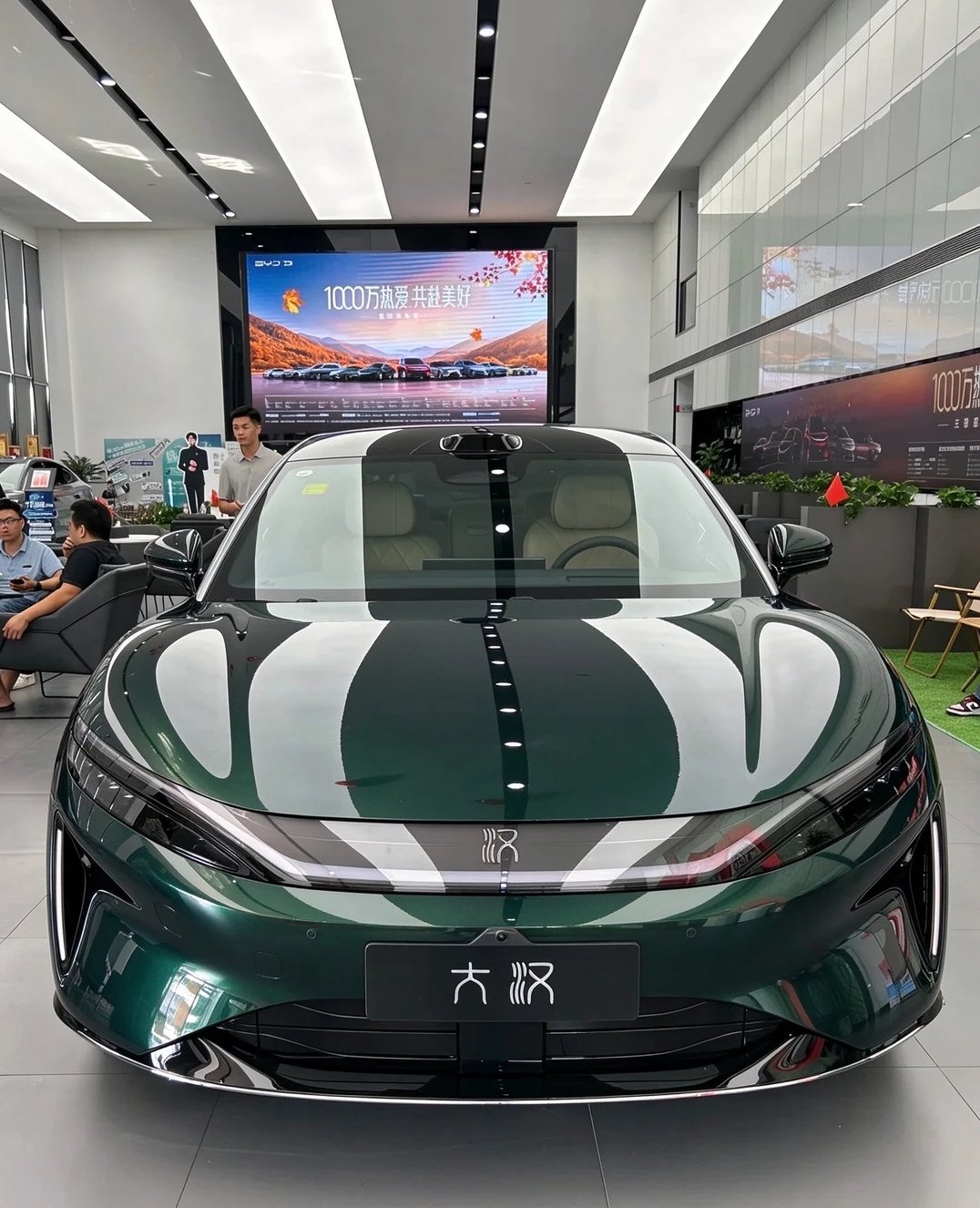
Moreover, I think everyone really does not need to focus only on the single highlight of the Han EV's 1008km range! As a high-end D-segment executive sedan, its overall strength is what most appeals to ordinary owners, especially family car owners. It is a well-balanced "bucket car" with no obvious shortcomings, and it is almost unmatched among models in the same class.
In addition to its reliable long range, the Han EV's sincere equipment is truly maxed out. The upgraded second-generation battery supports high-power fast charging, making daily recharging fast and worry-free; it comes with a privacy sound shield, and the cabin quietness is excellent, making daily commuting and taking kids out especially quiet. The flagship version starting at 23.59 comes standard with the Cloud辇-A chassis, Devialet high-end audio, and rear-wheel steering, pushing handling and comfort to the max. Most impressively, even the entry-level version is fully equipped with seat heating, ventilation, and massage functions. Whether driving in winter or summer, comfort is directly maxed out, and it is super friendly to women and drivers who drive long distances.
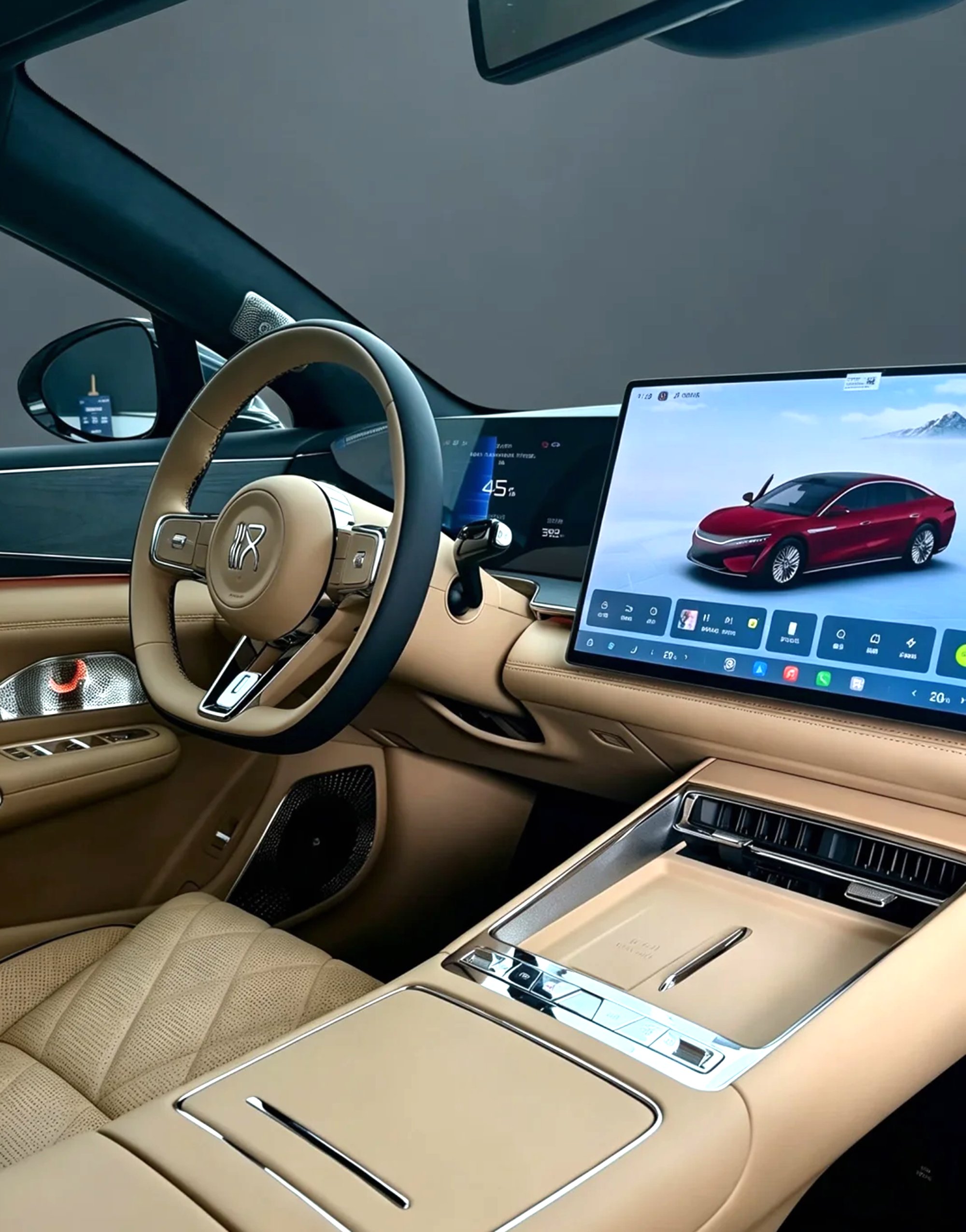
Looking across the entire mid-to-high-end pure electric sedan market, with a price of 235,900, being able to offer such comprehensive equipment, solid three-electric technology, and ultra-long range, the cost-effectiveness is truly impeccable. It is a veritable high-value "hidden gem" model.
Based on my own observation and experience with the car, this Han EV has really great market potential. I think it is entirely foreseeable that subsequent orders will exceed 100,000 and monthly sales will steadily exceed 10,000!