Let's skip the fluff today and take the long view—let's talk about the "heart" that will truly determine who dominates the landscape in the next 10 years: power batteries. Right now, many manufacturers are promoting "semi-solid-state mass production" and "the first year of vehicle installation," making it seem as if "solid-state battery" technology is mature and about to become widespread! But is that really the case? The fact is, we've all been marketed to about "semi-solid-state batteries"!
First, let me throw some cold water: the "semi-solid-state" you're seeing now may just be an "improved version" of liquid batteries? Those semi-solid-state batteries being rushed onto the market are, frankly speaking, just solid electrolyte powder stuck onto the separator like a "band-aid," or electrolyte made into a "jelly" form. Is that solid-state? In principle, lithium ions are still "swimming" through—there are just a few extra rocks in the pool.
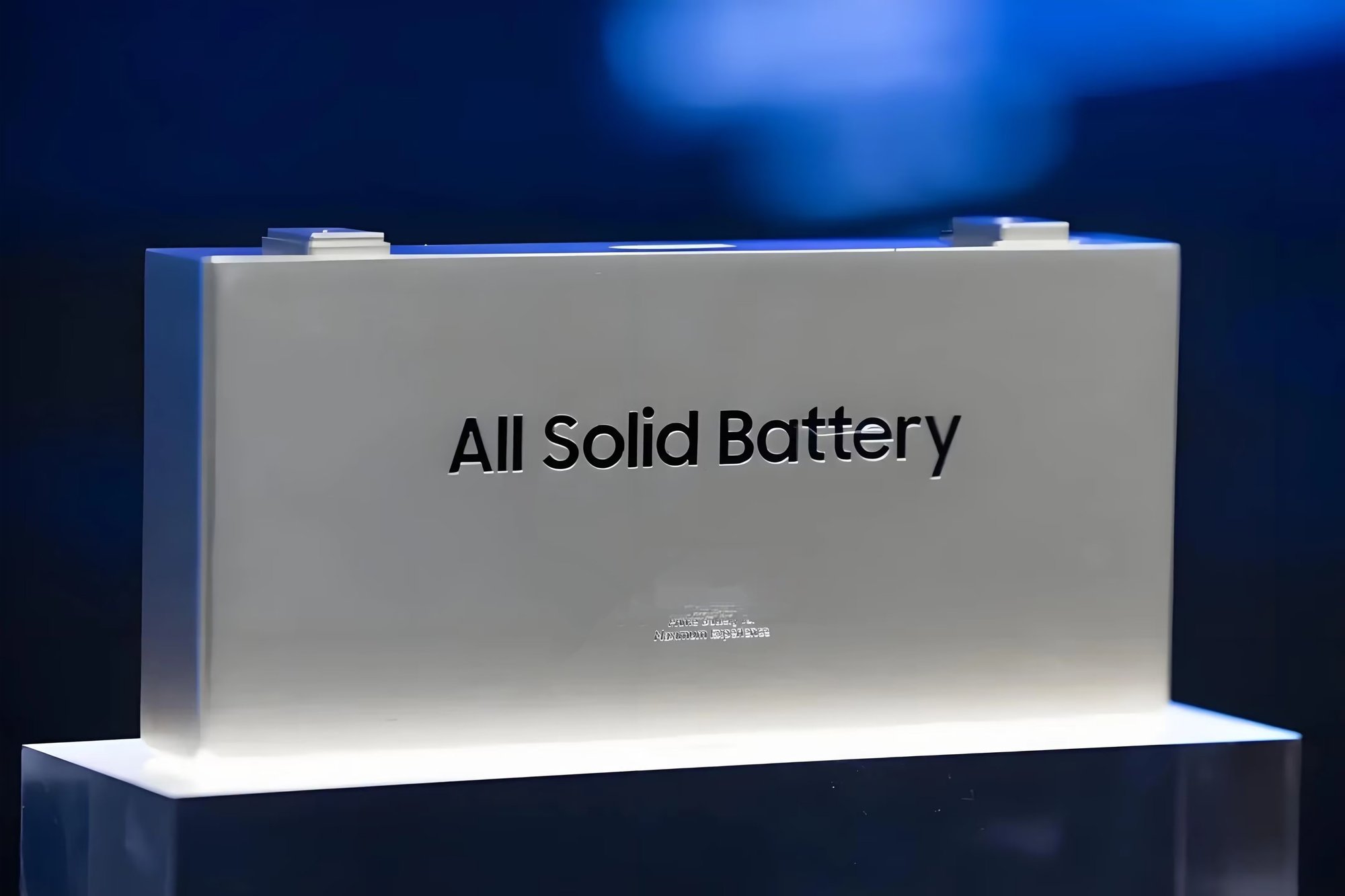
The result? The battery gets heavier, costs go up—and has safety improved? A little, but energy density has barely budged. Isn't this just "solid-state for the sake of solid-state"? This "death by a thousand cuts" approach is a far cry from the "revolution" we imagined. So what's the real "ace in the hole"? My answer is: all-solid-state, and specifically "internally series-connected" all-solid-state.
How fierce is this thing? Let's look at the data: high-nickel ternary cathode paired with lithium metal can theoretically reach 770 Wh/kg. How much do current liquid batteries achieve? Two to three hundred. That gap is equivalent to the difference between a green-skinned slow train and a high-speed rail.
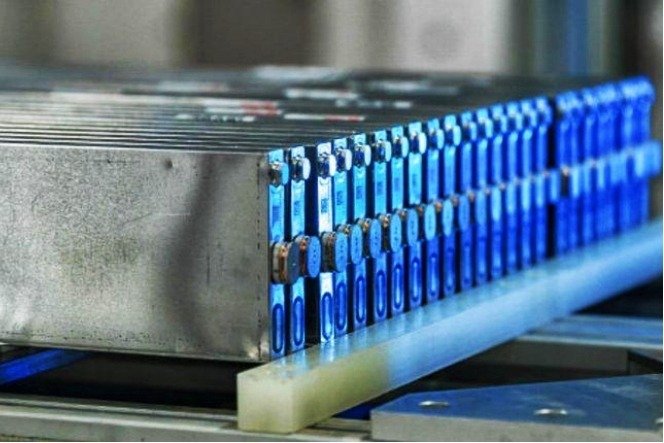
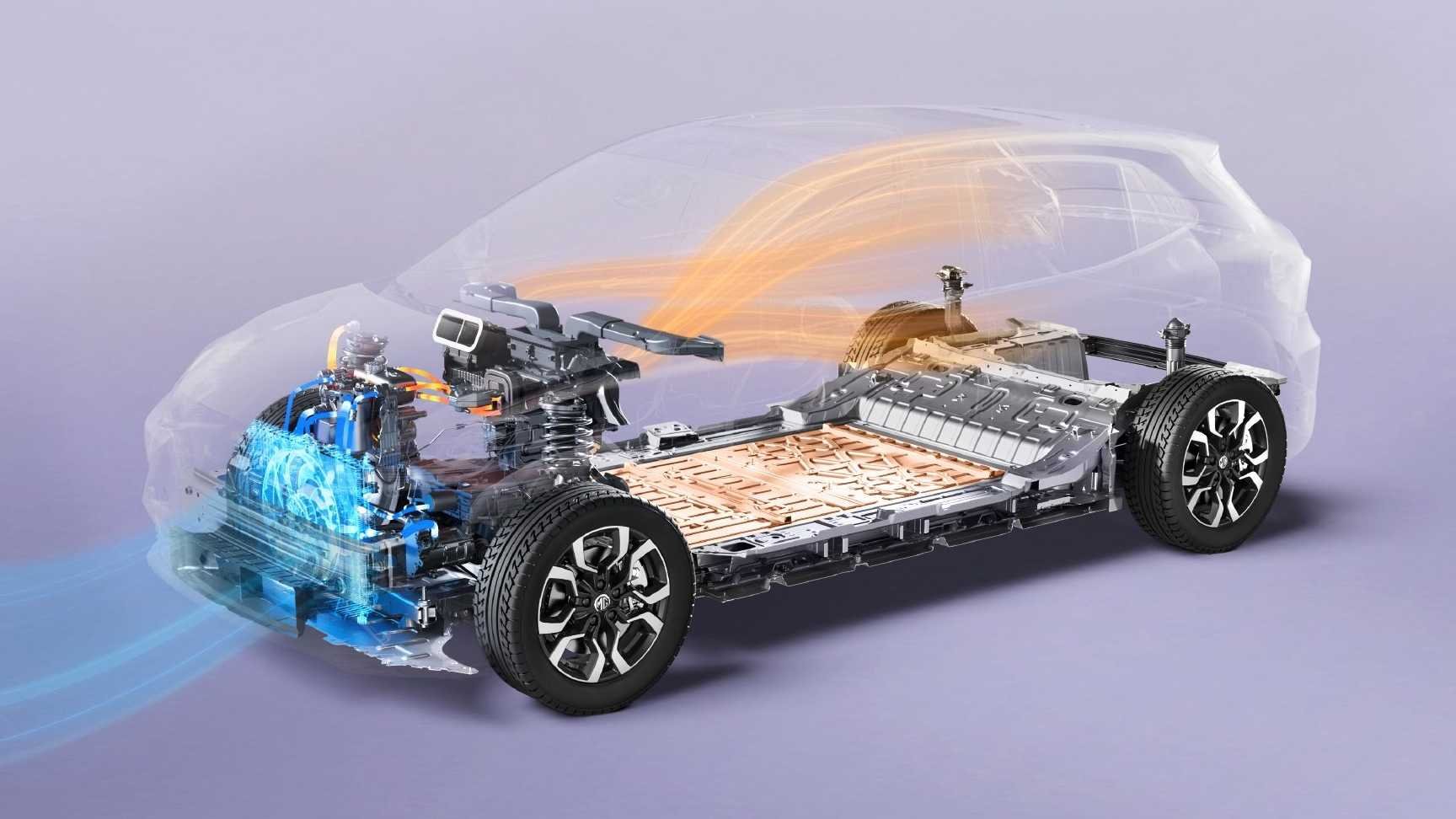
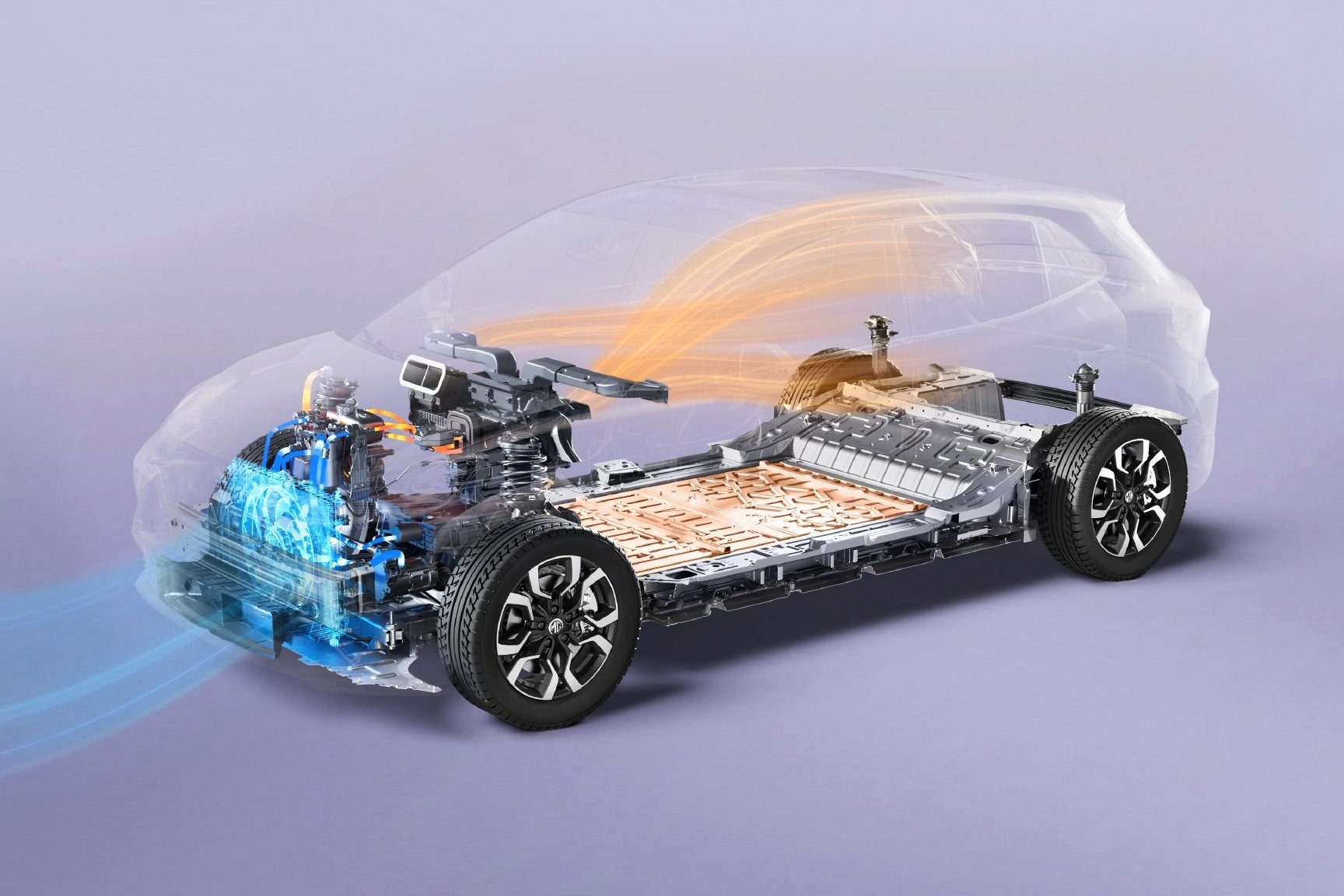
Even more remarkable is the "internal series" technology. Why are our current battery packs so heavy? Because each small cell has to be wrapped in a casing and connected with wiring harnesses—these "helpers that don't do real work" alone account for 20% of the weight. All-solid-state batteries, because the electrolyte is solid, can be directly connected in series inside a single cell, and they withstand high voltage. It's like turning scattered "small detached houses" directly into "skyscrapers"—saving space and reducing weight.
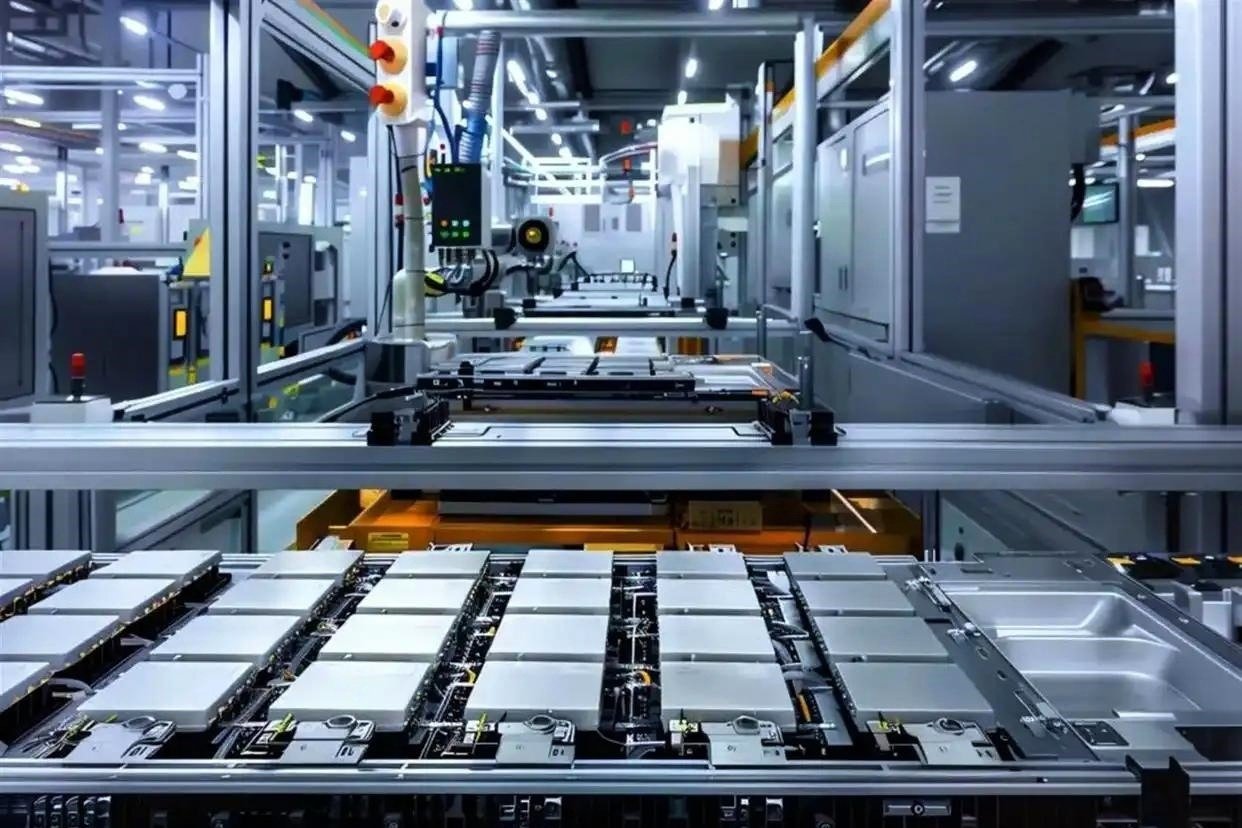
What颠覆d my understanding the most is the cost! We all assume new technology must be outrageously expensive, but after carefully running the numbers: a liquid battery production line has over a dozen process steps, a production cycle of 15–20 days, and requires hundreds of people for GWh-level capacity; whereas all-solid-state batteries have only one process step, can be done in 2–3 days, and need fewer than ten people! Looking long-term, the manufacturing cost of all-solid-state batteries is expected to be less than 50% of liquid batteries—it's practically a "dimensional strike."
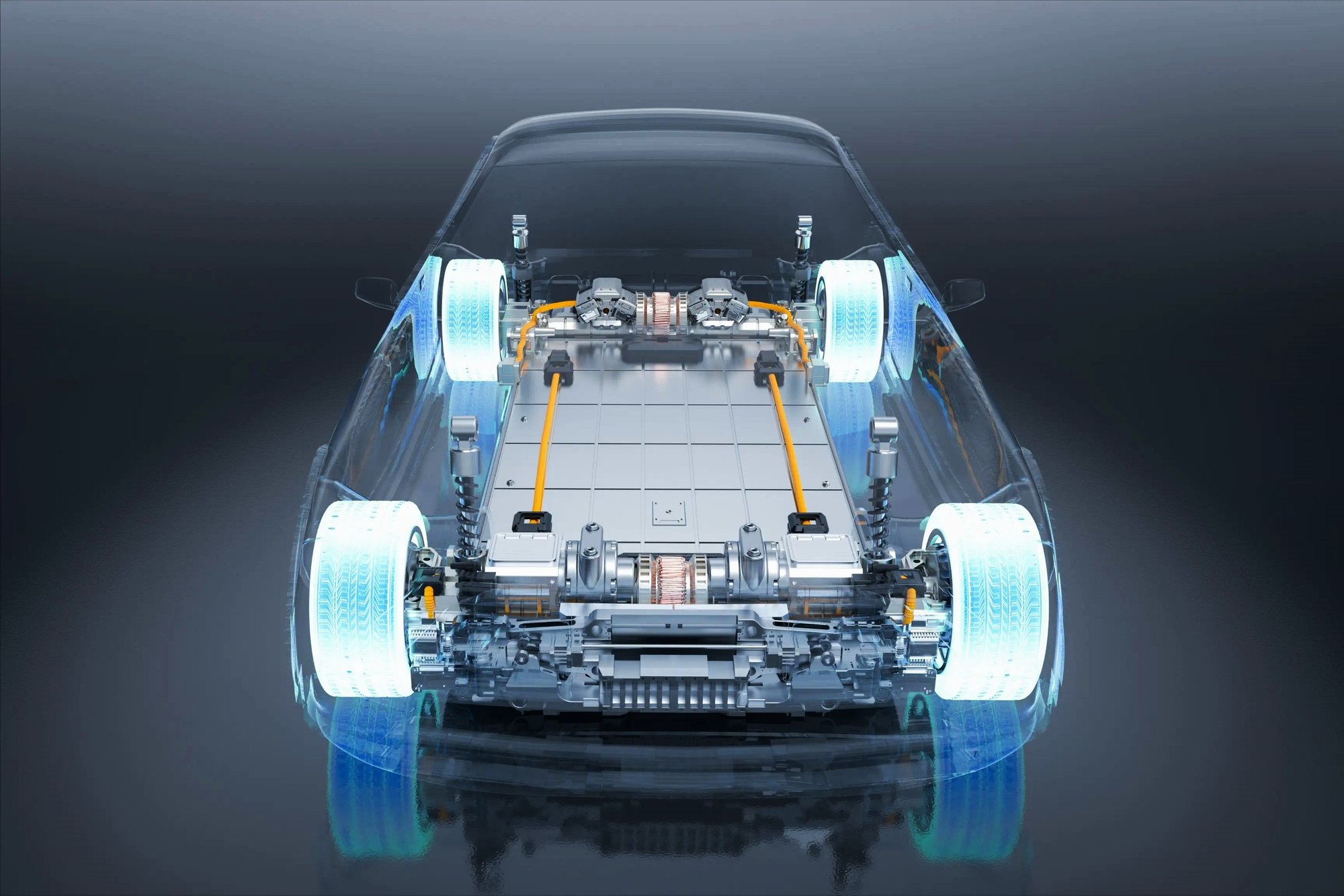
Let's paint a scenario: in the future, driving an all-solid-state battery car to the Northeast in winter, range won't be halved; on the highway, charging will be as fast as refueling; and most importantly, after a collision, you won't have to worry about "a single spark starting a prairie fire."
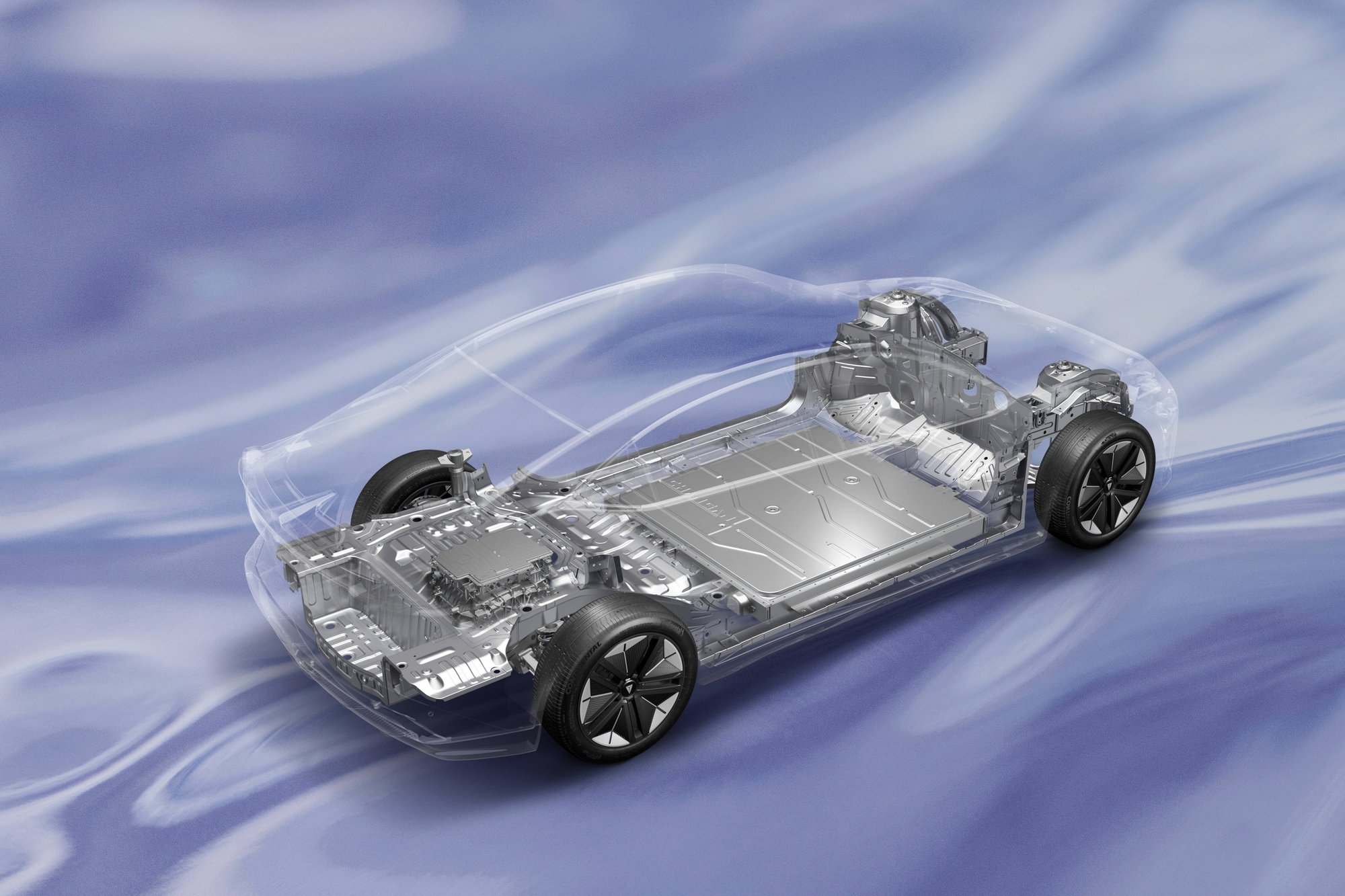
Of course, time for some cold water. The biggest hurdle for all-solid-state right now is the "interface problem." Solid-to-solid contact is like pressing two pieces of glass together—contact resistance is enormous, lithium ions face a "thousands of troops crossing a single-plank bridge" situation, and internal resistance is terrifyingly high. How to solve it? Make the cathode, anode, and electrolyte all nanoscale in thickness, turning "point contact" into "surface contact." This is a precision job that burns both money and brainpower.
Final thoughts
Here's a reminder to all the automaker bigwigs: stop burning resources on "semi-solid-state." The real finals arena is all-solid-state in 2027–2030. Whoever solves that "interface" physics challenge first will truly define the new energy landscape for the next decade. As for us ordinary car owners? Wait a bit longer—good things come to those who wait, and the real "ace in the hole" is still coming!