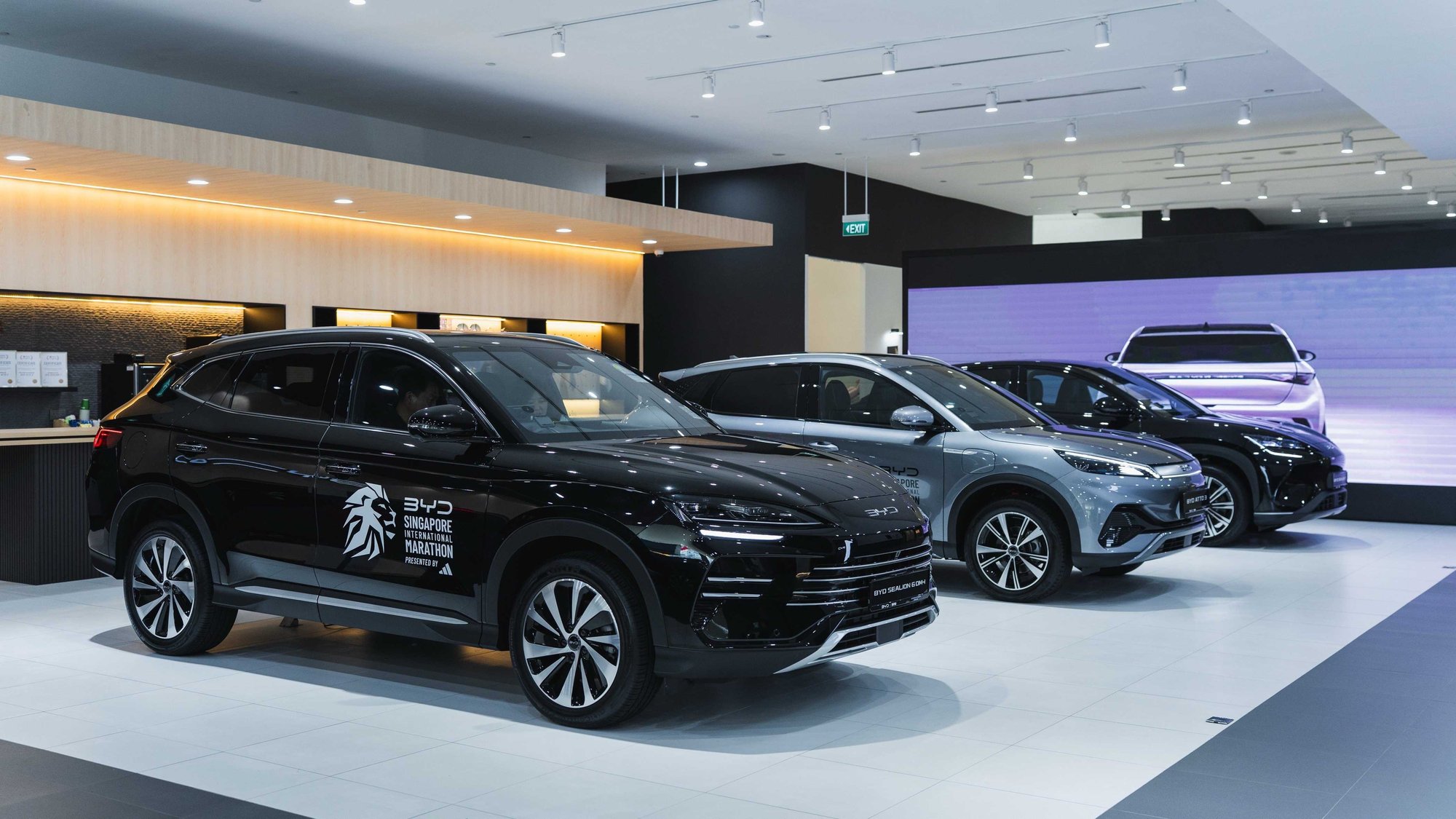
While washing my car over the weekend, the guy next to me kept sighing at his phone. His car, billed as the "ceiling of smart cockpits," had been driven for only a year and a half, yet the new model already came standard with urban navigation assist and an AI large-model voice assistant. People used to worry about their cars breaking down; now they worry about their cars becoming "outdated." This is not a joke—it is a real storyline unfolding in China's auto market. Under this "Fast and Furious" pace, where should the industry go?
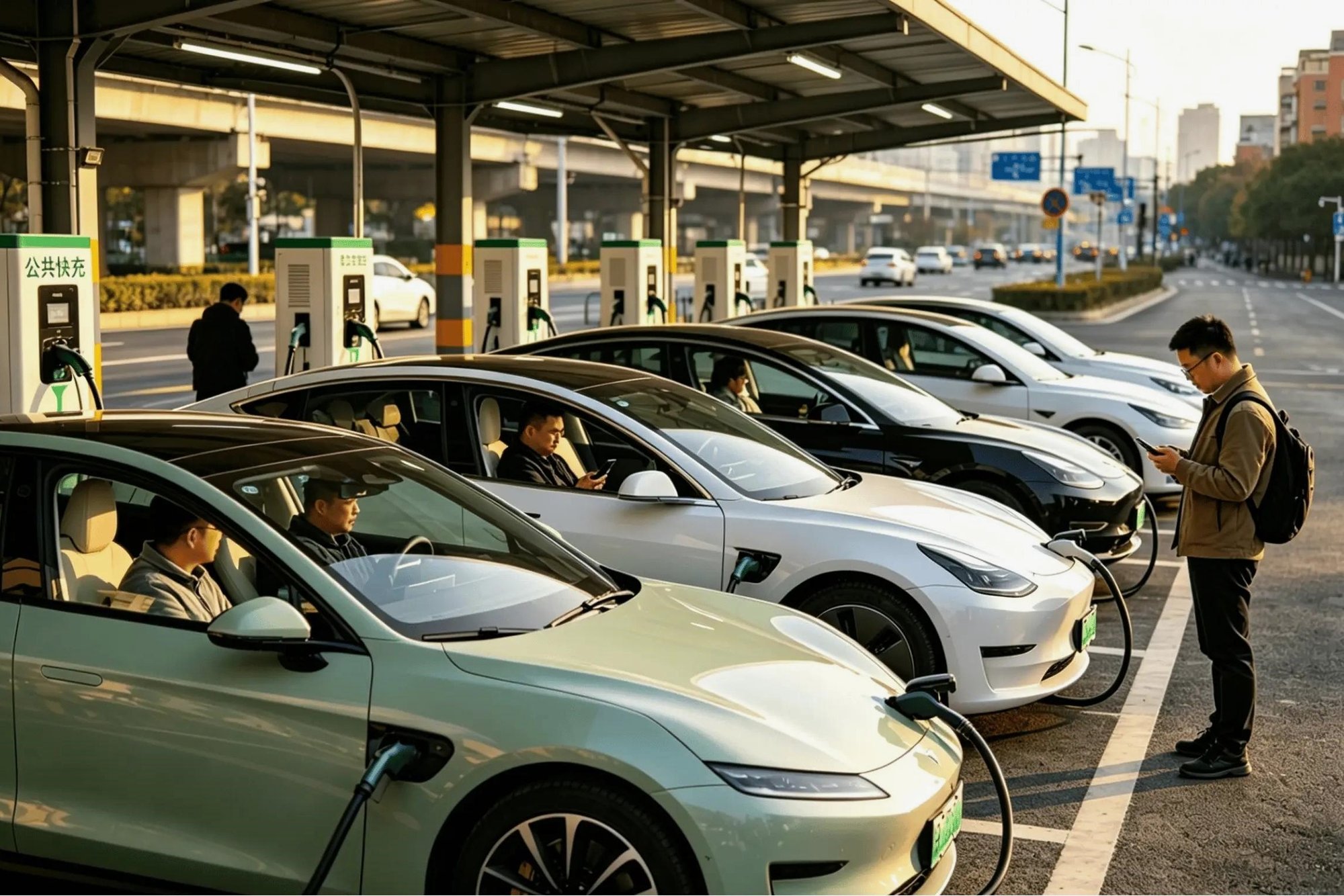
In the era of fuel vehicles, a joint-venture car could sell steadily for seven to eight years, with peak sales lasting four to five years, and automakers could earn handsome returns even with their eyes closed. What about now? Even when a product is still at its peak with monthly sales exceeding 10,000 units, a new model still quickly replaces it. It is not that the car cannot sell—it is that they dare not wait. The three electric systems are upgrading rapidly, pure electric range is getting longer and longer, and chip computing power has jumped from hundreds of TOPS to thousands of TOPS, with iteration speed comparable to that of mobile phones.
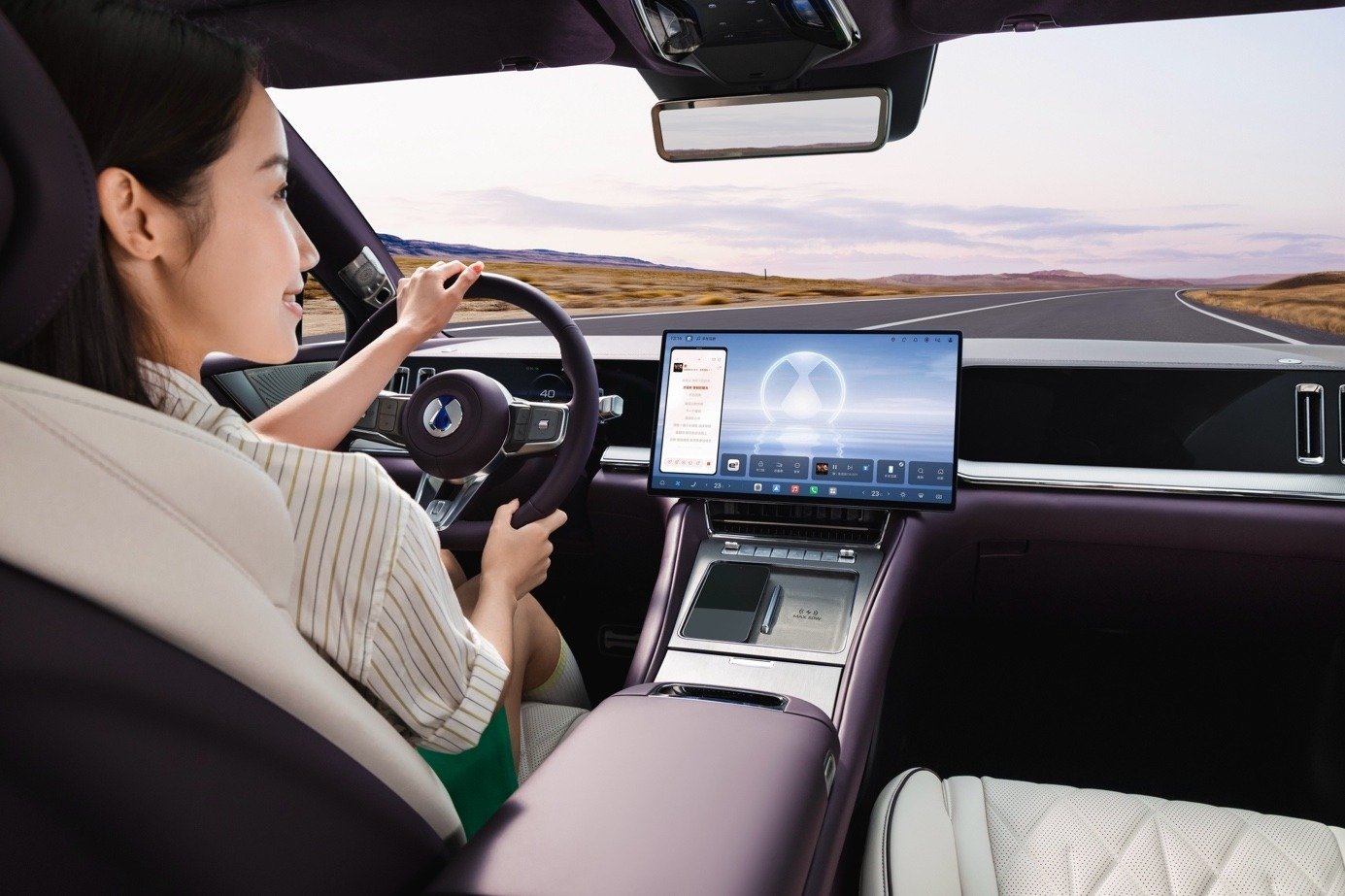
This transformation is making smart new energy vehicles look more and more like electronic products. Ten years ago, the smartphone replacement cycle shrank to its lowest point precisely because every generation brought a "qualitative leap." Today, new energy vehicles are likewise in a period of technological explosion, with solid-state batteries, L3 autonomous driving, and AI large models entering cars still queuing up for rollout. Every technological upgrade gives users a strong reason to change cars: it is not that the old car is bad, but that the new car is simply too attractive.
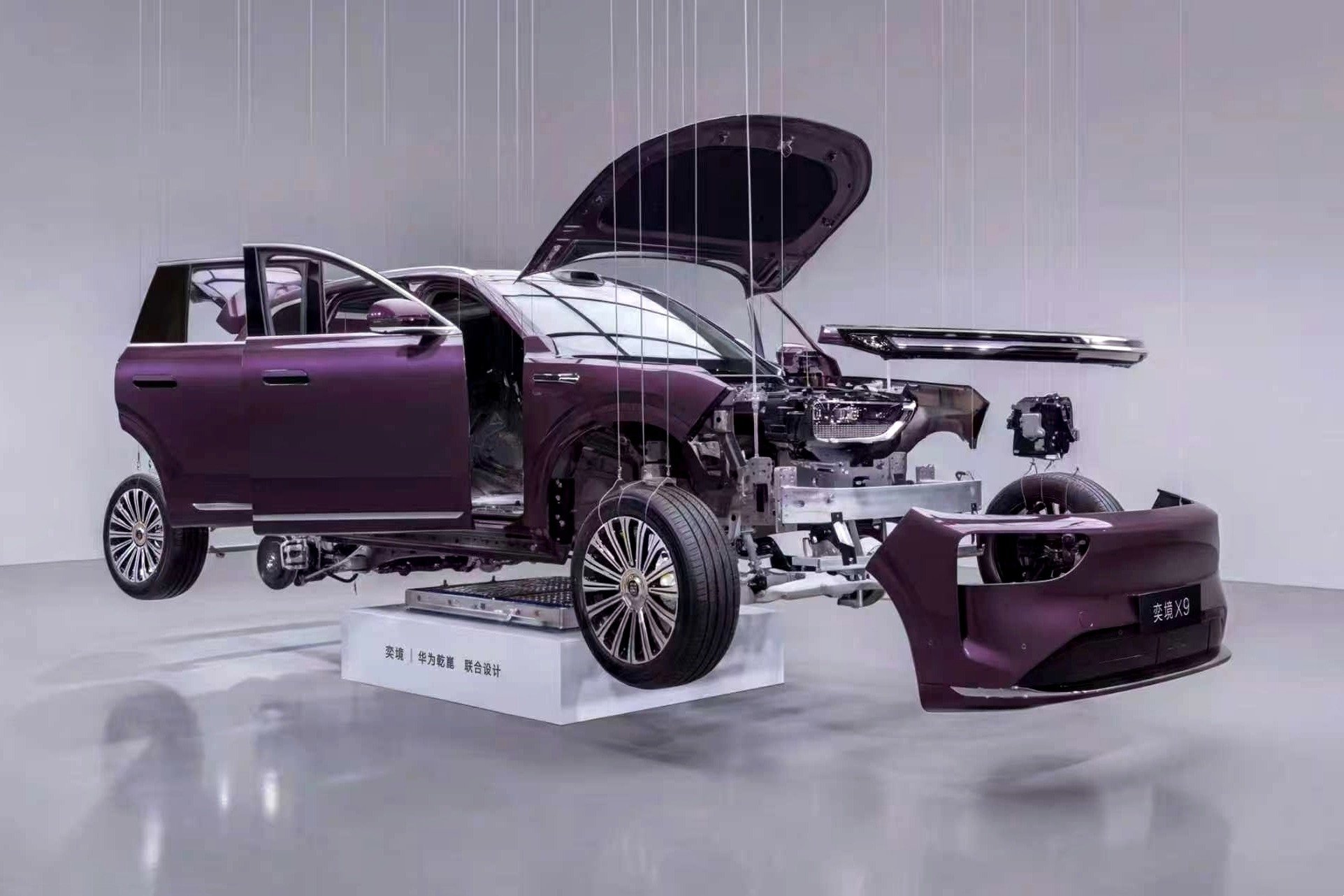
What is more brutal is that technical barriers are being rapidly flattened by the supply chain. Power batteries, lidar, and driver assistance all come from those few leading suppliers, and the technological starting points of all automakers are highly convergent. Coupled with the high-frequency flow of industry talent, the urban navigation assist you see on one model today may become standard on many models in the same class six months later. The window for differentiation has been compressed to a few months, and automakers can only maintain their presence by constantly launching new products.
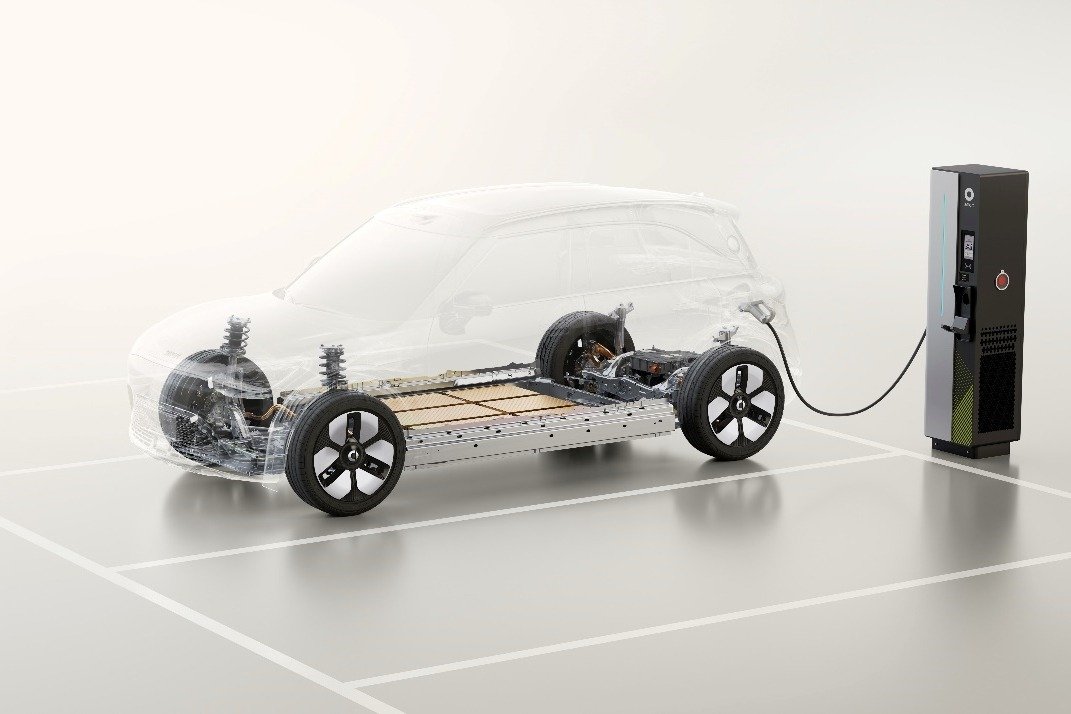
This has directly changed the automobile development model. The traditional rhythm of "grinding one sword for five years" means being outdated the moment a car hits the market today. China's leading automakers have compressed the full vehicle development cycle to about 24 months or even shorter. Supporting this speed is the modular decoupling brought by electrified platforms: batteries, motors, and electronic controls are developed in parallel according to standardized interfaces; software-hardware decoupling allows software iteration to no longer wait for hardware freeze; and virtual simulation shortens the validation cycle by more than 60%.
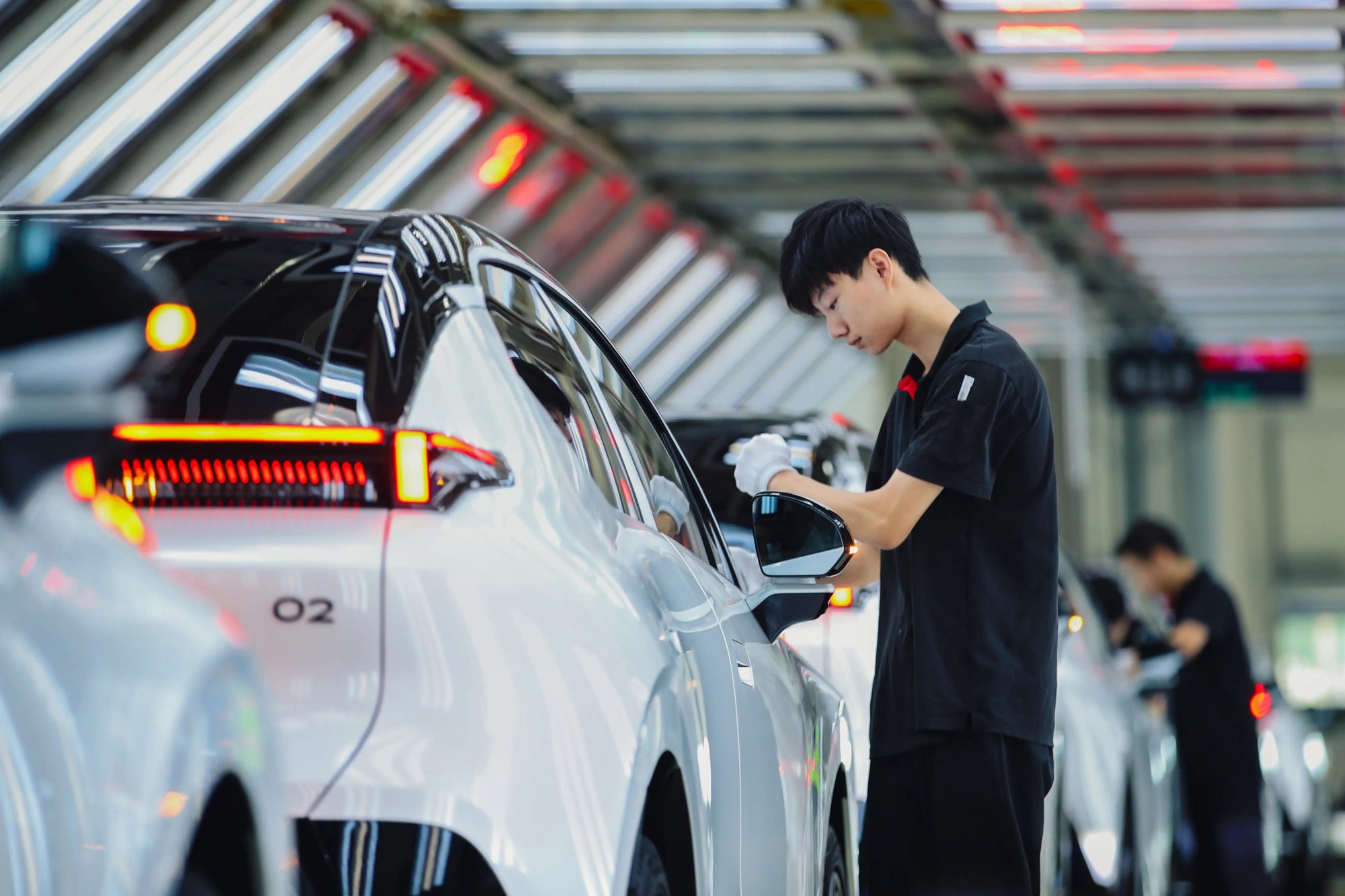
The supply chain, as a major participant, has also been drawn into the whirlwind in every way. In the past, suppliers waited for drawings before starting work; now they must intervene in co-creation at the conceptual design stage, with tooling and molds developed in advance. When automakers compress the R&D cycle to about 20 months, the slowest link in the supply chain becomes the bottleneck of the entire system, and no one wants to be last. Agility for suppliers has changed from a bonus item to a ticket to stay at the table.
Final thoughts
From the user's perspective, the tangible benefit of this transformation is that every two or three years they can enjoy the dividends of technological leaps without having to wait until the car is scrapped to buy a new one. But the other side of the coin is the rise in recall numbers and the decline in industry profits. Smart EV News believes that automotive R&D can be accelerated but cannot take shortcuts. The real winners in the future will be those companies that maintain quality, profit, and talent sustainability while being "fast."


