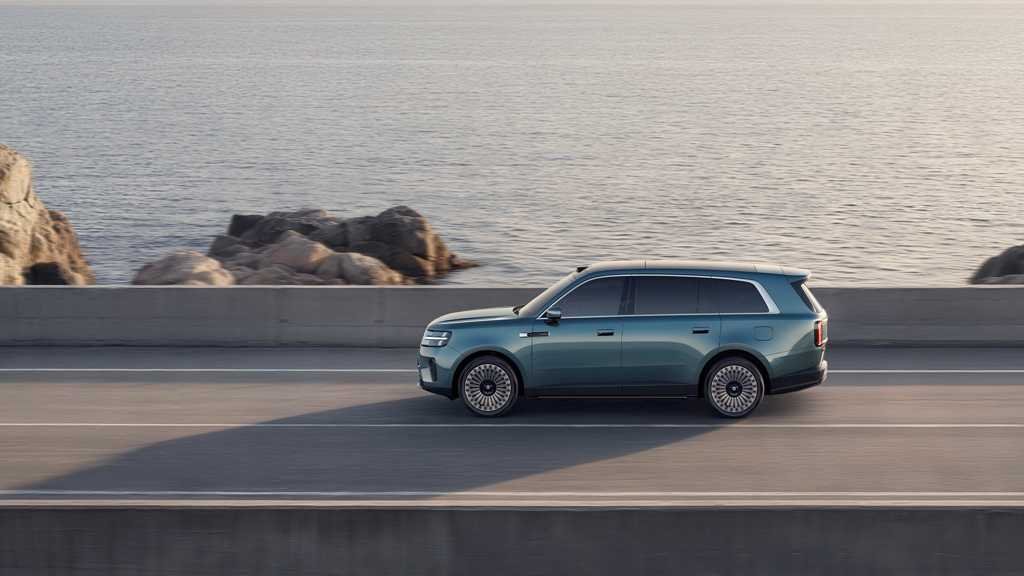
Xiaomi Auto recently confirmed that it will hold a technology launch event on July 30, where it will unveil the "Kunlun Technology Architecture" for the first time, with the Pengcheng series N90 Max and N70 Max extended-range SUVs making their debut simultaneously.
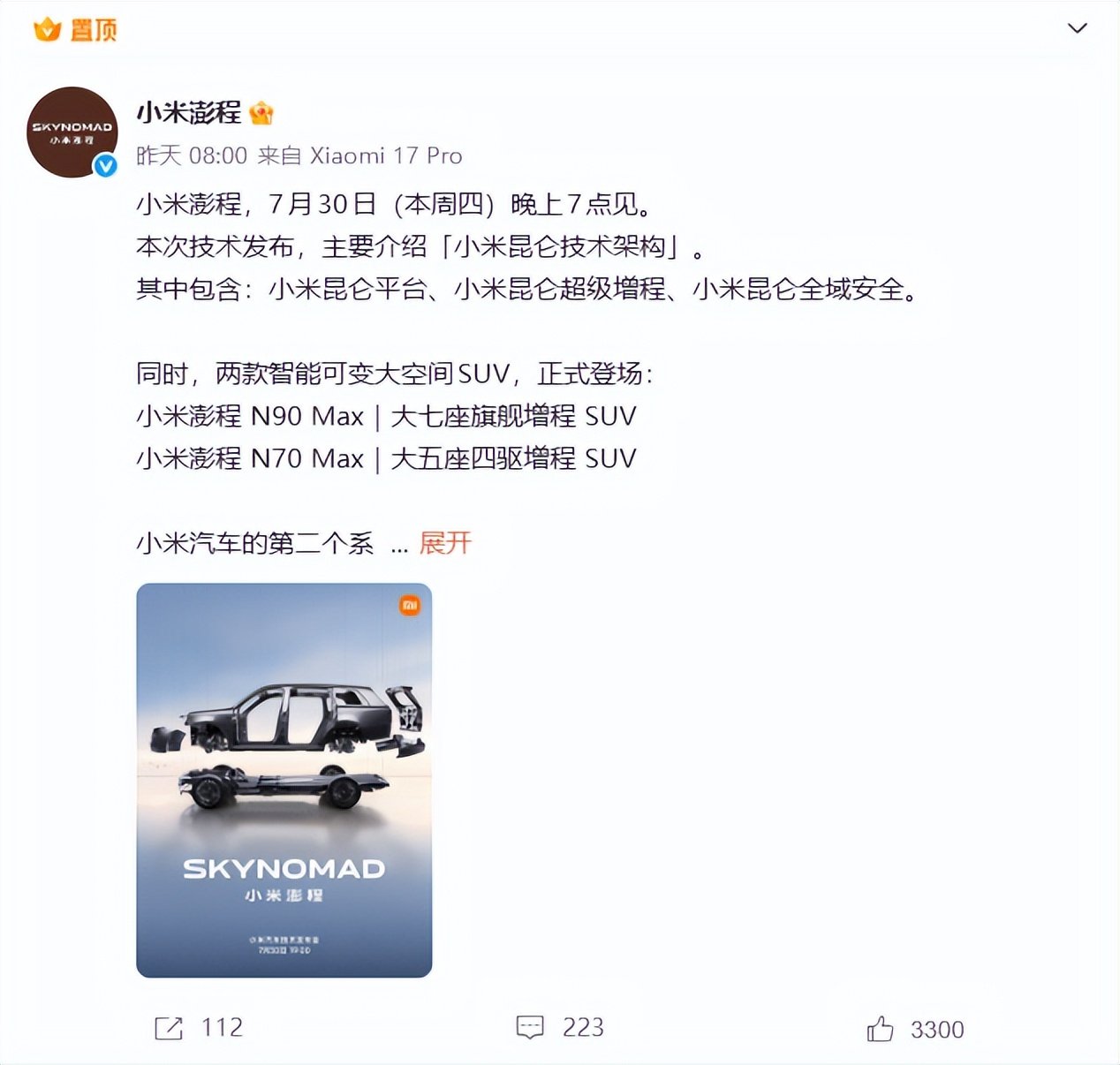
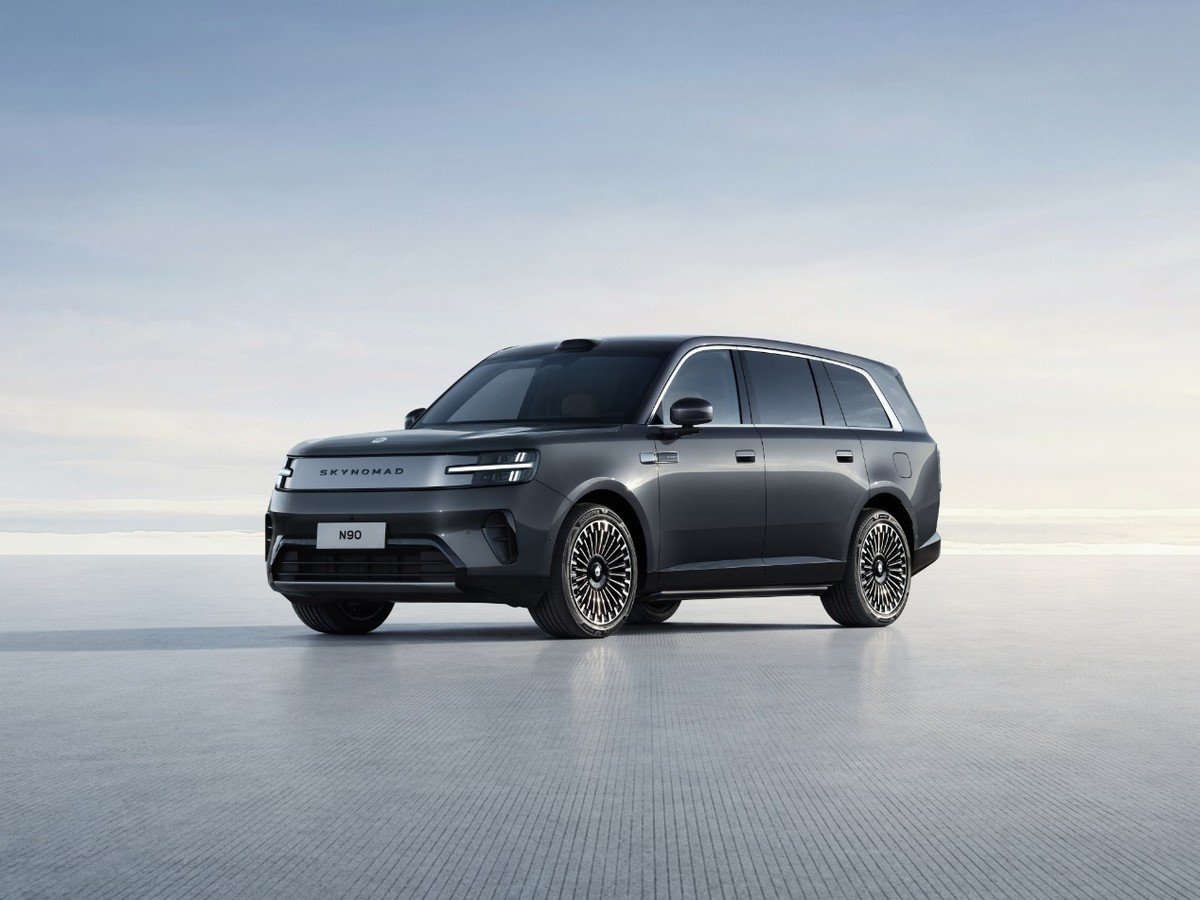
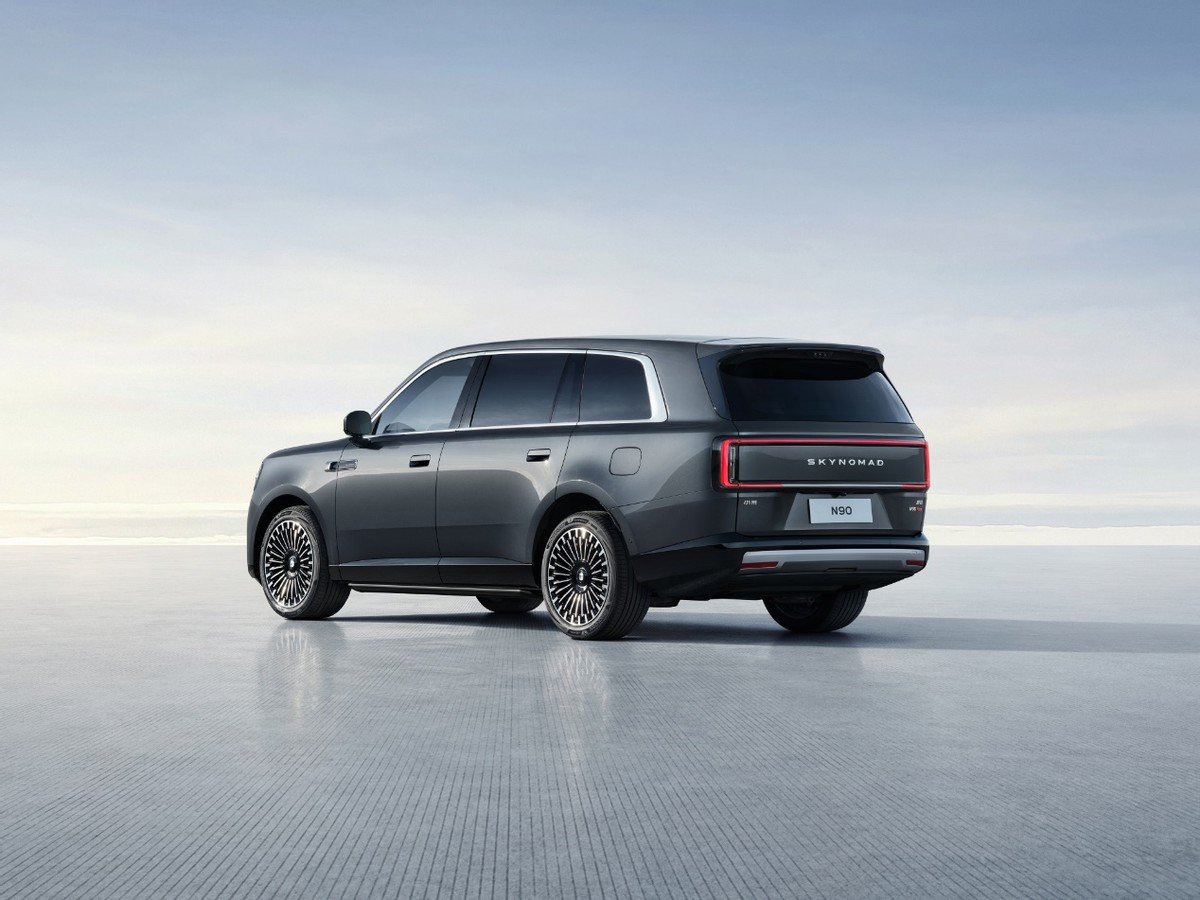
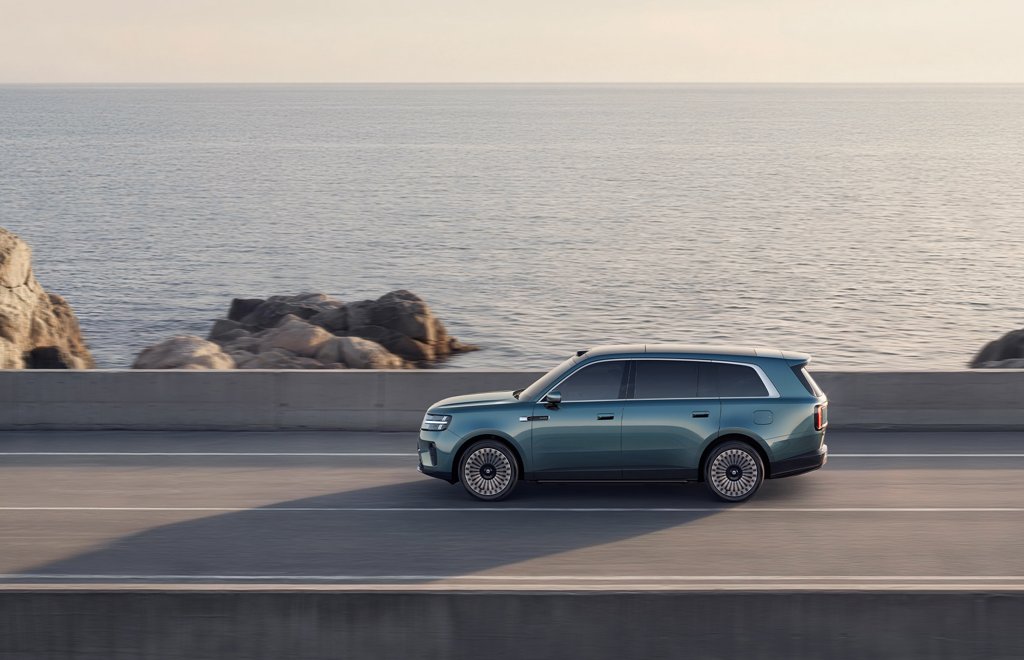
The two vehicles share a design language, with differences mainly in size and layout. The N90 Max is positioned as a full-size SUV, measuring 5,285 mm in length with a wheelbase of 3,080 mm, offering five-seat and seven-seat configurations as well as a camping edition with a retractable roof. The N70 Max is a mid-to-large five-seat SUV, measuring 4,960 mm in length with the same 3,080 mm wheelbase. Externally, a closed-off front fascia incorporates the "SkyNomad" badge, while the rear features a wraparound ring light bar, giving the overall design a clean style.
The cabin is built around the concept of a "living space." The seven-seat version of the N90 Max features a flat floor and front-to-rear through rails; the front seats can rotate 180 degrees, and the second row is equipped with zero-gravity seats. Tables can be mounted along the rails and adjusted for angle, and can also be placed on the sliding center island for use. The overhead screen supports front-to-rear movement, and the third row can mount tablets via expansion interfaces on the front seatbacks. When parked, this setup can be converted into work, meeting, or family scenarios. The camping edition uses a pop-up roof to create a rooftop resting platform.
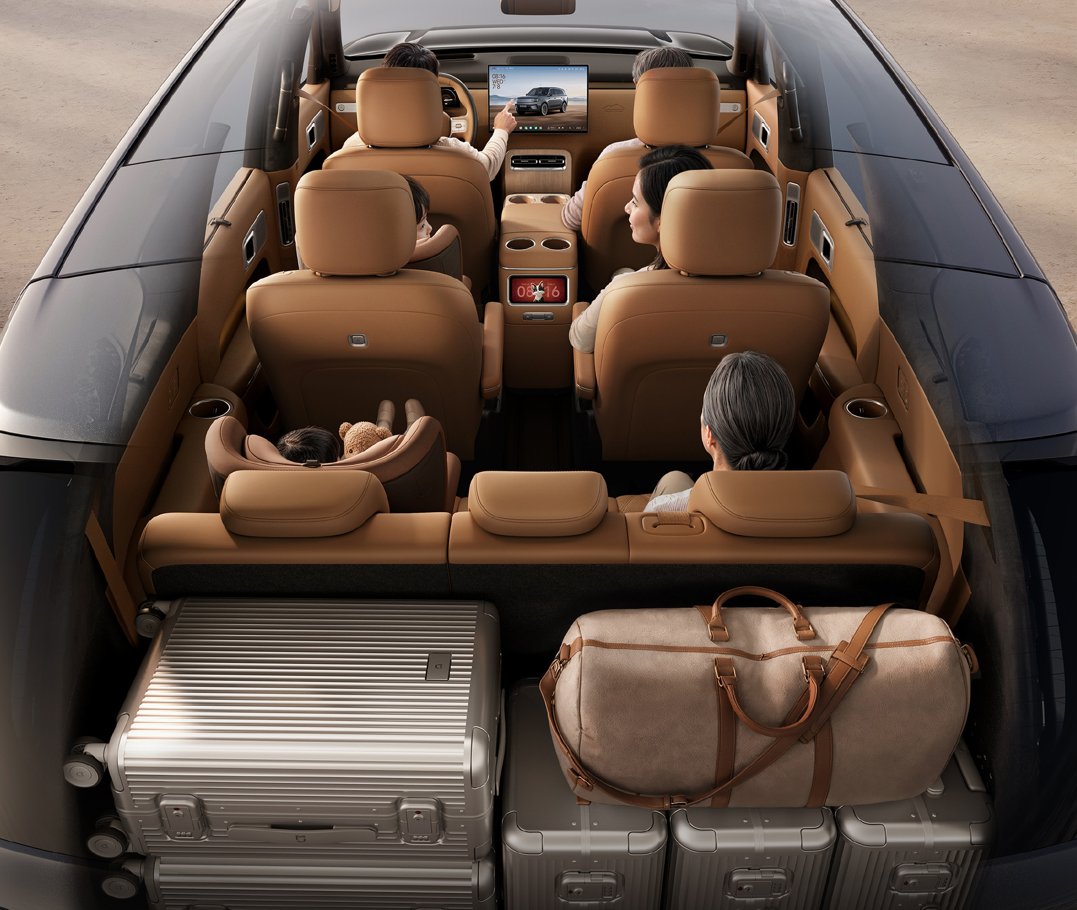
For the powertrain, both vehicles are equipped with a 1.5T four-cylinder range extender with a maximum power of 112 kW. The N90 Max features dual front and rear motors with peak power of 100 kW/210 kW, paired with a 76 kWh battery, offering approximately 370 km of WLTC electric range. The N70 Max offers a rear-drive single-motor and an all-wheel-drive dual-motor option; the rear-drive version's motor produces a maximum power of 210 kW, while the all-wheel-drive version's front and rear motors are identical to those of the N90 Max; two battery options of 52 kWh and 76 kWh are available, with WLTC ranges of approximately 270 km and 380 km, and the entry-level single-motor version sources batteries from CALB and Sunwoda.
Xiaotang's View:
Based on the information released so far, Xiaomi has not chosen to replicate its own existing successful template on the extended-range line. While competing products in the same class generally focus on adding size, range, and features, Xiaomi has devoted considerable thought to how space can be transformed and how scenarios can be played with. This rail system, combined with the logic of multi-scenario switching when parked, may well become the real highlight of this vehicle.


