Even by the end of 2026, advanced chassis features such as air suspension and MRC magnetorheological suspension have been gradually democratized, yet fully steer-by-wire active chassis systems remain rare in the mainstream price segment. What level does a minimum turning radius of 4.49 meters represent? Many A0-segment urban electric cars priced at 50,000–60,000 yuan still have turning radii of 4.6–4.9 meters.
The 2027 IM LS6 was launched in September 2026 as a mid-to-large all-electric SUV, with an official launch benefit price of 197,900–259,900 yuan. The new model comes standard across the lineup with the fully steer-by-wire Lingxi digital chassis and a rear-wheel steering system, with the Ultra four-wheel-drive version achieving a minimum turning radius of 4.49 m. For a family SUV approaching 5 meters in length, in addition to passenger space, the ability to easily make U-turns, park, and turn also affects the daily driving experience. What practical benefits does this actively coordinated chassis control technology actually deliver?
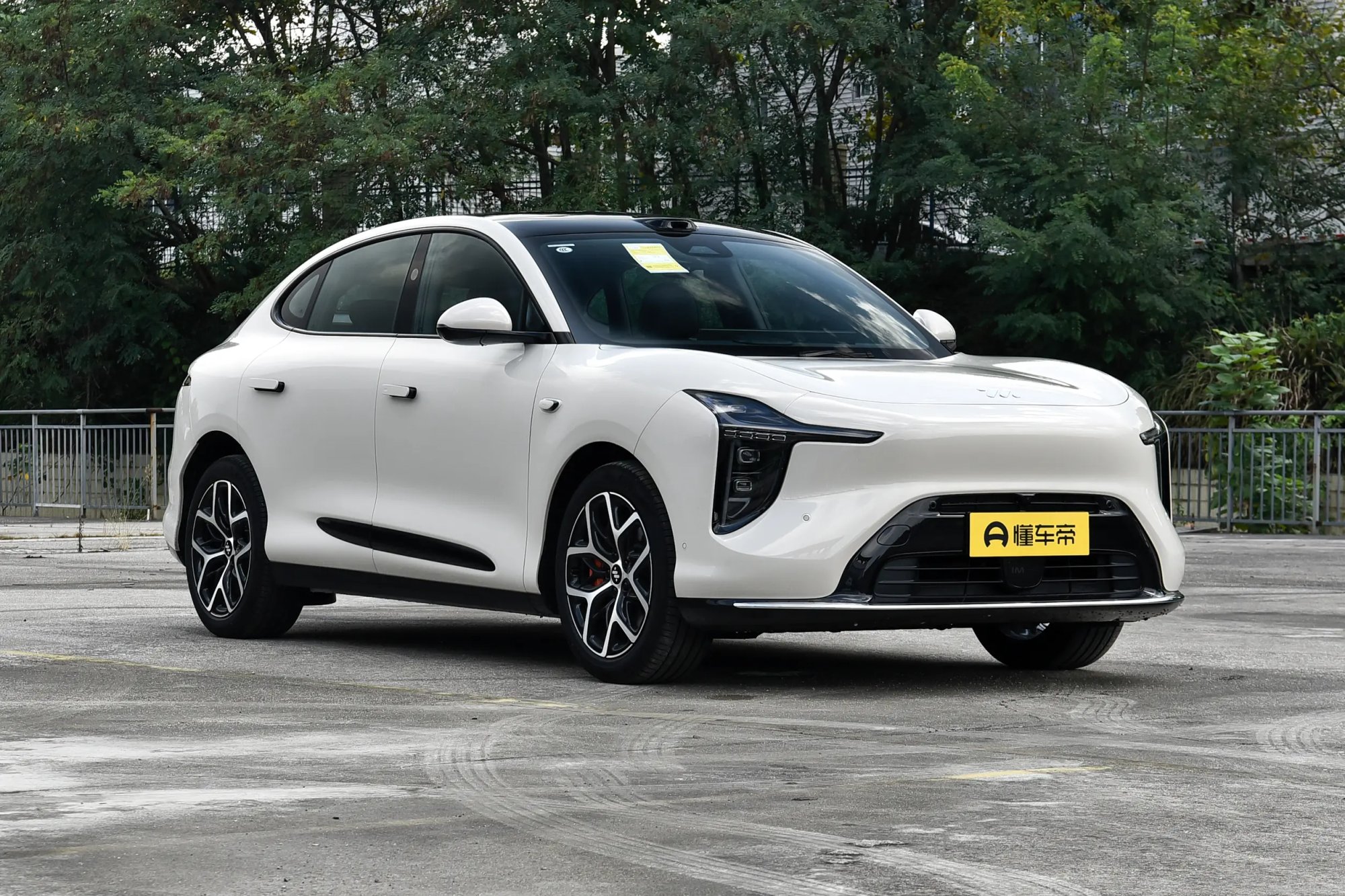
The IM LS6 features a closed grille at the front, flanked by T-shaped Falcon headlight clusters whose upper edges connect with the curves of the hood, while a larger trapezoidal air intake is positioned below. Horizontal trim strips are added at the bottom of the front bumper, and the front end creates visual differentiation through surfaces at different levels. Lighting equipment includes LED high and low beams, automatic headlights, adaptive high and low beams, and delayed headlight shutoff, meeting the lighting needs for daily nighttime driving and after parking.
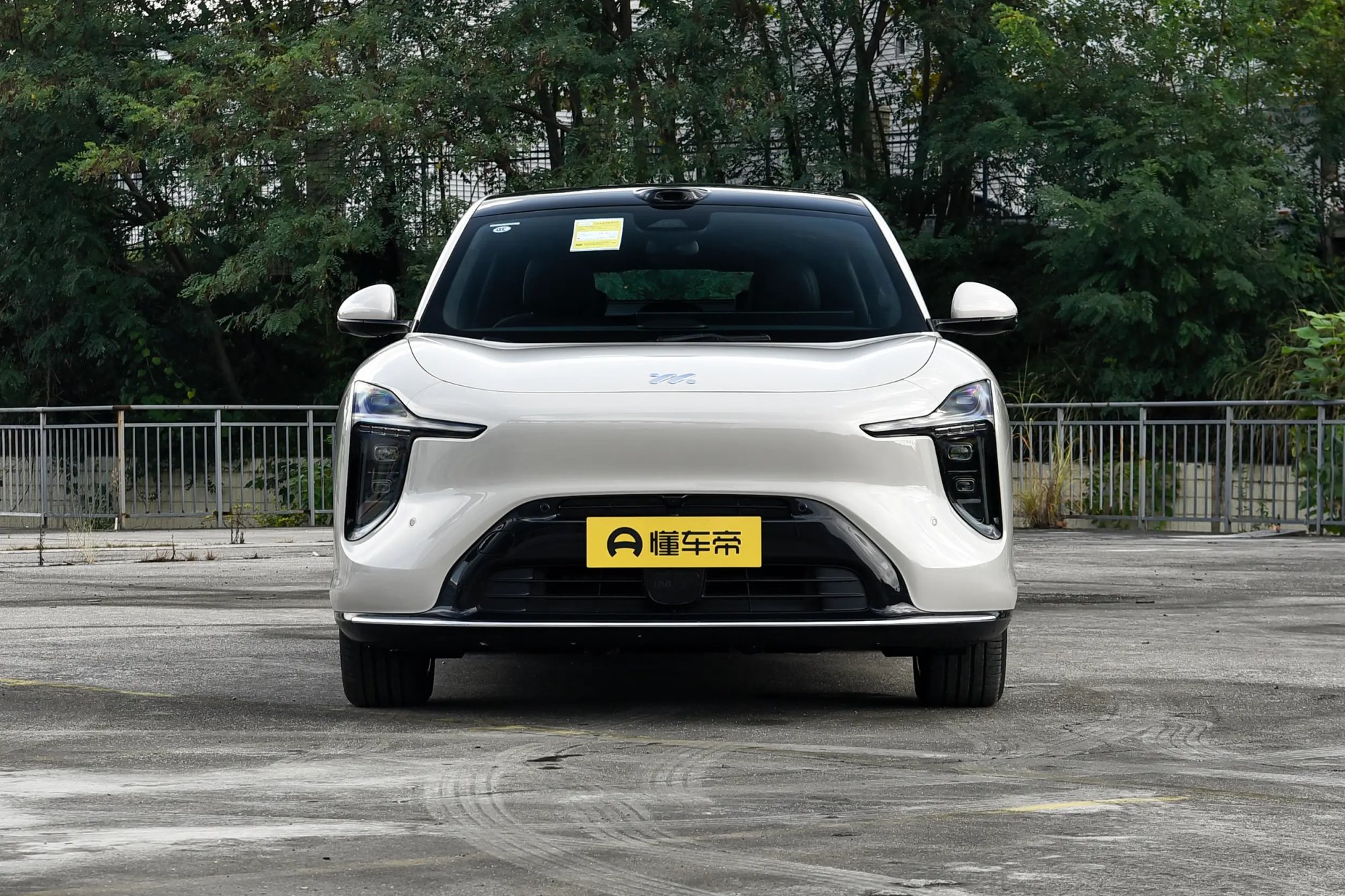
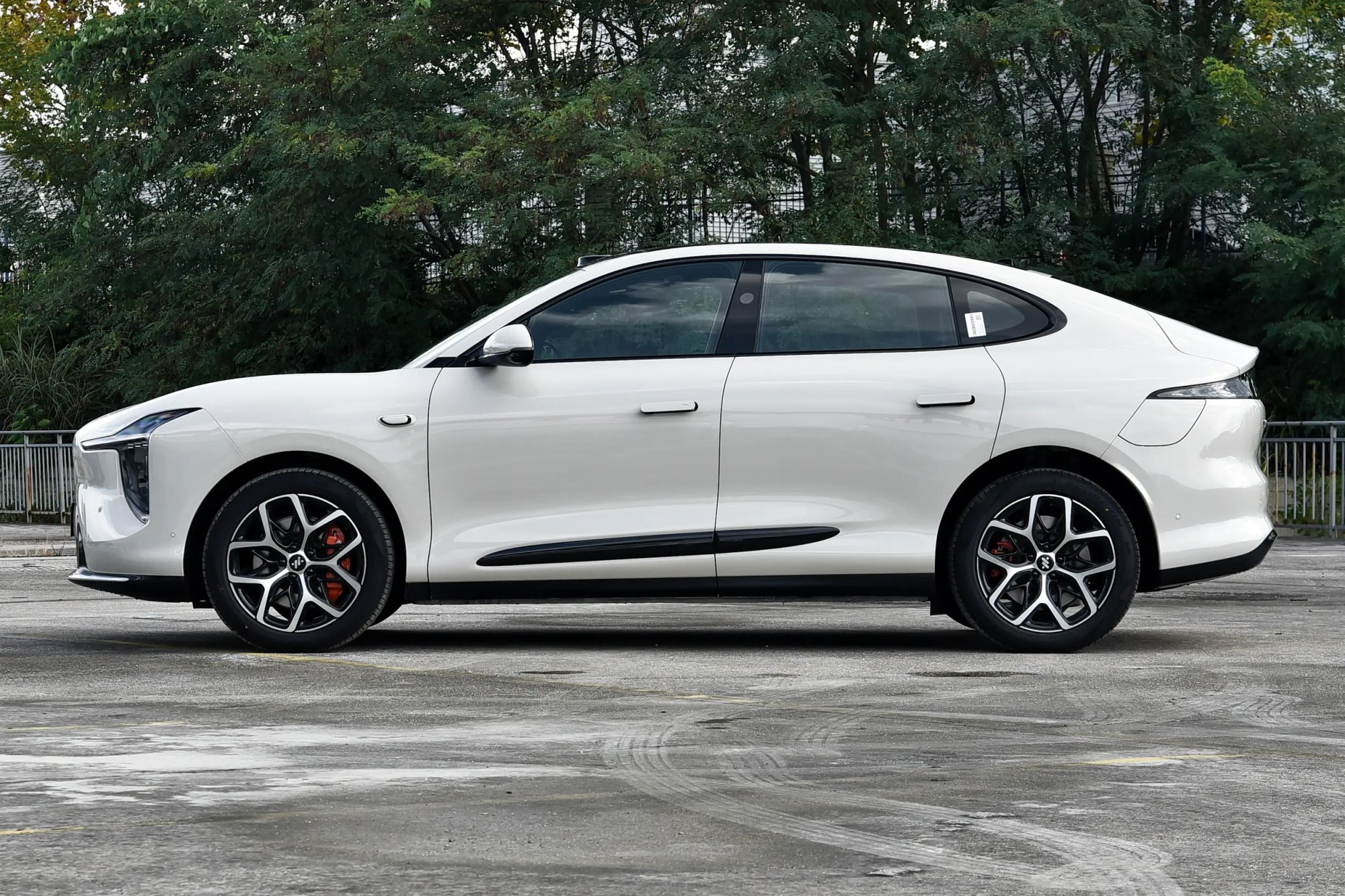
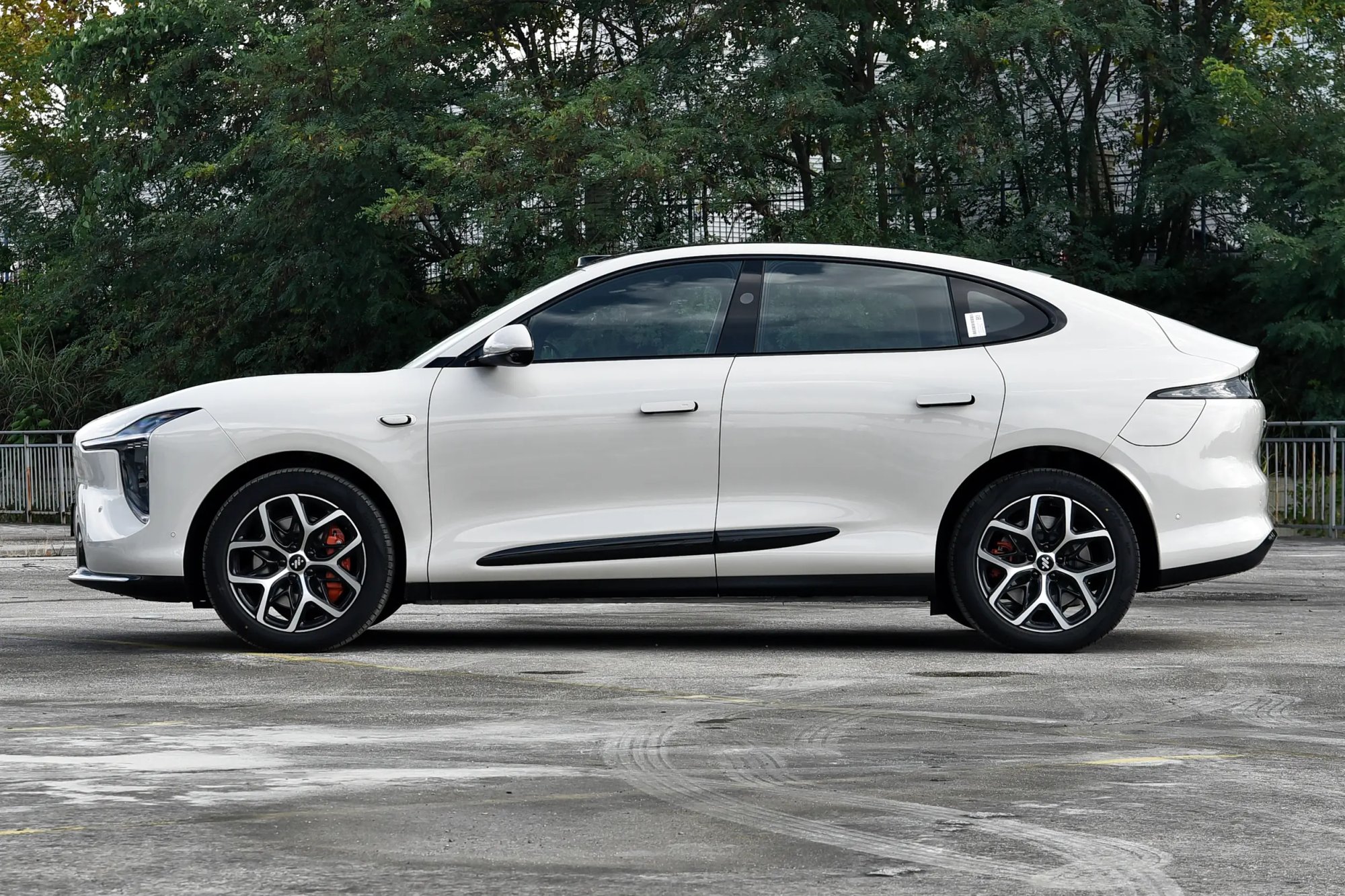
The body side adopts a coupe-SUV profile, with the roofline gradually sloping downward toward the rear, paired with frameless doors, hidden door handles, and two-tone aluminum alloy wheels. The vehicle's length, width, and height are 4937/1988/1671 mm respectively, with a wheelbase of 2960 mm, and front and rear tires are both sized 235/50 R20. A width approaching 2 meters benefits lateral space layout but also places certain requirements on parking space width. The standard four-wheel steering system across the lineup is precisely aimed at addressing the steering needs of a large body on narrow roads.
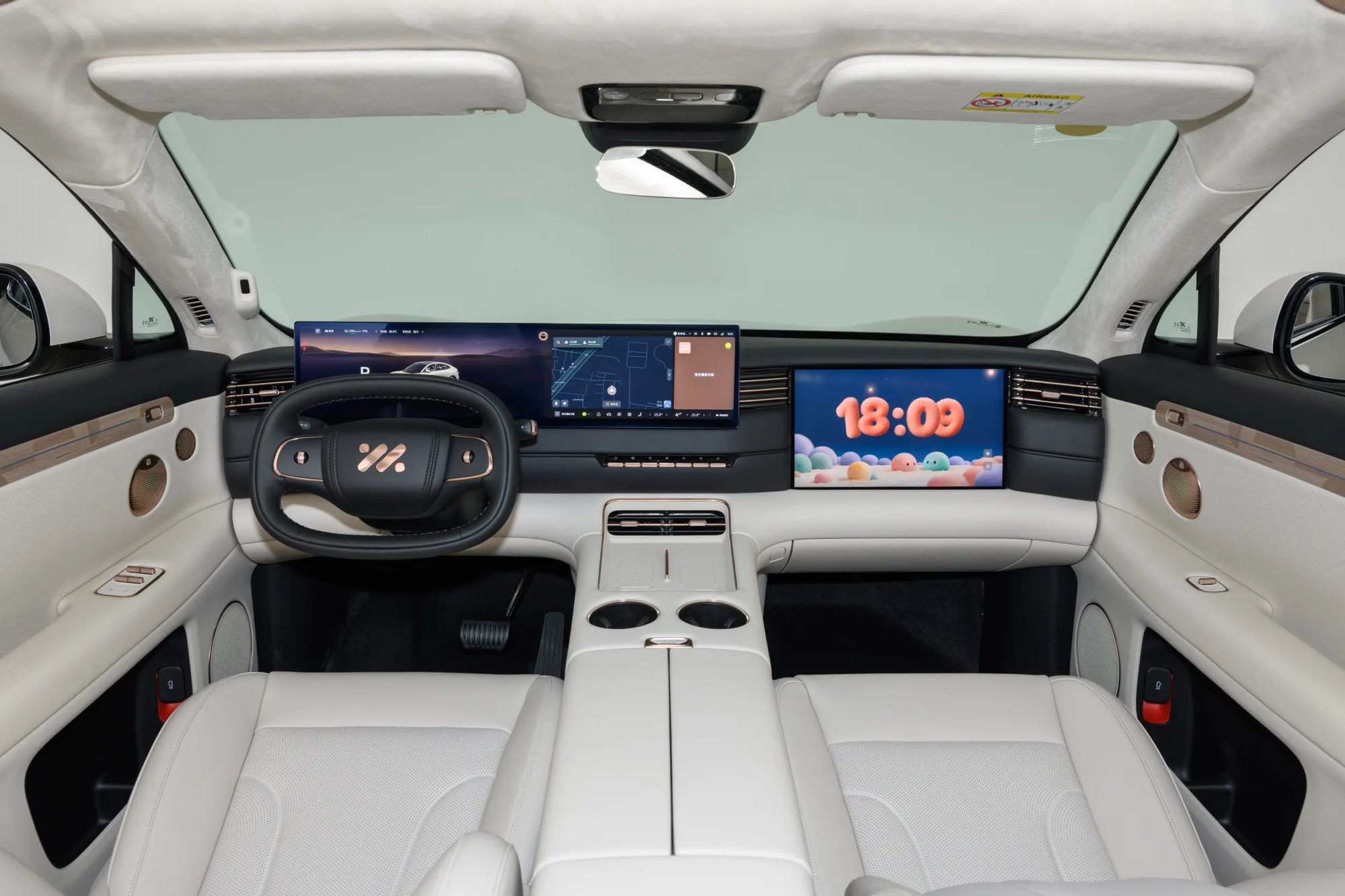
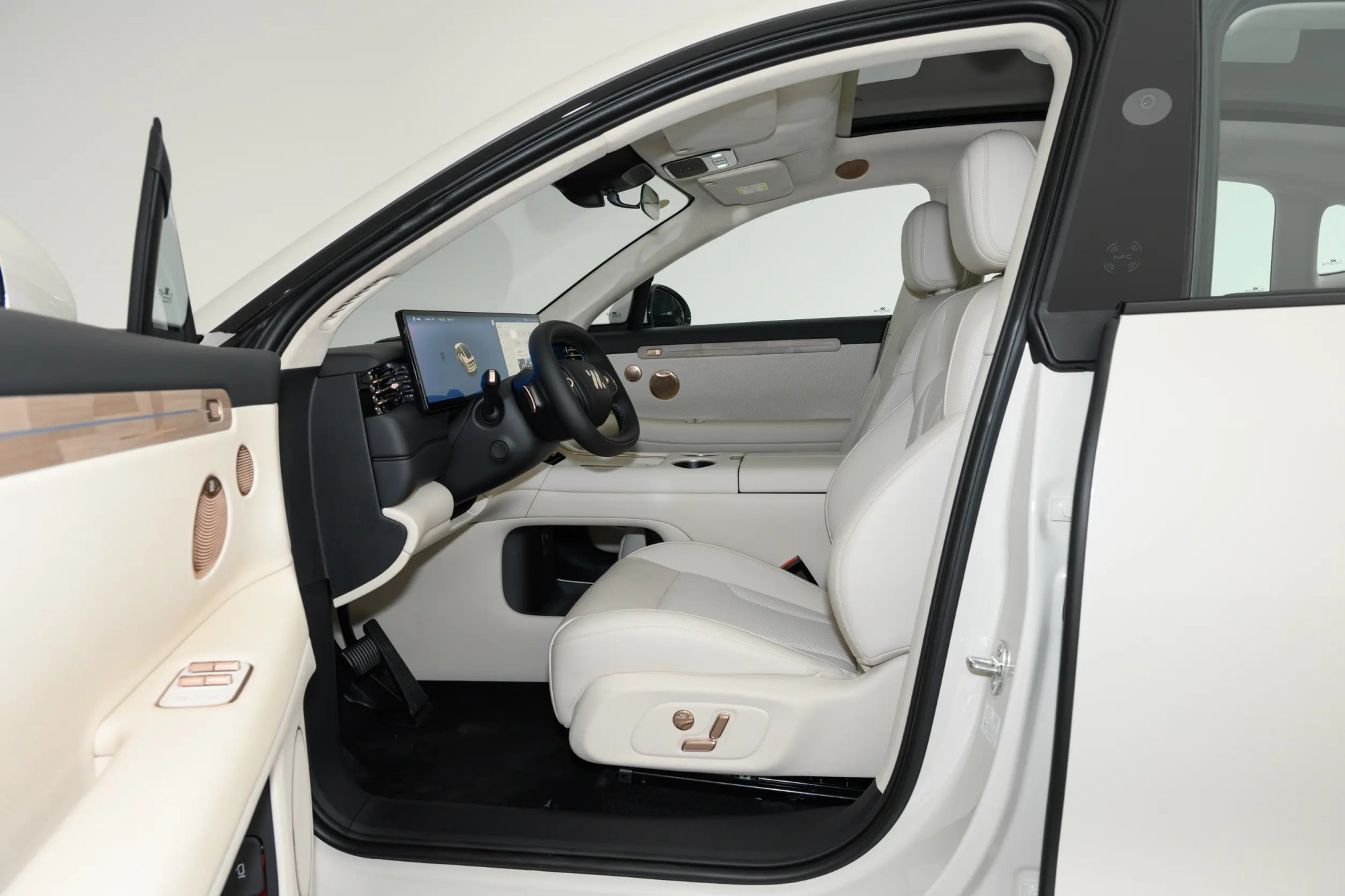
The cabin adopts a wraparound design, with a 27.1-inch 5K MiniLED dual-screen setup positioned ahead of the driver, powered by a Qualcomm Snapdragon 8295P chip running the IM AIOS system. The vehicle supports voice control, OTA updates, and smartphone connectivity including CarPlay and HUAWEI HiCar, and introduces the IM Claw intelligent agent, which can recognize continuous in-cabin operation requests through natural language. The front passenger can also opt for a 15.6-inch 3K entertainment screen, providing front-row passengers with an independent audio-visual display area.
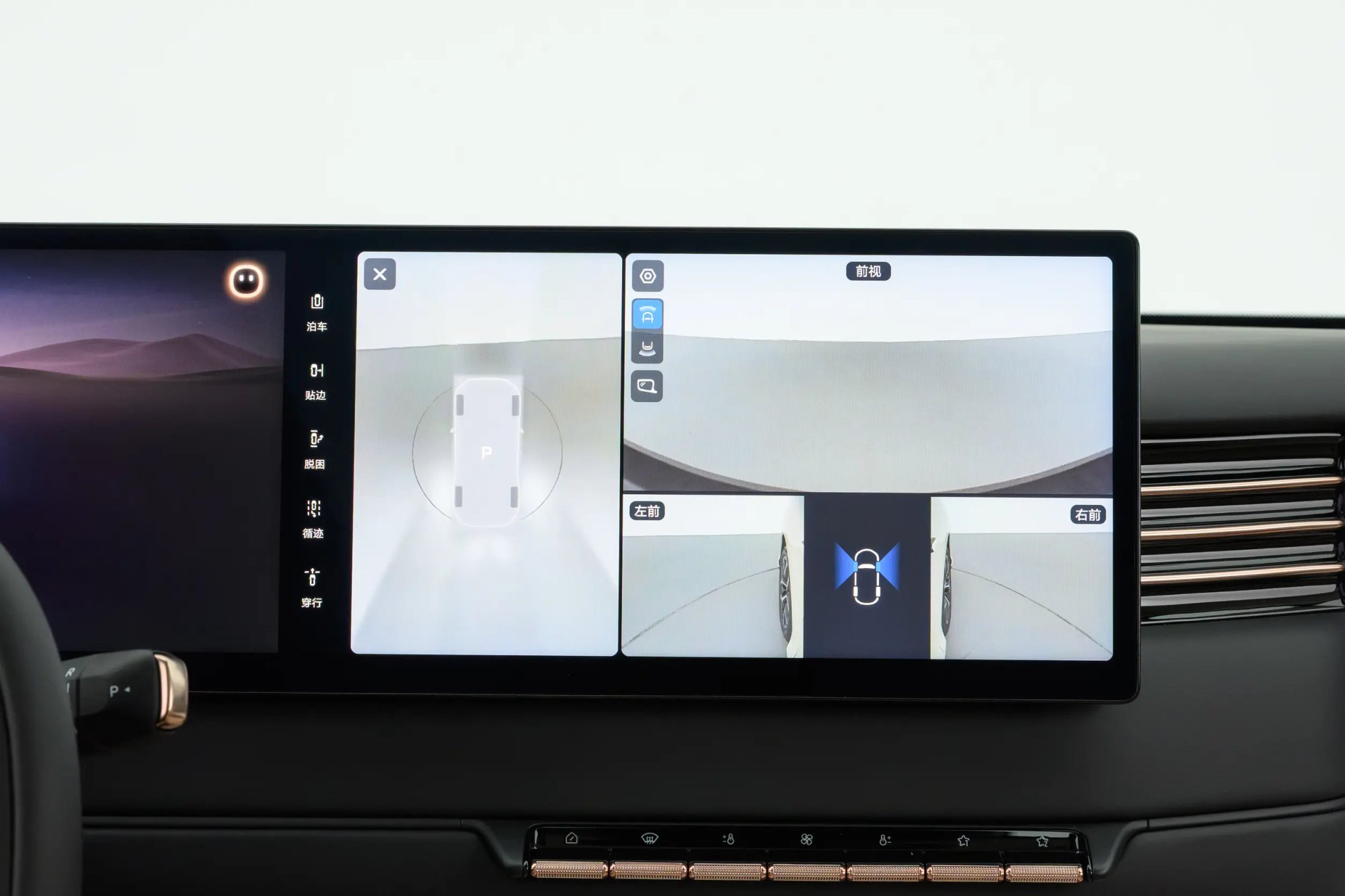
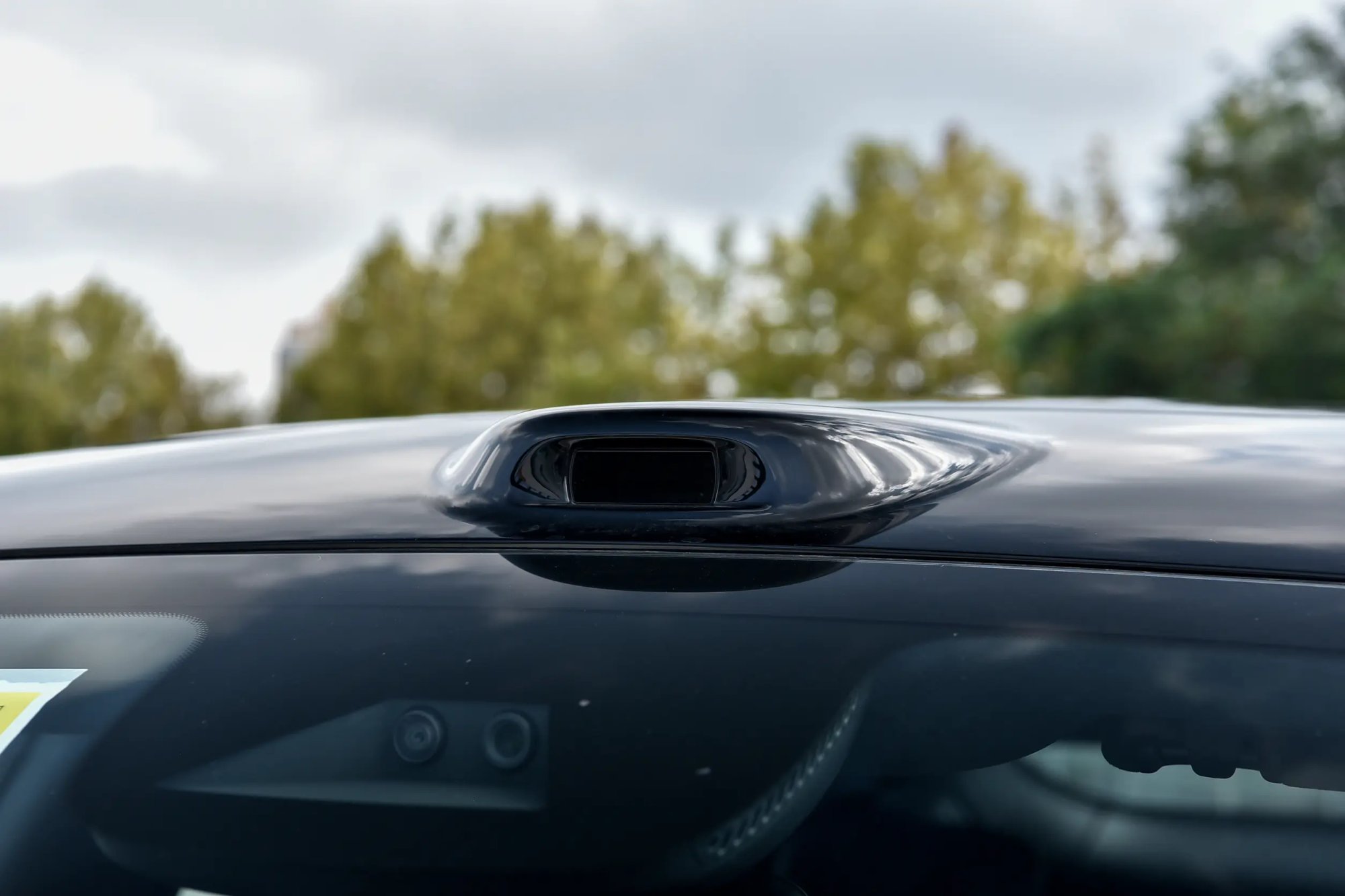
Driver assistance features include a 520-line LiDAR, 360° surround-view camera, front and rear parking sensors, and the IM AD Zeta driver assistance system, offering highway navigation assist, urban navigation assist, and automatic parking functions. For a wide mid-to-large SUV, the surround-view camera helps the driver observe obstacles around the vehicle, while automatic parking is mainly used to reduce the operational burden in complex parking spaces; the driver still needs to supervise vehicle operation.
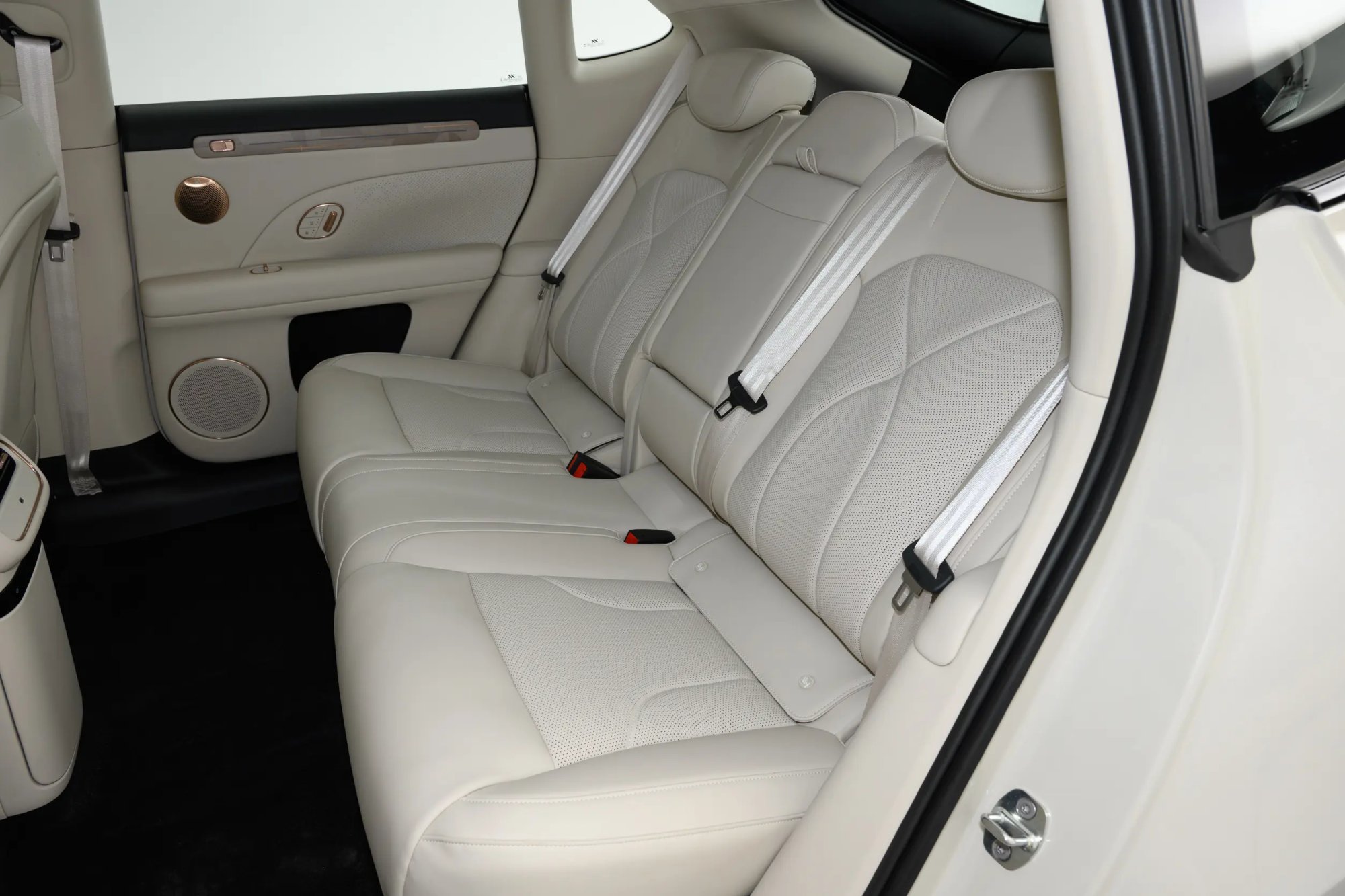
The IM LS6 adopts a five-seat layout, with the driver's seat featuring 4D mechanical massage, the front row supporting power adjustment, heating, ventilation, and other functions, and the rear seatback supporting up to 131° electric stepless adjustment. The vehicle is equipped with a Danish B&O audio system, and the all-electric version also has a 105L front trunk, with a standard rear cargo volume of 636L. For users who frequently travel with family, the five-seat space and front-rear partitioned storage design help balance passenger accommodation and luggage loading.
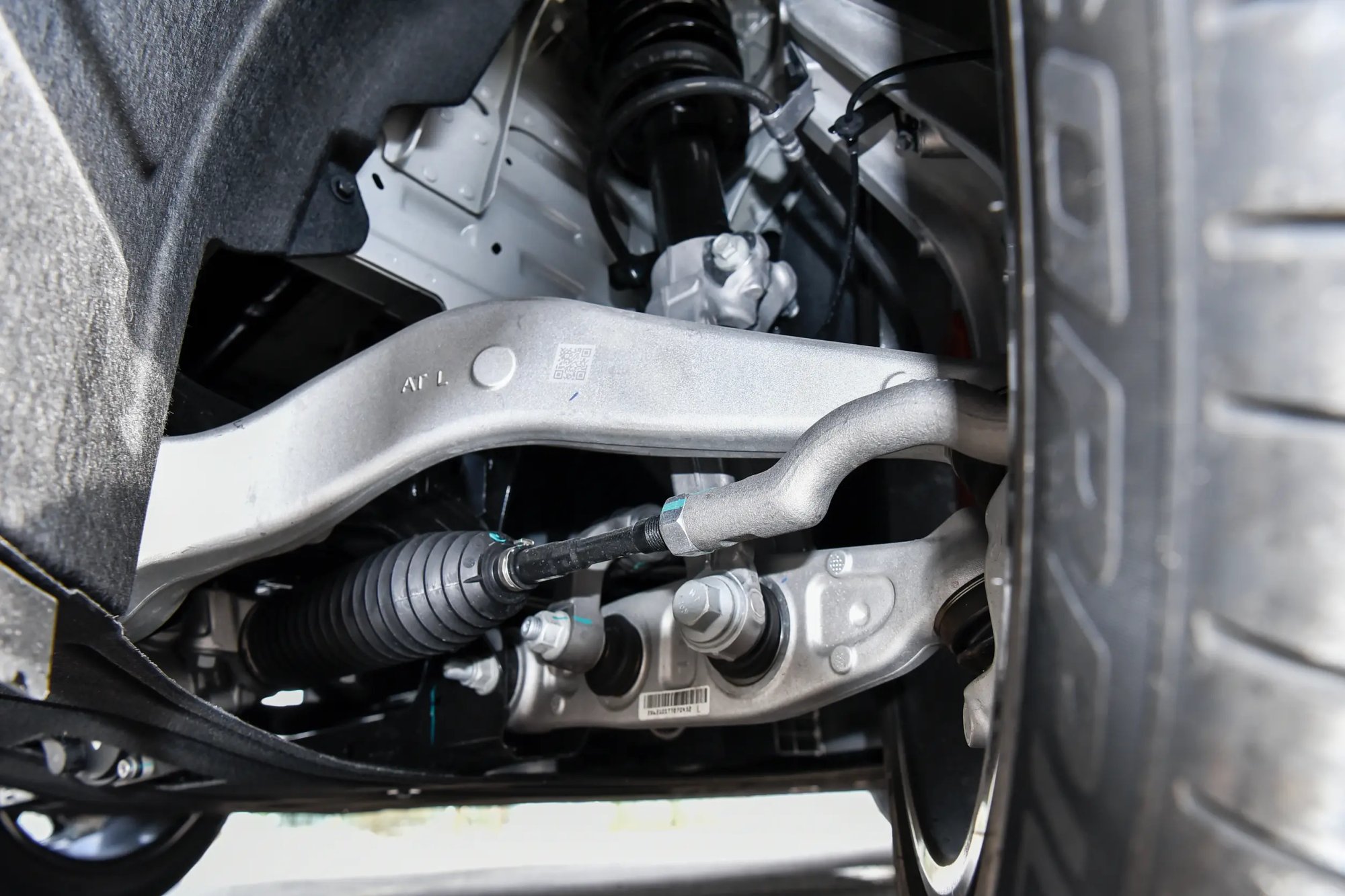
In terms of the chassis, the IM LS6 adopts front double-wishbone independent suspension and rear multi-link independent suspension, and comes standard across the lineup with the next-generation fully steer-by-wire Lingxi digital chassis. Unlike traditional structures that rely on mechanical connections to transmit part of the driving inputs, the steer-by-wire system participates in steering, braking, and other control processes through electronic signals. The vehicle is also equipped with SynVector full-domain steer-by-wire vector torque coordination control technology, with an official control response time of 20 milliseconds, enabling coordinated control of steering, braking, and drive systems.
Rear-wheel steering is the most directly practical feature of this chassis. During low-speed turns, the rear wheels can steer in coordination with the front wheels in different ways, thereby reducing the space required for the vehicle to turn. The 2027 IM LS6 Max and Pro Max rear-wheel-drive models both have a minimum turning radius of 4.79 m, while the Ultra four-wheel-drive version reduces it to 4.49 m. For an SUV with a length of 4937 mm, this parameter directly affects U-turns at narrow intersections, turning in underground garages, and the vehicle's trajectory through consecutive curves.
Chassis control also offers three-level steering ratio adjustment, which can change the correspondence between steering wheel rotation angle and wheel steering according to driver habits. The Ultra version further provides air suspension and variable damping adjustment, capable of adjusting body height and shock absorber damping. It should be noted that the steer-by-wire chassis and rear-wheel steering are standard across the lineup, while the 4.49 m turning radius and air suspension correspond to higher-spec versions, so the purchase value of the two is not entirely the same.
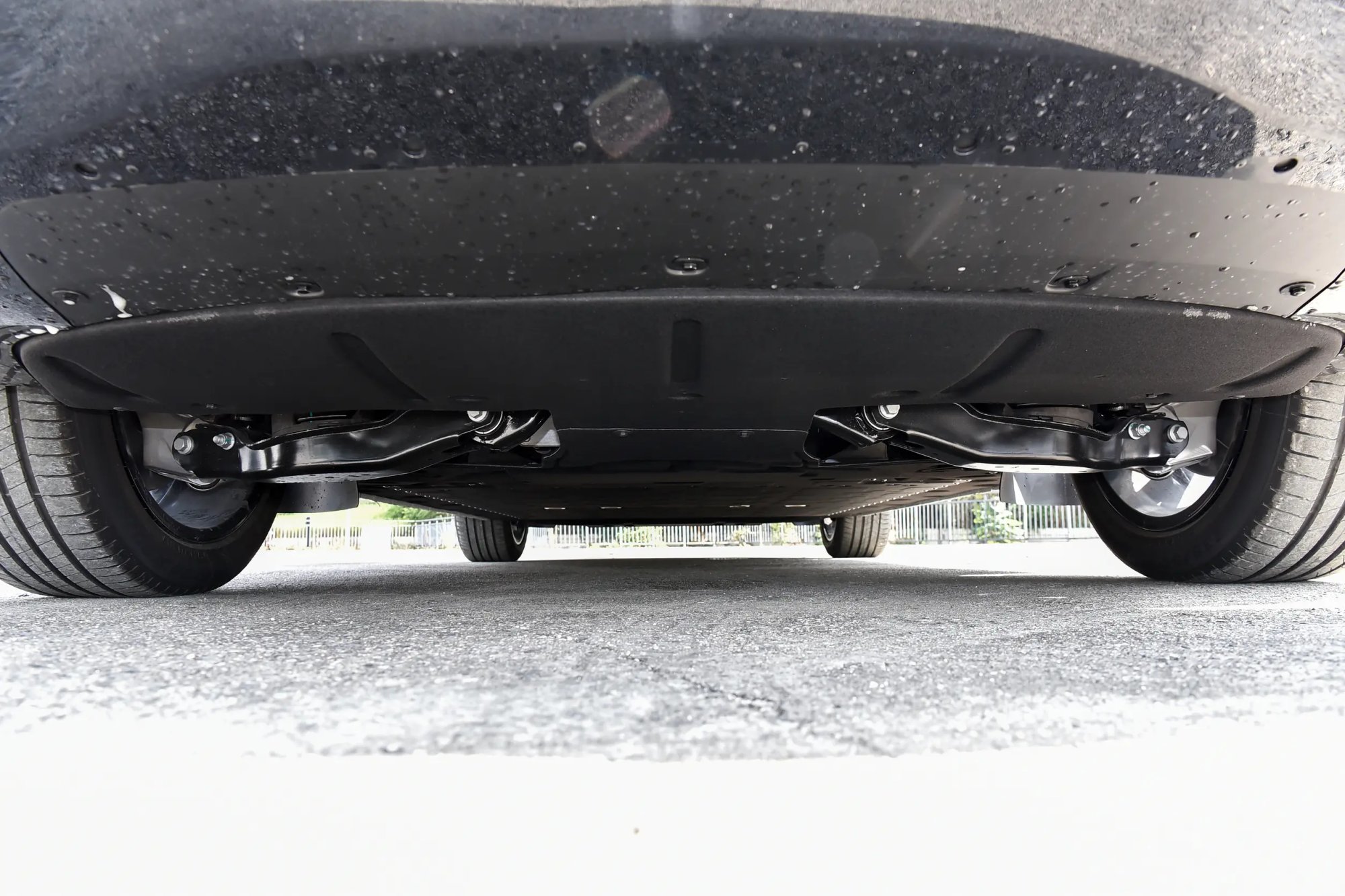
In terms of power, the all-electric Max uses a rear-mounted single motor with a maximum power of 245 kW (333 Ps) and maximum torque of 430 N·m, with an official 0-100 km/h acceleration time of 6.4 seconds. The Pro Max also adopts a rear-mounted rear-drive layout, with maximum power increased to 300 kW (408 Ps) and maximum torque of 500 N·m, with an official 0-100 km/h acceleration time of 5.4 seconds. Both rear-drive power versions are equipped with a single-speed electric vehicle transmission, with the main difference being the level of power output.
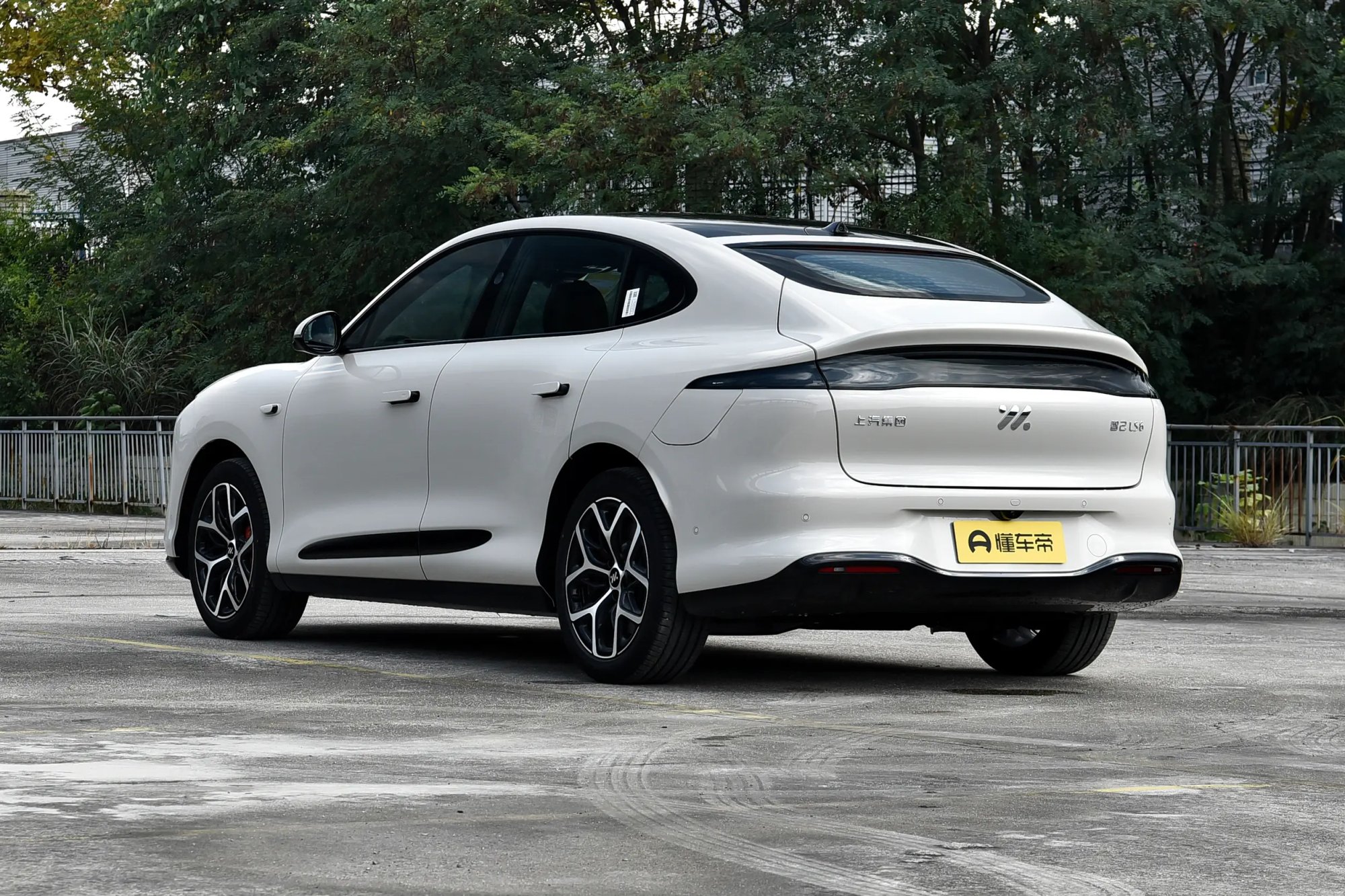
The Ultra version adopts front and rear dual-motor four-wheel drive, with a total system power of 500 kW (680 Ps) and total torque of 800 N·m, with an official 0-100 km/h acceleration time of 3.48 seconds. In terms of batteries, the Max is equipped with a 76 kWh lithium iron phosphate battery with a CLTC range of 650 km; the Pro Max features a 93 kWh lithium iron phosphate battery with a CLTC range of 782 km; the Ultra uses a 103 kWh ternary lithium battery with a CLTC range of 750 km. The three versions respectively emphasize purchase threshold, long range, and high performance, allowing consumers to choose based on travel distance and power needs.
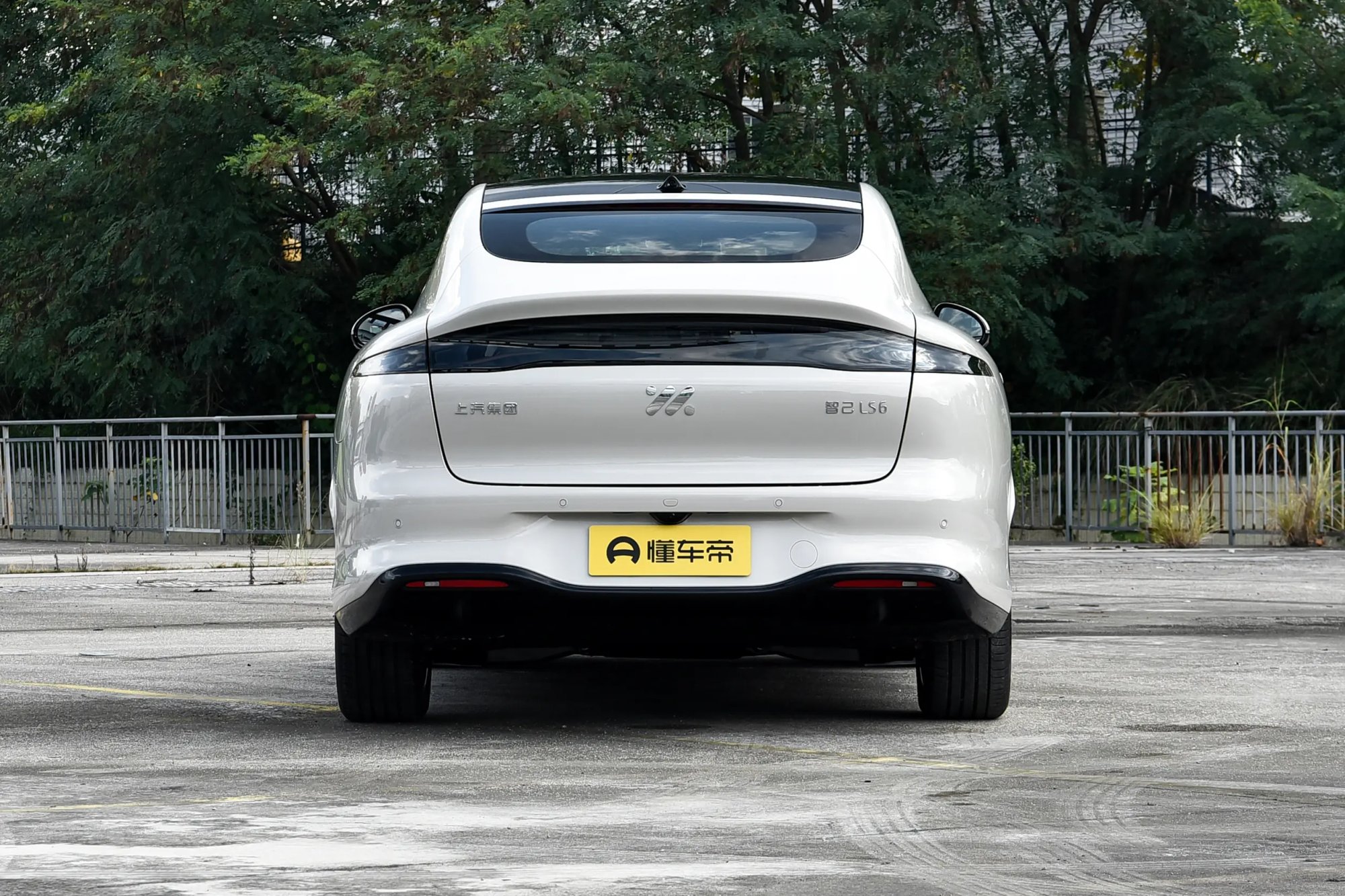
The IM LS6's chassis configuration reflects a relatively clear product orientation: the entire lineup offers a steer-by-wire chassis and rear-wheel steering, while the Ultra further reduces the turning radius to 4.49 m and adds features such as air suspension. For families who frequently enter and exit underground garages and need to make U-turns on narrow city roads, rear-wheel steering has concrete practical value. If you mainly drive on urban roads, do you think the 4.79 m rear-drive version is already sufficient, or is the 4.49 m Ultra four-wheel-drive version more worth the extra budget?