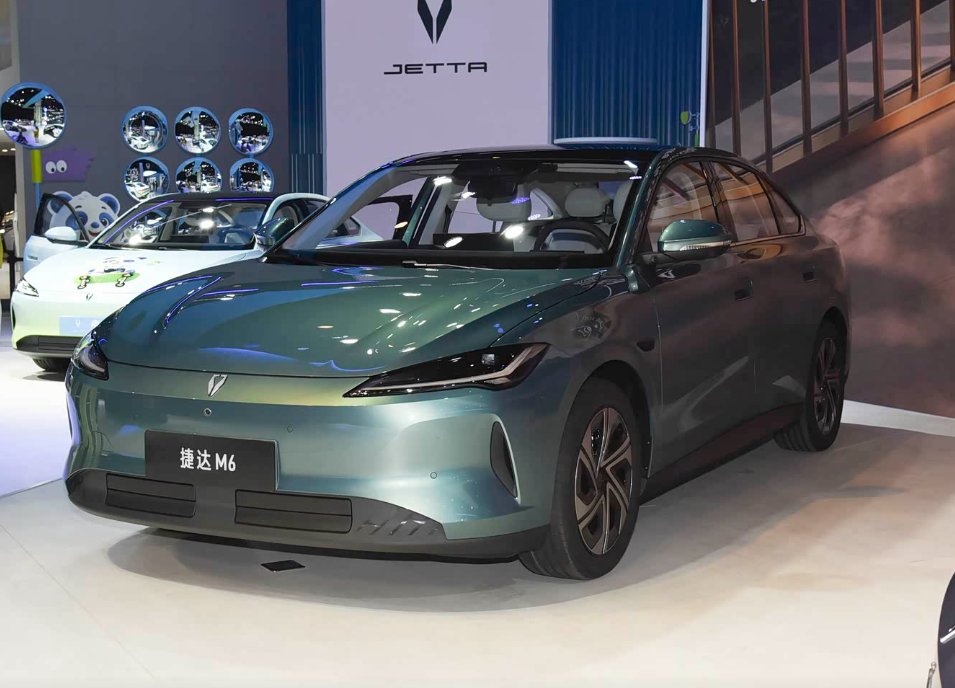
79,800 yuan, and you get a 4.8-meter-long midsize all-electric family sedan with urban NOA.
Fellow car enthusiasts, if this were two years ago, I'd just want to ask: which product manager in the industry would dare write this on a PPT? They'd be guaranteed to be dragged off to register at a clinic the next day, alright.
But you know what? Jetta M6 just smashed the price out like this.
3 trim levels, 79,800 to 99,800 yuan.
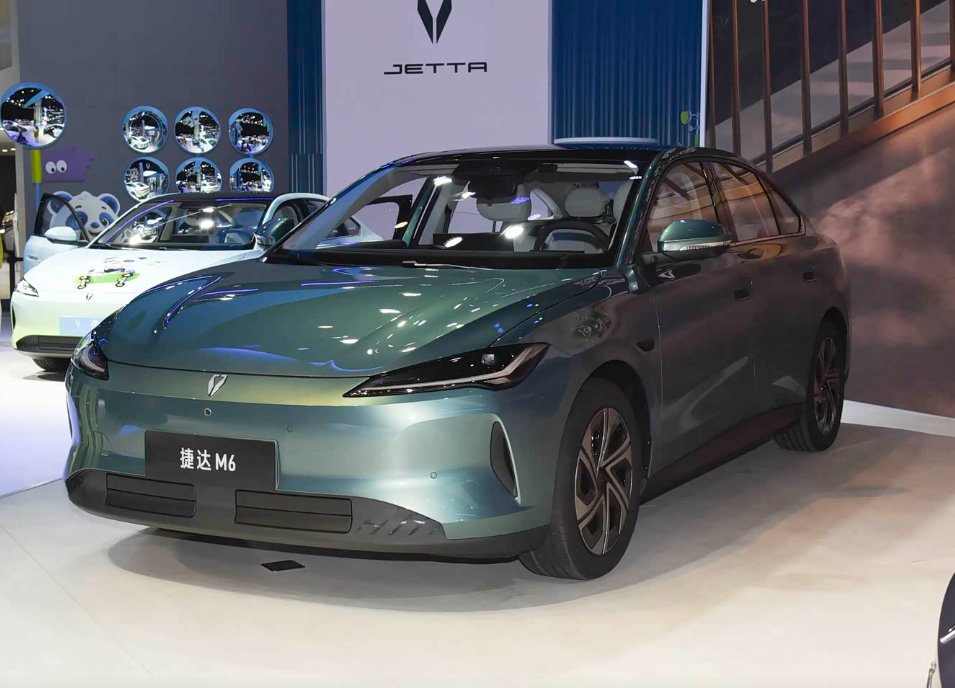
When I saw this price, I was thinking about one question: has Jetta really flipped the industry table this time, or is it using Volkswagen's backing to throw some eye medicine at the market?
Don't you guys disbelieve it—what kind of image did Jetta have in ordinary people's minds before?
Tough, durable, driving school instructor car, taxi veteran workhorse.
When you talk about Jetta with someone, everyone's brain is full of hard plastic center consoles and that naturally aspirated engine that just won't die.
But this time, once the Jetta M6 came out, it directly shattered the public's fixed perception.
No more nonsense, let's look at the hardware first.
4806mm body length, 2820mm wheelbase, 542L trunk volume, which can expand to 1800L with the seats folded down.
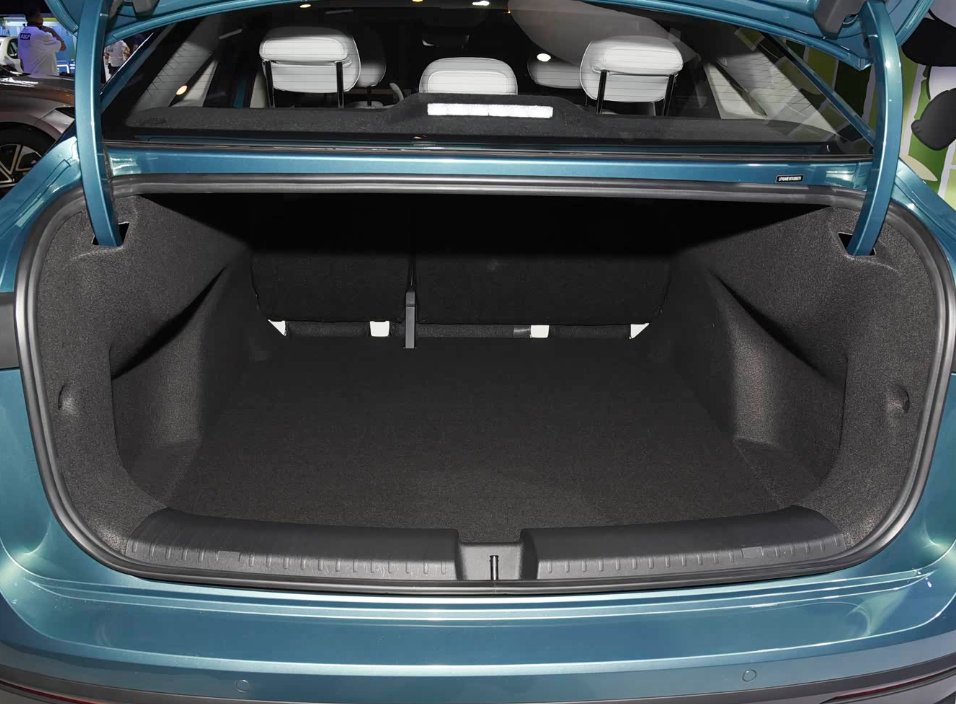
With this space and size laid out here, it's squarely crossing segments and heading for B-segment territory.
The exterior adopts a so-called "bamboo charm aesthetics," with bamboo-leaf headlights and bamboo-joint taillights, a drag coefficient of 0.208, and an external active grille shutter standard across the range.
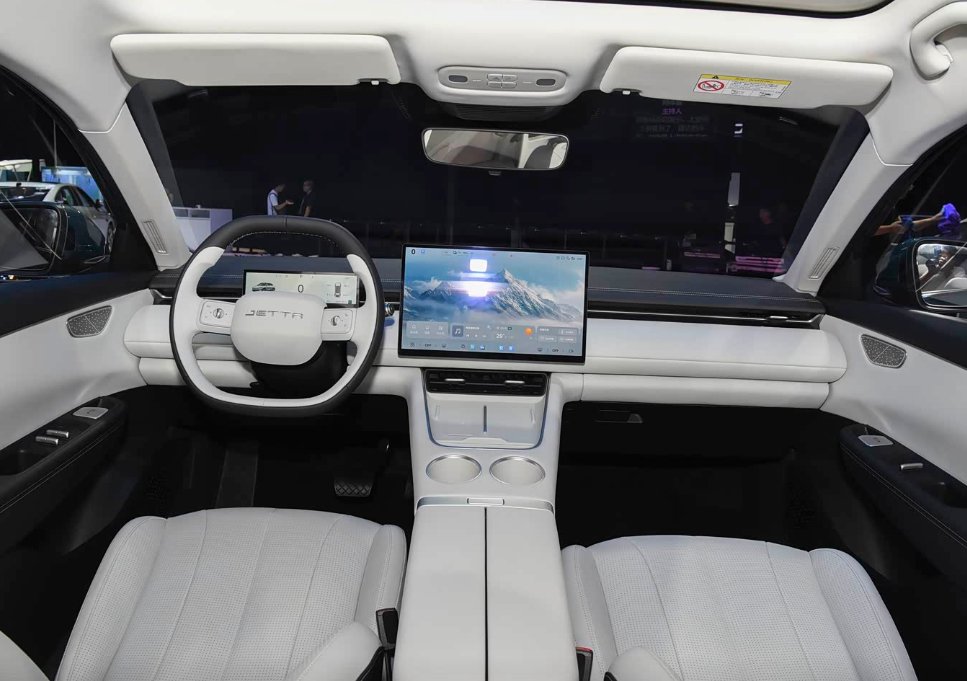
The interior is even more outrageous: front seats with heating, ventilation, memory, and even massage, a 15.6-inch 2.5K large screen, and the infotainment not only packs Doubao, DeepSeek, and Tongyi Qianwen large models but also doesn't miss CarPlay and HiCar.
However, the most explosive point of controversy is actually in the intelligent driving.
On a car under 100,000 yuan, they've put in a Horizon Journey 6M chip, Coolrey's one-stage end-to-end driving assistance, and it even carries Volkswagen's self-developed "GAIA 2.0 World Model," claiming it can run highway NOA, urban NOA, and even play cross-floor memory parking.
Now this is interesting, because the car community has been arguing like crazy these past two days.
The skeptics put it bluntly but not without reason: "For just over 70,000 yuan, you expect urban NOA to really weave through streets and alleys in old town areas? A single Journey 6M's computing power handling end-to-end, when it encounters e-bikes popping out from nowhere and rush-hour lane cutting, does it really dare not make you take over? Don't let it end up being just a high-trim-limited paper tiger."
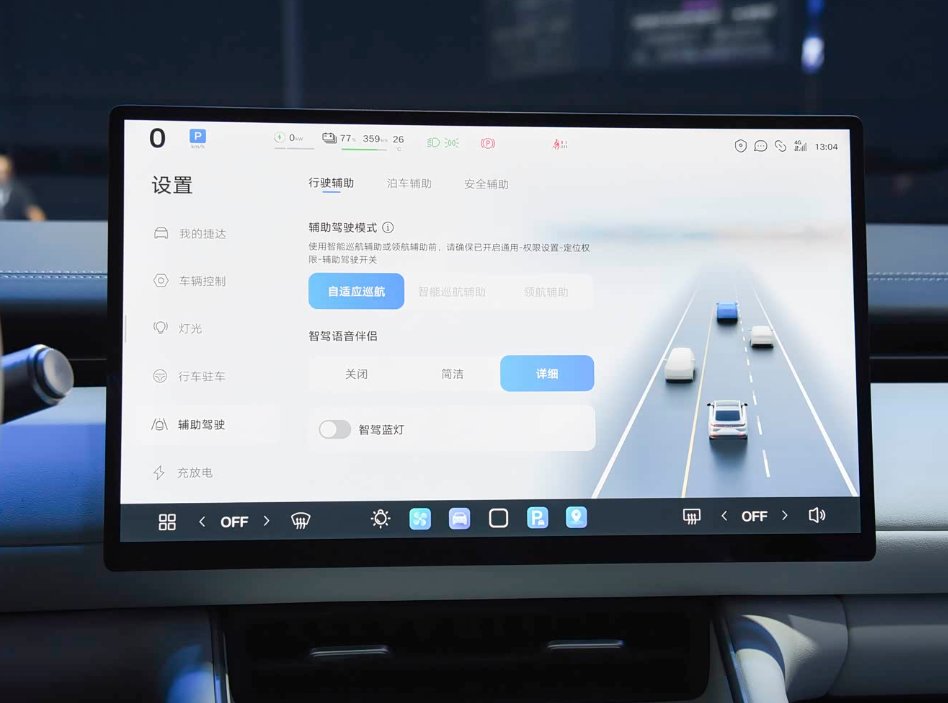
This sounds quite harsh, but it really hits the nail on the head.
But I actually think this matter should be viewed from a different angle.
Even if we set aside extreme scenarios like urban NOA, even if you only use it daily as advanced lane keeping and active safety features with AEB and AES (automatic emergency steering), it's still one of a kind at the same price point.
86% high-strength steel for the whole body, maximum strength of 2000MPa—even if the intelligent driving really breaks down, this German safety skeleton is still there underneath to catch you, and that's undeniable.
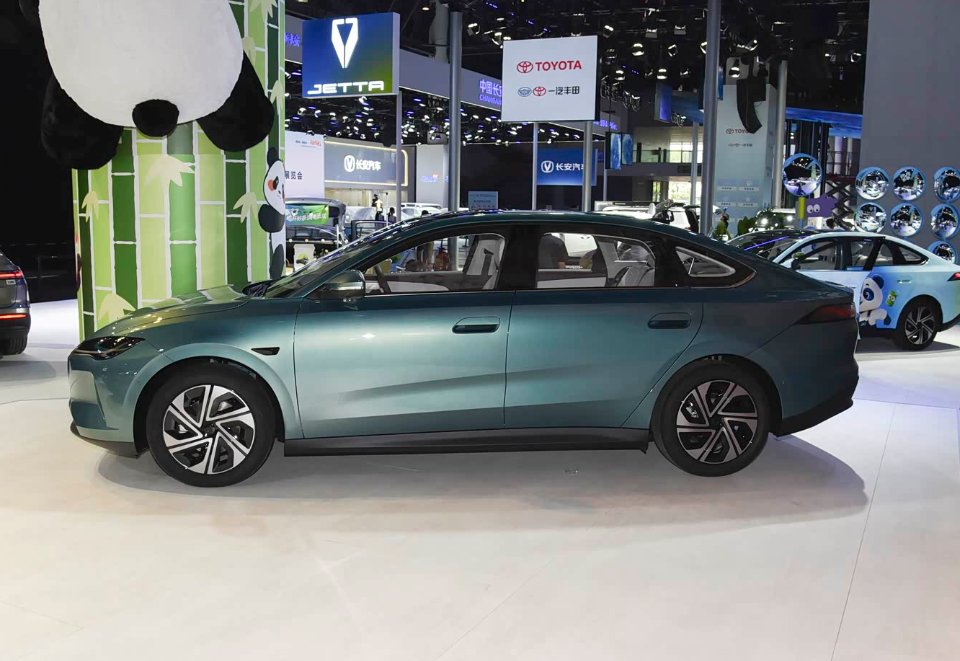
Now looking at the powertrain and electric system: front-mounted single motor, low and high power outputs of 113kW and 145kW, 0-100km/h in as fast as 6.8 seconds, CLTC range split between 465km and 555km, equipped with CALB lithium iron phosphate batteries, fast charging in 25 minutes.
Are there drawbacks?
Of course there are!
In my view, the biggest pain point of this car is that the powertrain and range ceiling are given quite conservatively.
A 555km CLTC range, halved in northern winters, and on long trips you'll likely have to duck into service areas frequently.
And the front-mounted single motor dooms it to be a dutiful grocery-getter family car—wanting rear-drive handling fun is pure wishful thinking.
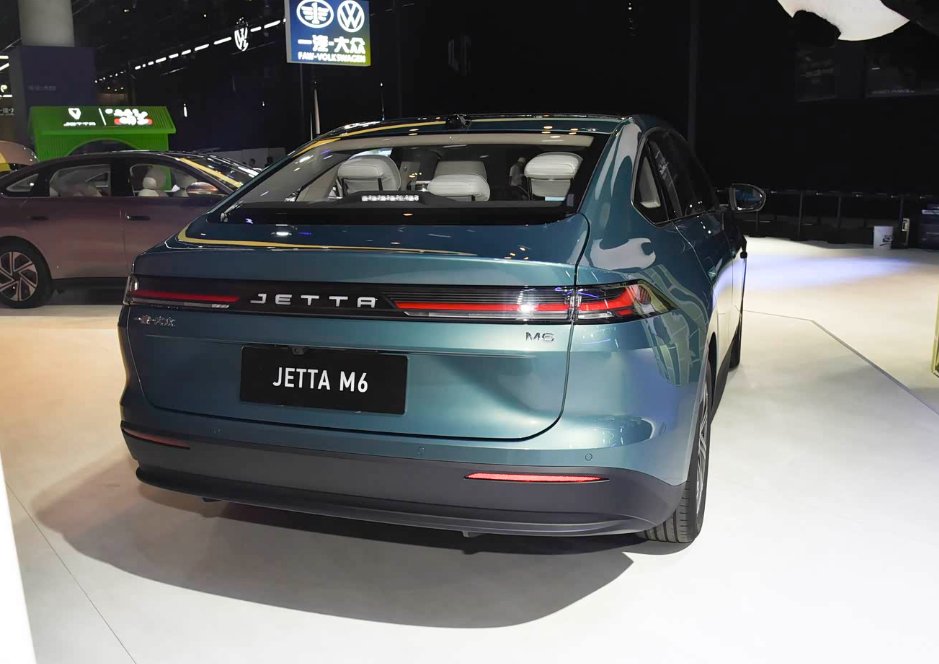
For direct competitors, look no further than all-electric family sedans also playing the value-for-money card, like the Arcfox Beta S3.
Arcfox's chassis has Magna's technical pedigree, but the Jetta M6 wins by maxing out intelligent software, plus Volkswagen's platform backing and a price firmly capped under 100,000—that's just too lethal.
Finally, let me say a few sincere words to the manufacturer and to fellow car buyers.
To car enthusiasts who want to buy this car, I suggest don't impulsively stretch your budget just to try out urban NOA. Do the math privately: if this end-to-end system is optional or cut on mid-to-low trims, buying a 555km long-range mid-trim version for daily commuting offers the best value for money.
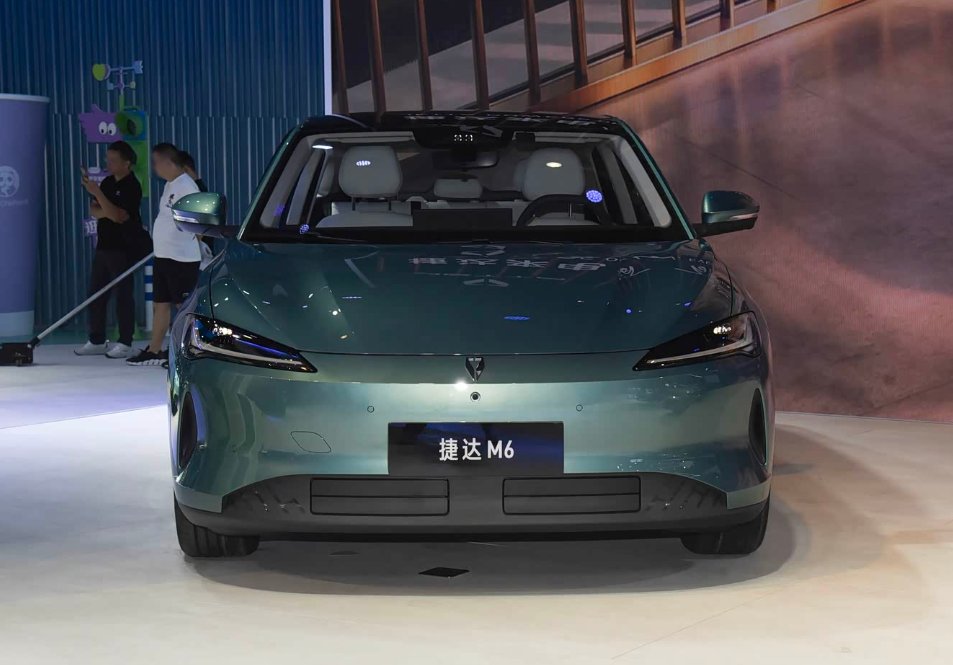
As for the manufacturer, I also want to say a thing or two: the hardware configuration of this car is spot on, but Jetta's biggest burden is precisely its own brand tone.
You've now got a car full of AI large models and a fastback design, but if the sales end and after-sales showroom still follow the old-school fuel-car playbook, young consumers might just back off the moment they walk in.
Don't let a perfectly good table-flipping all-rounder end up being dismissed as a "ride-hailing exclusive."