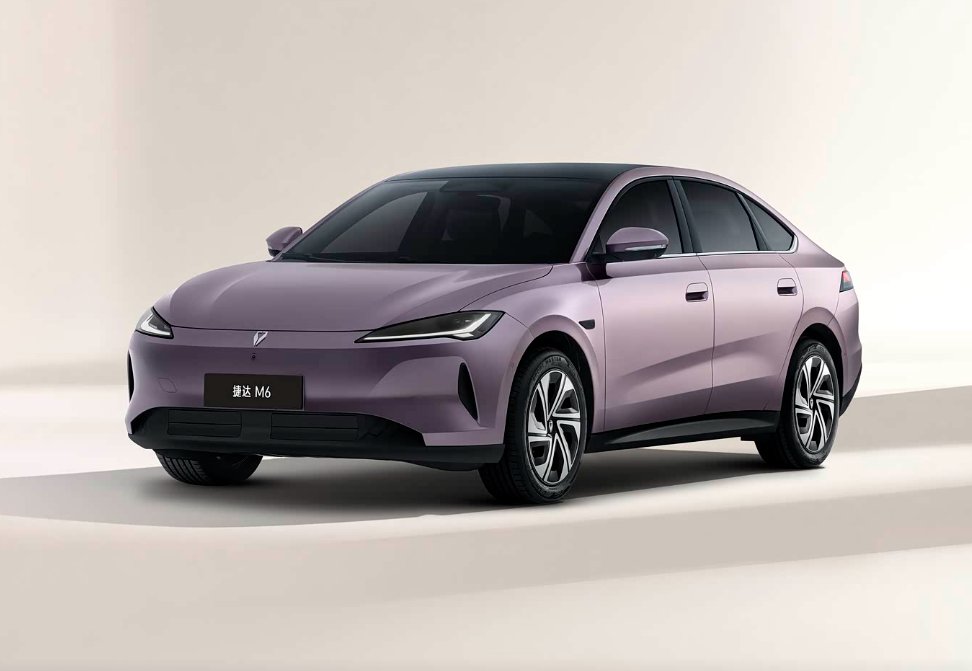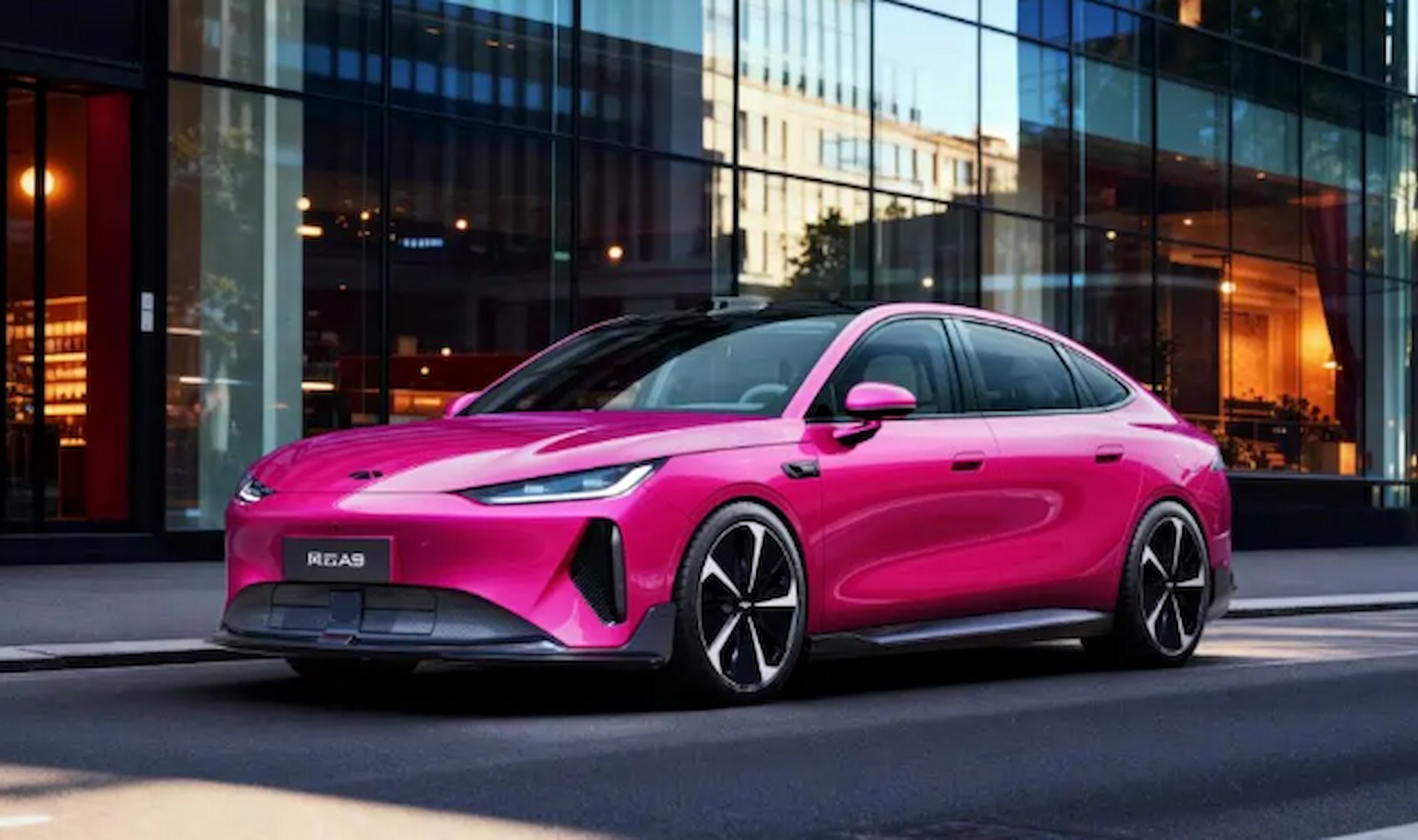
I was a bit tired just now and wanted to take a quick nap, but several car friends in the group were urging me nonstop, all asking whether the Chery Fengyun A9 extended-range version that just launched last night is actually worth going for.
Ugh, I can't take it anymore, so let's just talk about it.
Two models were launched, with guide prices from 119,900 to 129,900 yuan, and with a limited-time trade-in offer directly knocked down to 116,900 to 126,900 yuan.

Frankly speaking, when I saw this price, I belatedly realized that the product people at Chery have probably gone completely red-eyed.
Why do I say that? No rush, let's go through it one by one, and by the end you'll understand.
Length, width and height are 4890/1913/1489 mm, and the wheelbase is directly stretched to 2900 mm.
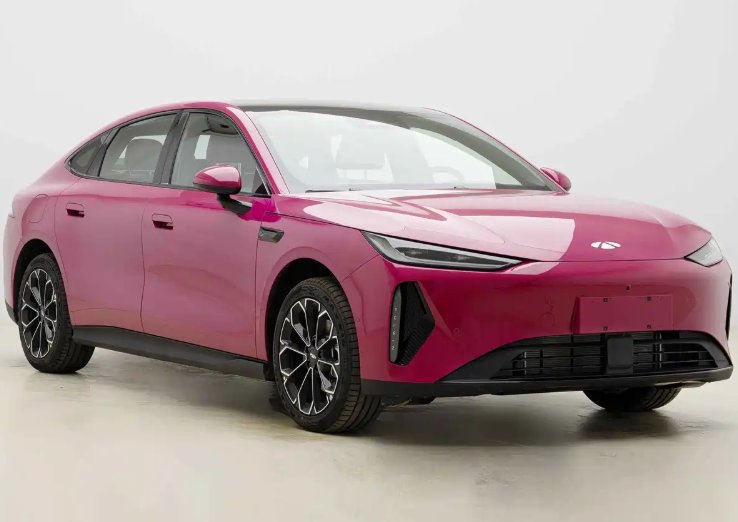
According to the rules of the fuel-car era, this is squarely the size class aimed at Magotan and Camry, yet Chery is now selling it at the price of an A-segment family sedan!
I figure if Chen Zhen were here, he'd have to say it ten times: can you handle this?
The most outrageous part isn't even the size, but its 129,900 yuan high trim.
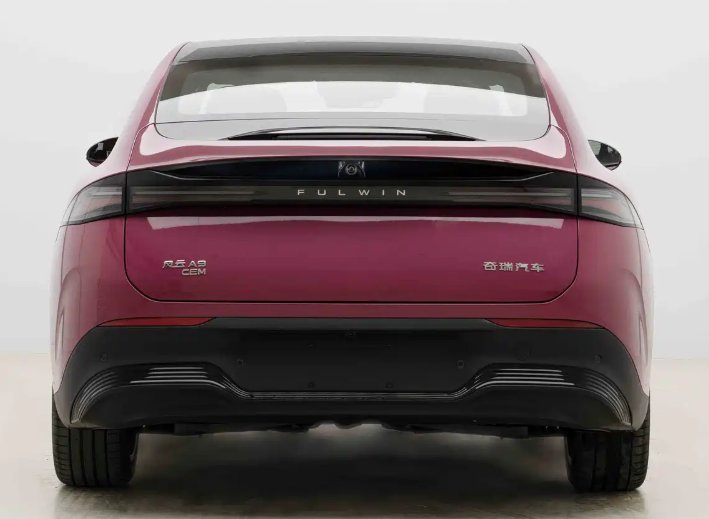
The roof actually has a lidar mounted on it, with 27 high-precision sensors across the whole vehicle, and the official lineup directly includes highway NOA, urban NOA, and full-scenario intelligent parking.
If you look at the same price range, whether it's the Deepal SL03 or BYD Qin L, Seal 06 DM-i, or even several popular pure electric models that just launched recently, which one is willing to stuff a set of urban navigation with lidar into the 120,000-plus deadline?
When people usually talk about advanced smart driving, they tend to think it's something you can only touch above 200,000 yuan. Chery's move basically kicks the threshold wide open.
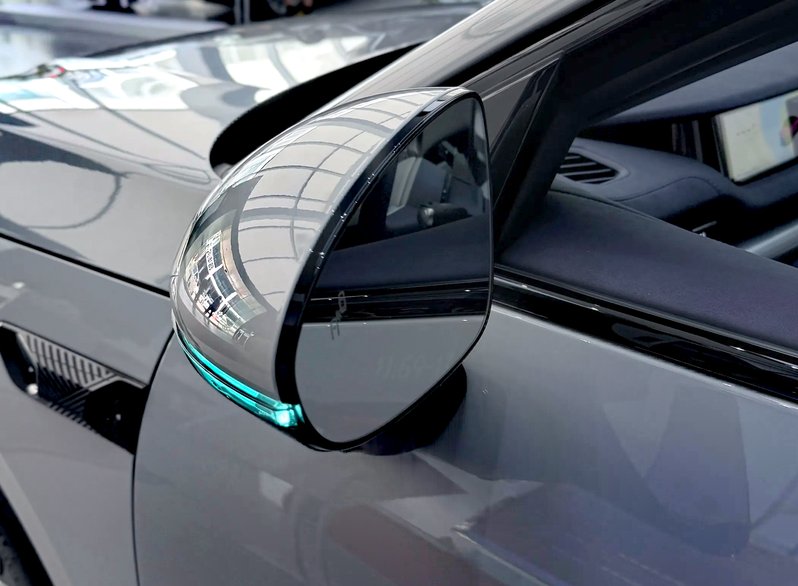
The interior isn't idle either.
A 15.6-inch 2.5K large screen, a 3nm-process chip installed in the infotainment system, plus 23-speaker Boya sound audio, with peak power reaching 1080W and 7.1.4.2 panoramic sound.
Sit in the car and turn the volume up, listen to some dynamic music, and if you didn't know better you'd think you'd walked into some luxury private room...
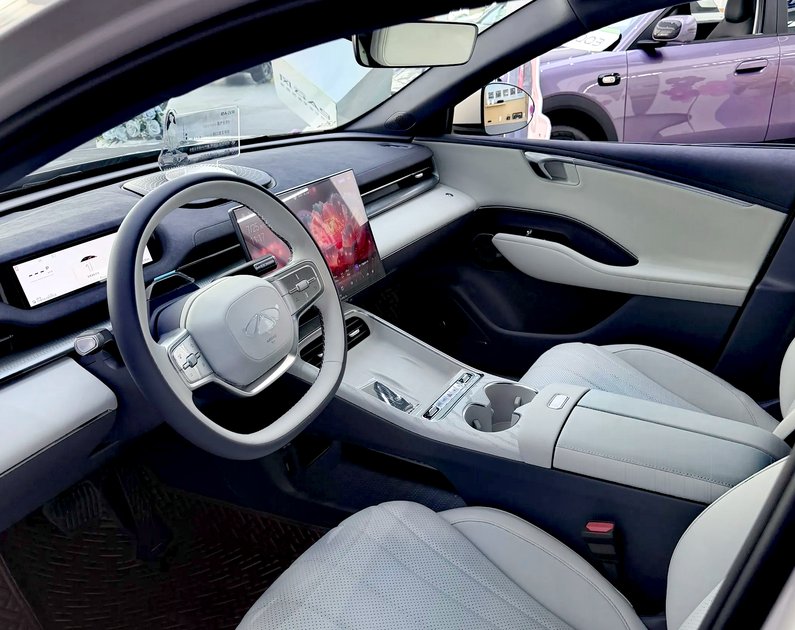
Although this car looks a bit like a "charity organization handing out warmth," there are actually quite a few controversial points.
The first to bear the brunt is that 1.5L naturally aspirated range extender.
With a maximum power of 82kW, it drives a single motor of 185kW.
Yesterday I saw a car friend complaining in the group: "For such a big coupe sedan nearly 4.9 meters long, once the battery is drained, when cruising and overtaking on the highway at 120 km/h, can this 82kW range extender hold up? Will it roar like a tractor while the speed just won't climb?"
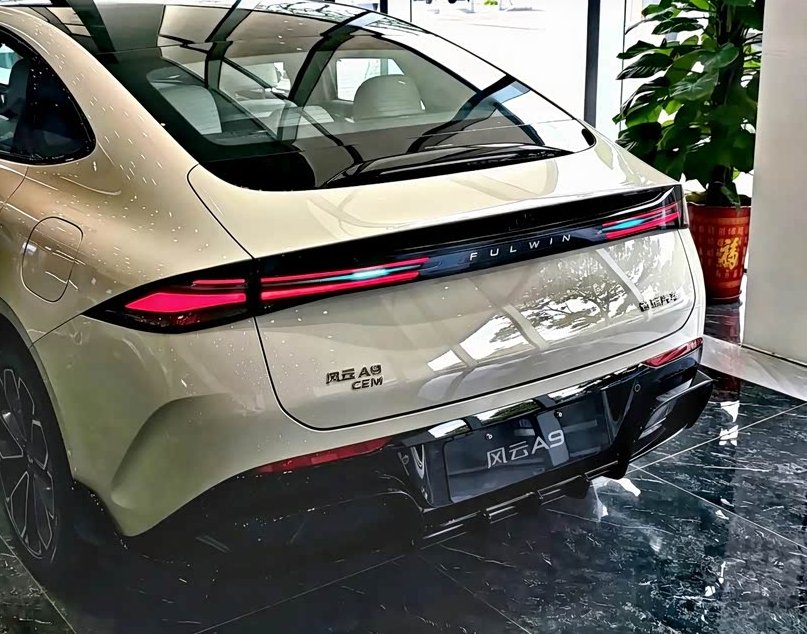
Let me put it this way: it comes standard with a 28.3 kWh Rhino battery, CLTC pure electric range of 230 kilometers, fast charging from 30% to 80% in 20 minutes, and it also carries a large 60L fuel tank.
For daily driving in the city, it's basically used as a pure electric car, and the fuel tank is most likely kept for emergencies.
But when it really comes to long-distance travel fully loaded in the dead of winter, can the power response and NVH control in a depleted state withstand the test?
I actually think we shouldn't jump to conclusions on this. It really has to wait until I get a test car and take it on a long-distance depleted-state real-world test before we know.
Another controversy is the real-world performance of Falcon Smart Driving.
Stacking hardware to the ceiling is one thing, software tuning is another.
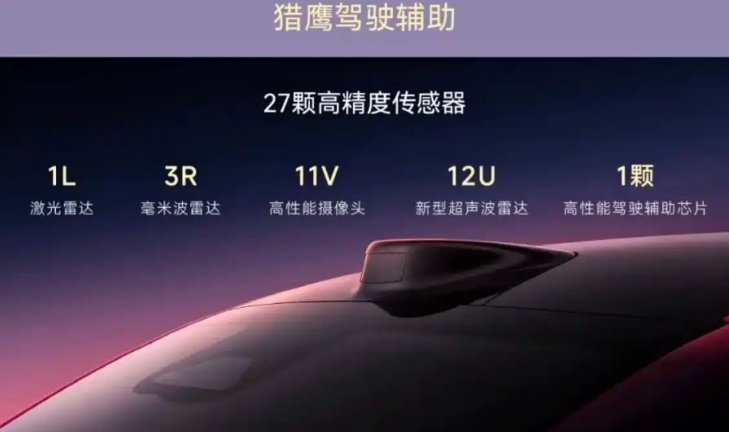
Adding lidar is easy, but can the end-to-end algorithm, in complex urban areas without high-precision maps, avoid weaving around and inexplicable hard braking when facing elderly scooters and delivery bikes cutting in?
Actually, this extremely tests the team's coding skills.
If the hardware is maxed out but updates are slow and there's no good usable version for half a year, that radar on the roof may really become the most expensive decoration.
As for how to choose this car, there's really no need to agonize too much.
The two cars differ by only 10,000 yuan!
If the budget allows, just go straight for the 129,900 yuan version with lidar. That 10,000 yuan price difference is already earned back just by buying a set of lidar hardware and a smart-driving chip.
If there's a charging pile at home and it's mainly for city commuting, the 230-kilometer pure electric range plus a 60L fuel tank means you save money by using it as an electric car day to day, and during holidays when going back to your hometown you won't have to queue up at service areas fighting for charging piles.
Chery's current problem isn't that its product strength isn't fierce enough, but that the engineering guys always like to stuff the hardware full first and then call it a day after the launch event.
If it really wants to sell explosively, get display cars into stores quickly, and don't drag things out with the infotainment interaction and smart-driving updates.
In the end, for just over 120,000 yuan you can buy a B+ segment extended-range sedan with lidar and 23 speakers. Competitors' days ahead are probably going to be really tough.